At least 34 dead after Europe-bound migrant boat sinks off Senegal
Source Entity
BBC News
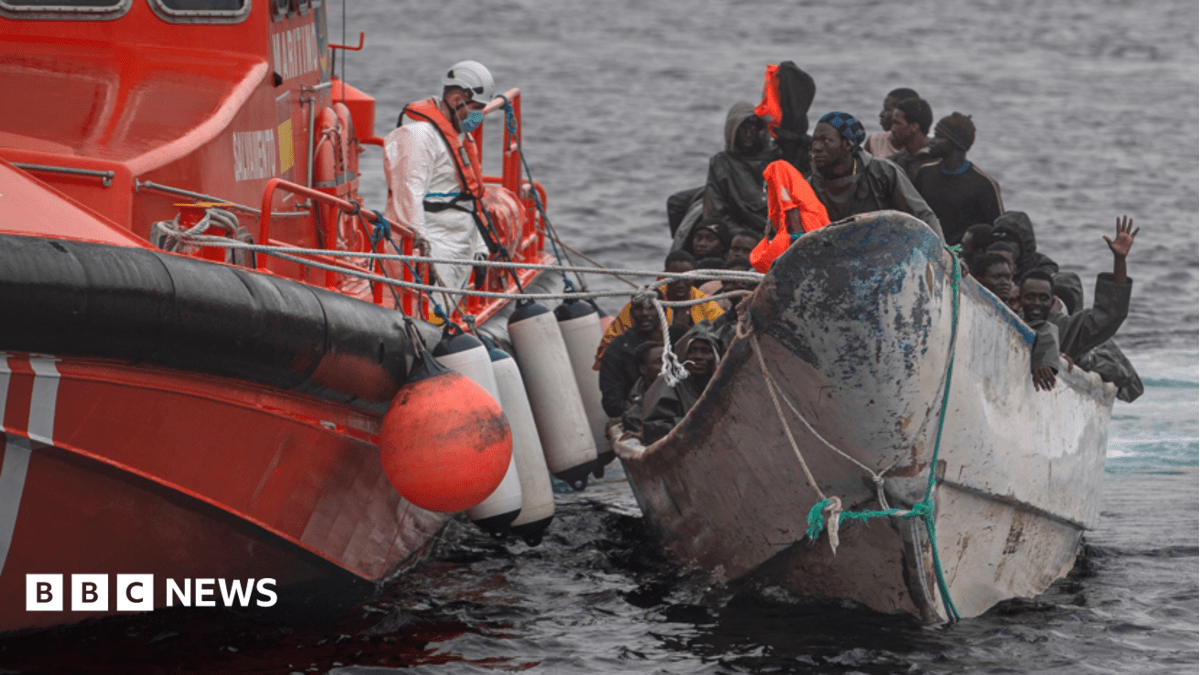
A migrant boat has tragically capsized off the coast of Senegal, resulting in at least 34 confirmed deaths. This incident highlights the extreme dangers of the Atlantic route to Spain's Canary Islands, which continues to see rising mortality rates.
Tragedy in the Atlantic: The Growing Crisis Off Senegal's Coast
The Incident
A devastating maritime tragedy has unfolded off the coast of Senegal, where a wooden boat carrying migrants bound for Spain's Canary Islands capsized, resulting in at least 34 confirmed deaths. According to the Senegalese Press Agency (APS), the vessel went down in the waters between the capital, Dakar, and the northern city of Saint-Louis. While authorities have confirmed one rescue, the total number of missing individuals remains unknown, casting a shadow of uncertainty over the final death toll.
The Perils of the Atlantic Route
The Atlantic route from West Africa to the Canary Islands is widely recognized as one of the most perilous migratory paths in the world. Despite the inherent dangers—including unpredictable ocean currents, inadequate vessel safety, and the long distance—migrants continue to risk their lives in search of economic opportunity and stability. This latest sinking underscores the lethal nature of these journeys, where small, often overloaded wooden craft are frequently overwhelmed by the harsh conditions of the open ocean.
Statistical Context of the Migration Crisis
The scale of this tragedy is not an isolated event but part of a broader, alarming trend. Data from the Spanish migrant rights group Walking Borders reveals that between January and May 2026, there were 635 recorded deaths on the Atlantic route to the Canary Islands. This figure represents the highest mortality rate among all migration corridors monitored by the organization, highlighting an escalating humanitarian crisis that shows few signs of abating.
The Human Cost and Identification
As rescue and recovery operations continue, the focus has shifted toward the identities of the victims. Saliou Diouf, the founder of the Senegalese migrant aid group Boza Fii, has stated that all recovered bodies identified thus far are of Senegalese nationality. The identities and nationalities of other passengers remain unconfirmed, complicating the notification process for families and local authorities struggling to manage the aftermath of the disaster.
Broader Implications and Future Outlook
This tragedy brings to the forefront the complex interplay between economic desperation and border security policies. As long as migration remains a primary survival strategy for those facing poverty or instability in West Africa, the demand for passage across the Atlantic will persist. Without enhanced international cooperation, safer legal pathways, and improved search-and-rescue capabilities along these coastal regions, experts fear that the frequency of such maritime disasters will continue to rise, resulting in further loss of human life.