Fireworks and celebrations as student-led movement wins in Serbia; can they deliver?
Source Entity
SUBHADRA SRIVASTAVA
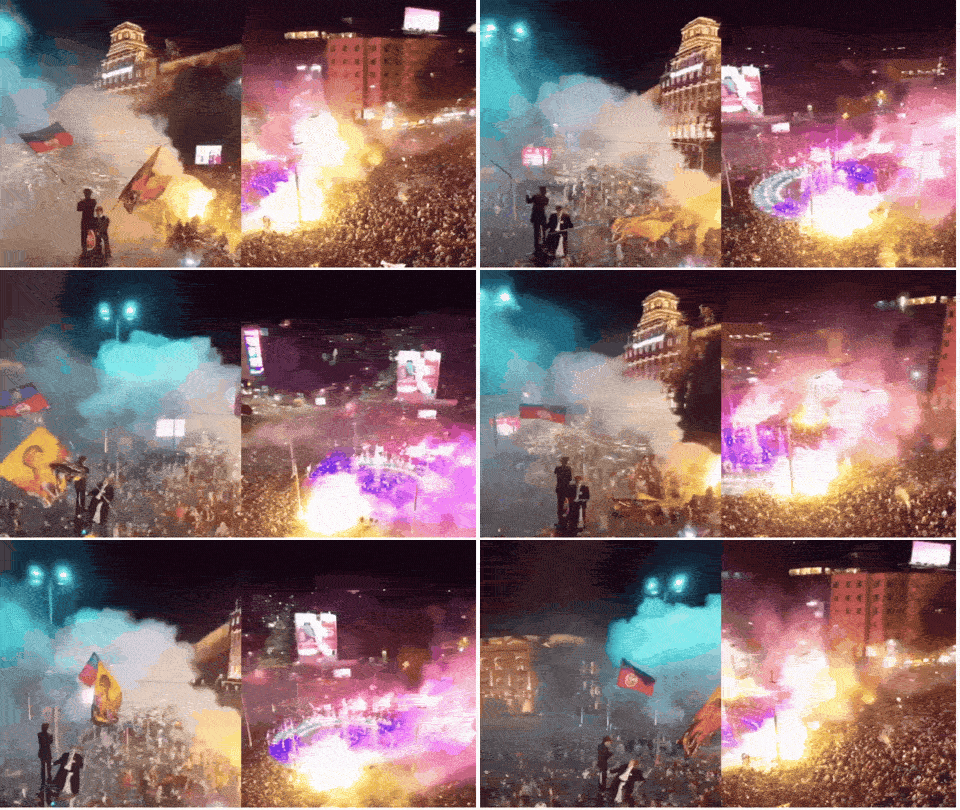
A historic student-led electoral victory in Serbia has ended the long-standing rule of President Aleksandar Vucic. The movement now faces the difficult challenge of transitioning from protest organizers to effective government administrators.
A Historic Shift in Serbian Politics
The political landscape of Serbia has undergone a seismic shift as a Gen Z-backed, student-led movement successfully dismantled the long-standing grip of President Aleksandar Vucic and his ruling party. The scenes of jubilation in Belgrade, characterized by fireworks, flag-draped vehicles, and the dismantling of pro-government barricades, represent a profound rejection of the status quo that has defined Serbian politics for years. This electoral outcome serves as a testament to the mobilizing power of younger generations who have leveraged grassroots activism to achieve a goal many deemed impossible.
The Challenge of Governance
While the electoral victory is undoubtedly historic, the transition from street-level agitation to the corridors of power presents a unique and daunting set of challenges. The movement is notably leaderless and lacks conventional political experience, raising immediate questions regarding their capacity to manage the complex machinery of the state. Governing requires more than the energy of protest; it demands the technical expertise to draft policy, navigate bureaucracy, and manage national institutions, all of which are untested areas for these new political actors.
Navigating Geopolitical Complexities
Beyond domestic administration, the new government must immediately grapple with Serbia's delicate position on the international stage. The nation remains caught in a complex web of diplomatic pressures involving Kosovo, the Russian Federation, and the European Union. Balancing these competing interests will be the primary test of the new administration’s legitimacy and diplomatic acumen. The movement’s success will likely depend on whether they can maintain the unity that fueled their campaign while adopting a pragmatic approach to these long-standing external conflicts.
Can They Deliver Reform?
The core question facing the nation is whether this movement can translate the mandate of the streets into tangible, lasting political change. Reform, by its nature, often invites resistance from entrenched interests, and the new government will need to develop a clear, coherent strategy to dismantle existing patronage networks without descending into the same exclusionary tactics they campaigned against. Their ability to deliver on promises of transparency and accountability will be the benchmark by which their tenure is judged.
Future Trends and Stability
Looking ahead, the stability of Serbia will hinge on the movement's ability to evolve. If they can successfully institutionalize their vision, they may set a new precedent for youth-driven political participation across the Balkans. However, should they fail to meet the high expectations of their supporters, the resulting disillusionment could lead to further instability. The path forward is treacherous, requiring a swift maturation of their leadership structures and an ability to govern for the entire nation, rather than just the coalition that brought them to power.