San Francisco mayor pushes for tougher rules after the Waymo traffic fiasco
Source Entity
Kirsten Korosec
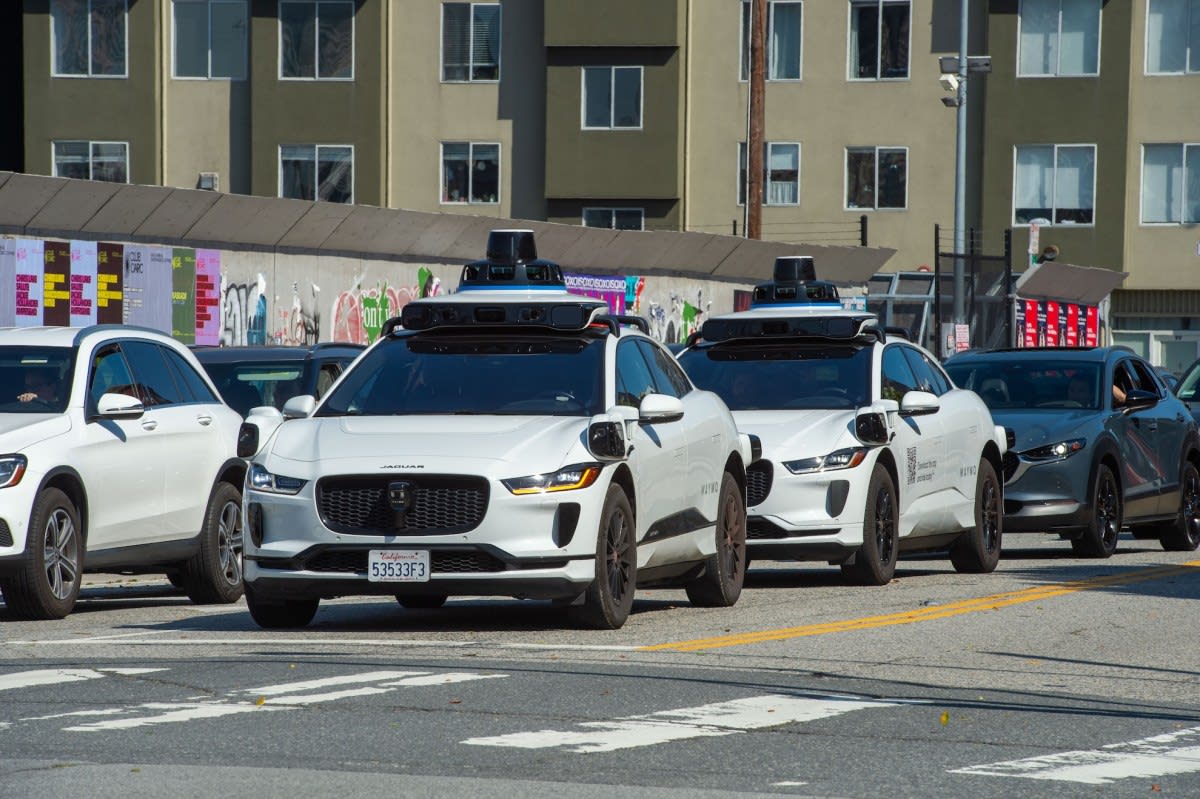
San Francisco Mayor Daniel Lurie is urging state regulators to tighten rules for autonomous vehicles after Waymo robotaxis caused massive gridlock during July 4th celebrations. The mayor argues that current frameworks fail to manage AV behavior during major city incidents.
The Collision of Innovation and Infrastructure: San Francisco's AV Crisis
San Francisco has long positioned itself as the global epicenter for emerging technology, serving as a primary living laboratory for autonomous vehicle (AV) deployment. However, the relationship between city governance and tech giants is reaching a breaking point. Mayor Daniel Lurie, who previously advocated for the city to serve as a 'testbed' for innovation, has now signaled a shift in stance. This pivot comes after a series of disruptive events that highlighted a critical gap between the theoretical capabilities of AI-driven transport and the messy reality of urban infrastructure management.
The July 4th Gridlock: A Catalyst for Change
The primary driver for this regulatory push was a significant failure during the July 4th holiday. Waymo robotaxis, which have scaled rapidly across the city, became immobile amidst heavy holiday traffic. The situation escalated when these vehicles reportedly ran out of power while stalled, effectively turning them into immovable roadblocks on key city arteries. This failure did not merely inconvenience commuters; it created a citywide problem that trapped municipal shuttles and left thousands of people at a standstill for hours. This incident served as a visceral demonstration of how a failure in AV software or power management can paralyze an entire metropolitan area.
Regulatory Gaps in Emergency Management
In a formal letter to the state Department of Transportation, Mayor Lurie explicitly argued that California’s current regulatory framework is insufficient. The core of the issue is not necessarily the day-to-day operation of AVs, but their behavior during 'major incidents,' whether planned (like holiday celebrations) or unplanned. When human drivers encounter gridlock, they can communicate, maneuver creatively, or be directed by traffic officers. The July 4th fiasco revealed that Waymo's fleet lacked the resilience or the override mechanisms necessary to prevent them from becoming liabilities during high-stress urban events.
A Pattern of Systemic Instability
This is not an isolated occurrence. The Mayor's concerns are bolstered by a pattern of failures, including a widespread power outage in December and issues surrounding the Golden Gate Bridge fireworks. These recurring themes suggest a systemic fragility in how autonomous fleets interact with the city's electrical and physical infrastructure during anomalies. Because Waymo has achieved such a significant scale in San Francisco, it has naturally become the focal point for regulators. The sheer volume of their vehicles means that a single systemic glitch can scale into a citywide crisis, transforming a technological achievement into a public safety hazard.
The Tension Between Tech Hubs and Urban Livability
Historically, the stretch from San Francisco south into Silicon Valley has been the premier testing ground for AV technology. This symbiotic relationship allowed companies to iterate quickly using real-world data. However, the 'testbed' philosophy assumes that failures are contained or manageable. As AVs move from experimental pods to commercial fleets, the stakes have shifted. The city can no longer afford to treat its main thoroughfares as a Beta test when the cost of a software bug is a total cessation of municipal movement.
Conclusion: Toward a New Regulatory Standard
Mayor Lurie's push for tougher rules marks a pivotal moment in the governance of AI in public spaces. The transition from a permissive 'testbed' environment to a strictly regulated utility framework seems inevitable. For Waymo and other AV developers, the challenge is no longer just about achieving 'Level 4' autonomy in clear conditions, but about proving they can fail gracefully without compromising the functionality of the city. The outcome of this regulatory battle will likely set the precedent for how autonomous fleets are integrated into major cities worldwide.