Focus Needs To Be On Prevention, Not Punishment: Shashi Tharoor On Paper Leaks
Source Entity
NDTV News Search Records Found 1000
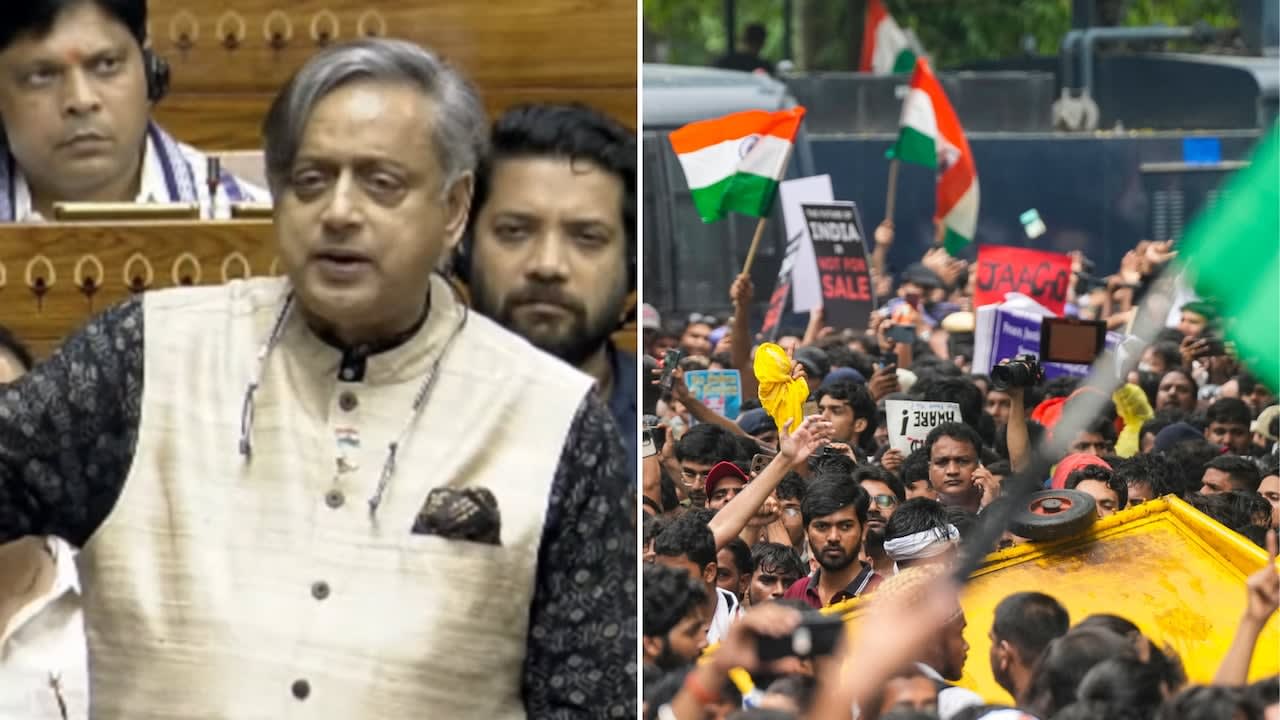
Shashi Tharoor advocates for a shift in focus from punishing paper leak perpetrators to prioritizing systemic prevention. He emphasizes that punitive measures are insufficient given the irreparable harm already inflicted on lakhs of students.
Rethinking Examination Integrity: The Tharoor Perspective
Congress leader Shashi Tharoor has recently sparked a critical discourse regarding the recurring crisis of examination paper leaks in India. By asserting that the focus must shift from punishment to prevention, Tharoor highlights a profound disconnect between current government responses—which prioritize the apprehension and prosecution of offenders—and the immediate, tangible needs of the student body.
The Failure of Retributive Justice
Tharoor’s primary argument hinges on the temporal reality of administrative failure. When a paper leak occurs, the damage to the student population is instantaneous and widespread. By the time legal mechanisms identify, charge, and eventually punish the perpetrators, the academic year, career aspirations, and mental well-being of lakhs of students have already been compromised. In this context, punishment serves as a post-facto remedy that fails to mitigate the original trauma or restore the lost time of the affected candidates.
Systemic Vulnerabilities and Prevention
To move toward a preventative model, the focus must shift toward the structural integrity of the examination process itself. Tharoor’s stance implies that the current system is reactive rather than proactive. Preventing leaks requires a multi-layered approach, including the digitization of secure delivery systems, rigorous vetting of third-party logistics, and the implementation of robust cybersecurity protocols. Without these safeguards, the cycle of leaks remains an inherent risk rather than an anomaly.
The Socio-Economic Cost of Leaks
Beyond the logistical failures, the societal cost is immense. For many students in India, competitive examinations are the primary vehicle for social mobility. When these processes are compromised, it erodes public trust in meritocracy. Tharoor’s commentary serves as a reminder that the administrative burden of a leak does not fall on the systems that allowed it, but on the youth who rely on these exams to secure their futures.
Future Trends in Examination Security
Looking forward, the debate sparked by Tharoor suggests a need for legislative and technological reform. If India is to maintain the credibility of its national testing infrastructure, policy must evolve to emphasize 'pre-emptive security'—a strategy that assumes vulnerability and builds systems to neutralize threats before they materialize. This requires not just stricter laws, but a fundamental redesign of how sensitive examination data is handled, stored, and distributed.
Conclusion
In summary, Shashi Tharoor’s critique is a call for a paradigm shift. While accountability for criminals remains necessary, it is insufficient as a standalone policy. By prioritizing prevention, the state can protect the sanctity of the examination process, ensuring that the dreams of millions are not derailed by systemic negligence.
Verification Required?