'Merely political posturing': Bangladesh says Hasina has no intention of returning
Source Entity
ROHITASHWA RANJAN
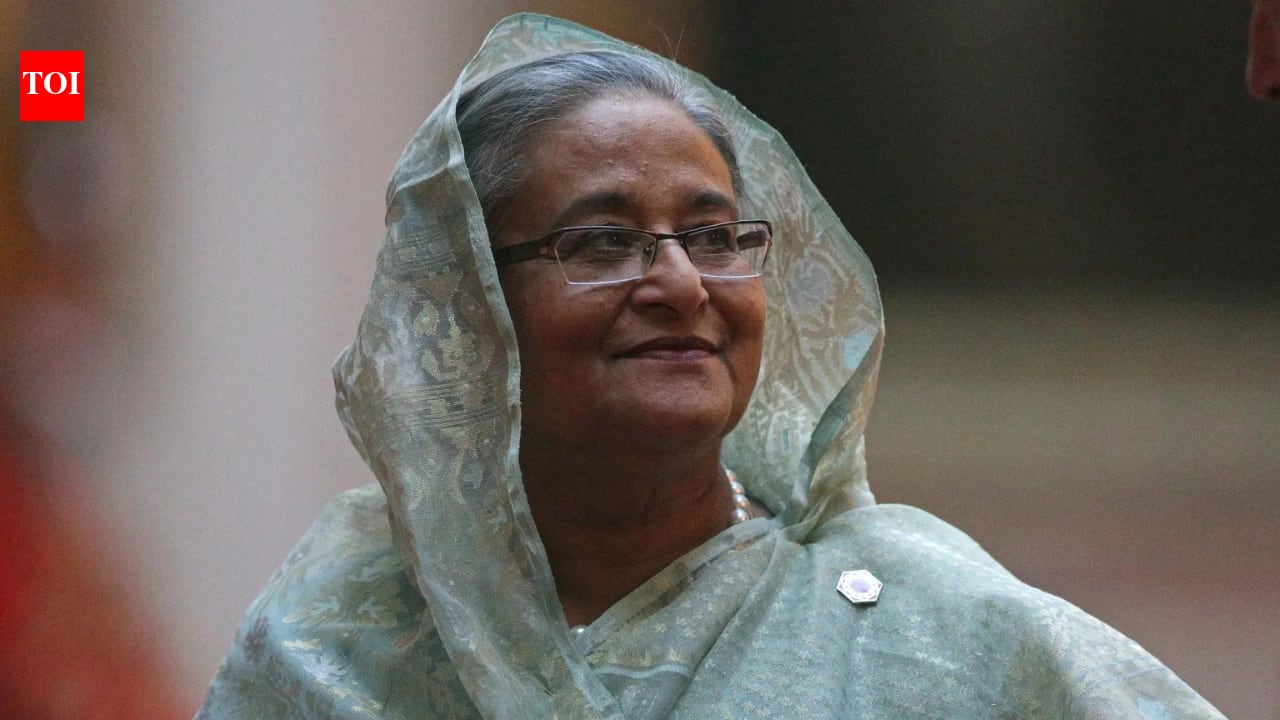
Former Bangladeshi Prime Minister Sheikh Hasina has requested a new passport to facilitate her return from two years of exile in India. The current Bangladeshi government views her return plans as political posturing, while legal and political tensions escalate regarding her potential homecoming.
The Return of Sheikh Hasina: A Geopolitical and Legal Quagmire
More than two years after a violent student-led uprising forced former Bangladeshi Prime Minister Sheikh Hasina to flee the country, a significant shift in the political landscape has emerged. Hasina, currently residing in India, has formally requested a new passport and identity card, signaling her first concrete attempt to return to Bangladesh. This development follows her extended period of self-imposed exile, which began on August 5, 2024, after her long-standing administration collapsed under intense public pressure.
The Legal and Political Stakes of Repatriation
Hasina’s stated intention to return by December and surrender to the court system introduces a volatile variable into Bangladesh’s current administration. The move is framed by her aides as a "struggle to bring back democracy, rule of law, and voting rights." However, the current government in Dhaka perceives these actions through a skeptical lens, dismissing the rhetoric as "merely political posturing." Because her political party currently faces a ban within the country, her potential arrival threatens to trigger significant legal and social unrest.
The Role of India and Diplomatic Tensions
For the past two years, India has served as the host for the former leader, a situation that has complicated diplomatic relations between New Delhi and the post-uprising government in Dhaka. The Bangladeshi government has actively sought her extradition, creating a complex tug-of-war. By requesting new identification documents, Hasina is effectively challenging the current administration to either facilitate her return—thereby subjecting her to the local judicial process—or deny her rights as a citizen, which could further fuel international debate regarding the legitimacy of the current governing body.
Historical Context and the 2024 Uprising
The 2024 uprising that ended Hasina’s tenure was characterized by significant loss of life and a total breakdown of order. Her return, should it materialize, would force the nation to confront the trauma of that period. Legal experts suggest that if she does return to face court, the proceedings would be unprecedented, serving as a litmus test for the independence of the Bangladeshi judiciary and the stability of the current political order.
Future Trends and Potential Fallout
As December approaches, the situation remains highly fluid. The refusal of the current Bangladeshi government to acknowledge the necessity of her new documentation suggests they are preparing for a long legal battle rather than a political reconciliation. The international community will likely watch closely to see if this move results in a peaceful surrender or a deeper escalation of the political divide that has defined post-Hasina Bangladesh.
Conclusion
Ultimately, Sheikh Hasina’s request for travel documents is a pivotal moment that bridges her past rule and her uncertain future. Whether this represents a genuine attempt at legal accountability or a calculated strategy to destabilize the current regime, the fallout will undoubtedly shape the trajectory of Bangladeshi politics for years to come. The coming months will determine if the nation can manage this transition without reverting to the volatility seen during the summer of 2024.
Multiple Citing Sources