In Arunachal’s Siang, a dam divides a community: ‘We will lose land, history’
Source Entity
Premankur Biswas, Shinjini Ghosh
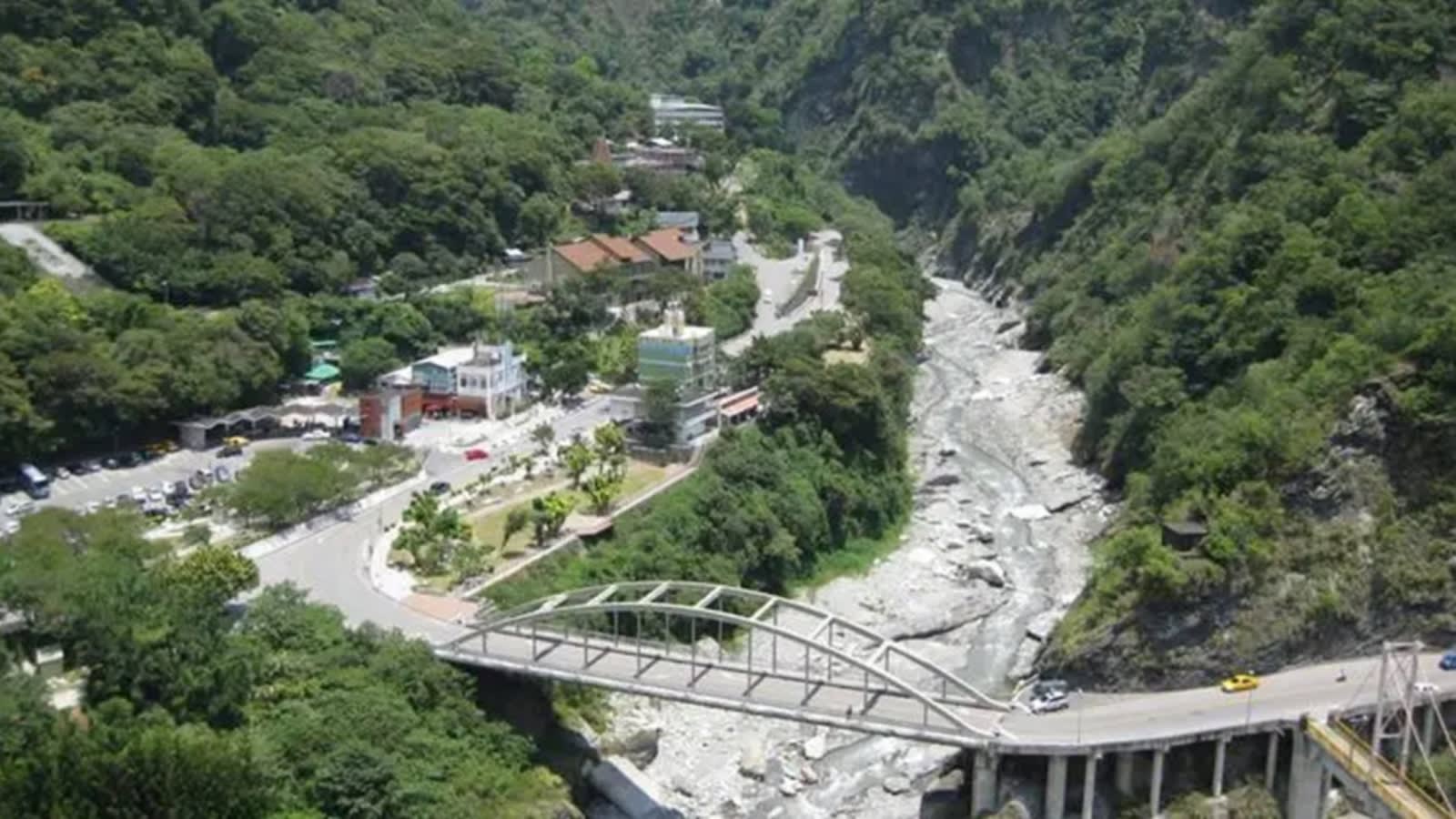
The proposed 11,200-MW Siang Upper Multipurpose Project in Arunachal Pradesh faces fierce opposition from local residents like Okam Tayom. Villagers fear the dam will submerge ancestral lands and destroy their historical heritage.
The Siang Dam Crisis: A Clash of Progress and Preservation
In the remote reaches of Arunachal Pradesh’s Siang valley, a profound conflict is unfolding between the ambitions of national infrastructure development and the survival of indigenous communities. At the heart of this tension is the proposed 11,200-MW Siang Upper Multipurpose Project (SUMP), a massive hydroelectric endeavor that has become a flashpoint for local resistance. For residents like Okam Tayom of Geku village, the project is not merely a matter of policy; it is an existential threat to their land, history, and way of life.
A Legacy of Resilience
Okam Tayom represents a generation that has witnessed the volatile history of the North-East Frontier Agency firsthand. His memory of the 1962 Sino-Indian War, where villagers utilized traditional weapons like bows, arrows, and daos to defend their territory, underscores a deep, ancestral connection to the land. This historical context is vital to understanding the current opposition; the people of Siang have long viewed themselves as the guardians of this sensitive border region, and they perceive the potential loss of their homes as a betrayal of that historical sacrifice.
The Environmental and Cultural Cost
The proposed SUMP project threatens to submerge not only farmland but the very fabric of Geku village culture. The traditional chang ghar—stilt houses constructed from forest materials—are emblematic of a lifestyle perfectly adapted to the local ecology. The displacement of these communities would effectively sever their connection to ancestral burial grounds and sacred sites, leading to a permanent loss of intangible cultural heritage that cannot be compensated through monetary relief alone.
Navigating Development and Displacement
The pursuit of an 11,200-MW capacity project highlights the Indian government's push to secure energy independence and bolster infrastructure in border areas. However, this macro-level objective often overlooks the micro-level realities of those residing in the project's shadow. The tension in Siang reflects a recurring theme in modern development: the struggle to balance the state's strategic and industrial requirements with the fundamental rights of local communities to maintain their traditional livelihoods.
Future Implications and Conclusion
As the debate over the Siang Upper Multipurpose Project intensifies, it serves as a litmus test for how the state handles community-led resistance in ecologically sensitive regions. If the project proceeds without robust community consensus, it risks long-term social instability and the erosion of trust between the government and the border-dwelling populations. The future of the Siang valley hinges on whether policymakers can find a middle ground that respects the historical stewardship of residents like Okam Tayom while addressing national energy goals.