Why Sikkim's First Yak Festival Was Held In A Village Near China Border
Source Entity
NDTV News Search Records Found 1000
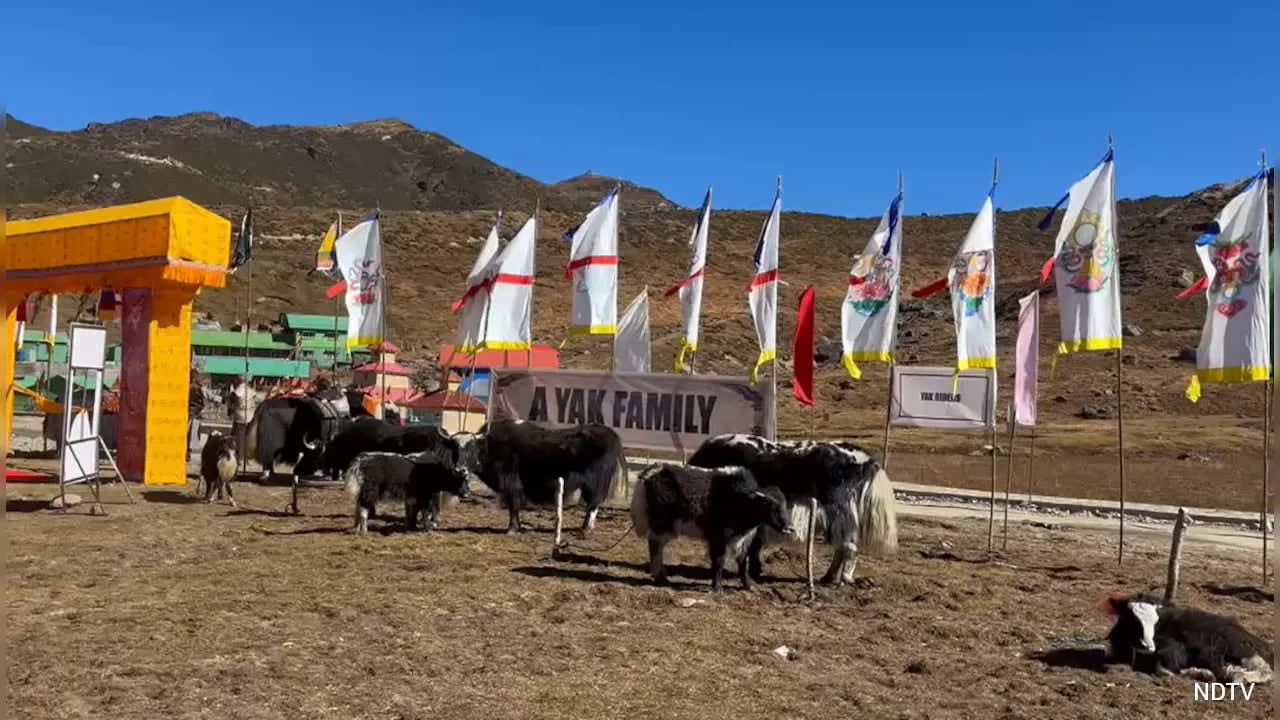
Sikkim recently hosted its first-ever Yak Festival in a village near the China border to celebrate the region's unique cultural heritage. The event highlights the vital role of yak herding, a traditional occupation passed down through five generations of local families.
Celebrating Heritage at the Roof of the World
Sikkim recently made headlines by hosting its inaugural Yak Festival in a remote village situated near the China border. This landmark event serves as more than just a cultural celebration; it is a profound acknowledgment of the high-altitude pastoral lifestyle that has sustained the Himalayan communities for centuries. By bringing attention to this specific region, the festival underscores the intersection of geography, tradition, and the resilience of those living in one of the world's most challenging environments.
The Legacy of the Yak Herder
Central to the narrative of this festival is the individual yak herder, whose occupation is often a family legacy spanning five generations. This multi-generational commitment is a testament to the deep-seated cultural knowledge required to navigate the harsh, rugged terrain of the Himalayas. These families are not merely livestock keepers; they are custodians of a unique ecosystem, preserving traditional methods of animal husbandry that have remained largely unchanged for over a century.
Geographical and Strategic Significance
Hosting this festival in a village near the Chinese border carries significant weight. The border regions of Sikkim are characterized by their extreme isolation and strategic sensitivity. By promoting local heritage in these areas, the festival helps to integrate these remote communities into the broader national cultural discourse, reinforcing the identity of the people who act as the silent guardians of the borderlands.
Economic and Cultural Preservation
Events like the Yak Festival are essential for the socio-economic development of high-altitude villages. By spotlighting the yak—an animal that provides milk, fiber, and transportation in the mountains—the festival provides a platform for local artisans and producers to showcase their goods. This economic boost is vital for ensuring that younger generations see a viable future in traditional occupations, rather than migrating to urban centers in search of employment.
Future Trends in Himalayan Tourism
Looking ahead, the success of Sikkim’s Yak Festival suggests a growing trend toward 'niche heritage tourism.' As global travelers increasingly seek authentic, off-the-beaten-path experiences, regions like Sikkim are well-positioned to capitalize on their unique cultural assets. If managed sustainably, this model of tourism can provide the necessary revenue to maintain traditional lifestyles while simultaneously protecting the delicate ecological balance of the high Himalayas.
Conclusion
The inaugural Yak Festival in Sikkim stands as a powerful symbol of cultural preservation. By honoring the five-generation legacy of local herders and situating the event in a frontier village, Sikkim has successfully highlighted the importance of indigenous traditions in the modern era. As the region continues to develop, the challenge will be to balance this newfound visibility with the preservation of the quiet, disciplined lifestyle that has allowed these families to thrive for so long.
Verification Required?