Sikkim tunnel landslide: Seven dead, several feared trapped as rescue operation continues
Source Entity
TOI NEWS DESK
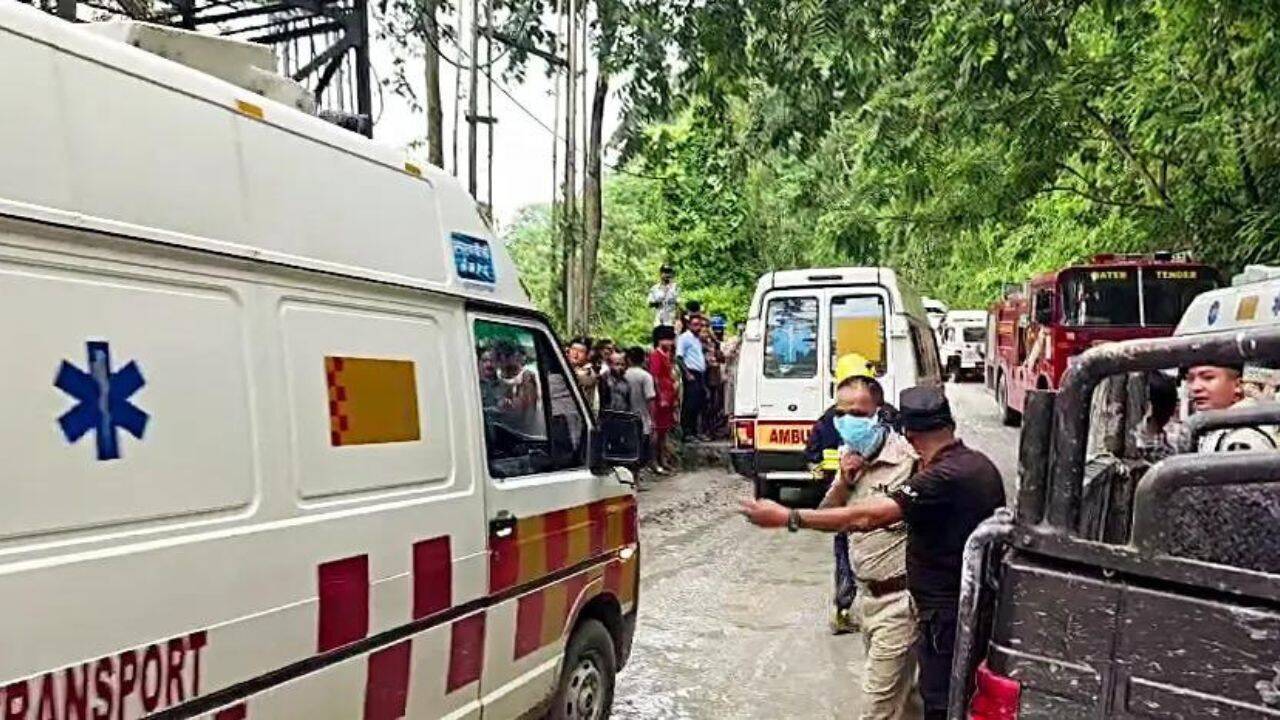
A landslide at the Samardung tunnel in Sikkim's Namchi district has left several workers trapped and resulted in at least seven confirmed fatalities. Rescue operations are currently underway, complicated by a suspected gas leak and unstable geological conditions at the NHPC Teesta Stage VI project site.
Tragedy in Namchi: Tunnel Collapse and Rescue Crisis
A devastating incident occurred on Monday afternoon in the Namchi district of Sikkim, where a landslide struck the under-construction Samardung tunnel. The site, which is part of the National Hydroelectric Power Corporation’s (NHPC) Teesta Stage VI hydroelectric power project, became the scene of a major emergency when debris blocked the tunnel entrance, trapping workers inside. While initial reports varied, officials have confirmed that at least seven individuals have tragically lost their lives, with rescue teams working urgently to reach others still feared trapped.
The Complicating Factor: Suspected Gas Leaks
The rescue operation is significantly hindered by a suspected gas leak triggered by the landslide. Authorities believe the gas, which is potentially toxic or suffocating, is emanating from underground strata or rock formations that were destabilized during the collapse. This secondary hazard has forced responders from the National Disaster Response Force (NDRF), State Disaster Response Force (SDRF), and local fire services to utilize specialized equipment, including gas masks, to attempt entry. The presence of these hazardous fumes has already rendered multiple initial rescue attempts unsuccessful.
Challenges of High-Altitude Infrastructure
This incident highlights the inherent risks associated with large-scale infrastructure projects in the Himalayan region. The Teesta Stage VI project, like many hydroelectric ventures in Sikkim, involves complex tunneling through volatile geological terrain. Landslides are a frequent threat in this region, particularly during times of weather-related instability. The collapse at Samardung underscores the critical need for advanced structural reinforcement and real-time monitoring of seismic and geological shifts in tunnel construction zones.
Current Status and Emergency Response
The situation remains fluid as local authorities, including the district collector, continue to coordinate efforts. While 16 workers were fortunate enough to escape the tunnel shortly after the initial slide, the status of the remaining personnel remains a primary concern for the administration. Ambulances and fire tenders remain on standby at the site, providing a lifeline for any survivors recovered from the debris. The confirmation of seven fatalities has cast a somber tone over the ongoing mission, as the window for a successful rescue narrows with each passing hour.
Broader Implications and Future Oversight
The tragedy at the Samardung tunnel will likely prompt a rigorous investigation into safety protocols at NHPC construction sites. As India continues to push for hydroelectric expansion in the Northeast to meet energy demands, the balance between rapid development and the safety of the workforce remains a contentious and vital issue. Future trends in regional infrastructure will undoubtedly require stricter adherence to geological surveying and the implementation of more robust emergency ventilation and evacuation systems to prevent such a catastrophe from recurring.
Multiple Citing Sources