What makes Skyroot’s Vikram-1 launch unique? | Explained
Source Entity
India Latest News: Top National Headlines Today & Breaking News | The Hindu
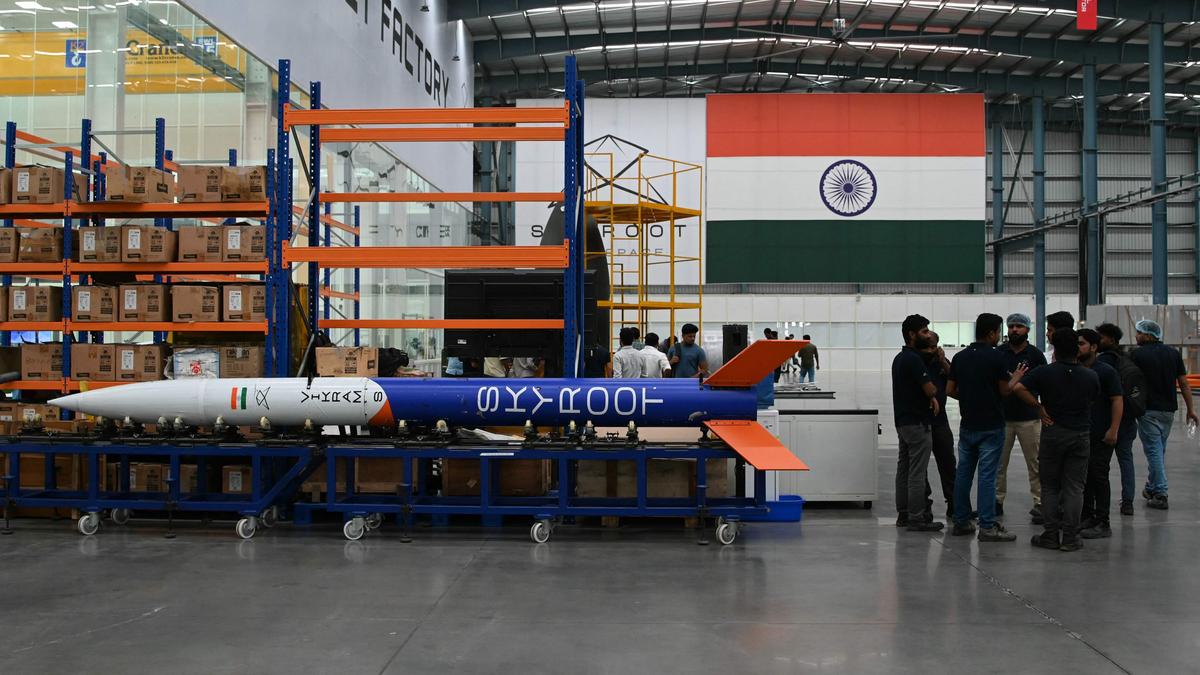
Skyroot Aerospace successfully launched Vikram-1, India's first privately developed orbital rocket, on July 18, 2026. This milestone makes India only the third country globally to achieve orbital launch capability through a private entity.
India Enters a New Space Age: The Success of Mission Aagaman
On July 18, 2026, India achieved a watershed moment in its aerospace history with the successful maiden orbital launch of the Vikram-1 rocket. Developed by Skyroot Aerospace and dubbed 'Mission Aagaman' (meaning arrival), the mission successfully placed multiple technology demonstration payloads and postcards—including a symbolic message from Prime Minister Narendra Modi—into low earth orbit. This achievement represents the culmination of years of private sector ambition and technical rigor, signaling a shift in how India accesses the cosmos.
A Technical Leap in Launch Capabilities
The Vikram-1 is not merely a milestone in ownership but a significant technical achievement. Designed as a four-stage rocket, the vehicle is optimized for rapid launch services, catering to a growing demand for agile and efficient satellite deployments. The launch, which took place from the Satish Dhawan Space Centre in Sriharikota, demonstrated the precision of private Indian engineering. Despite a brief "planned hold" minutes before takeoff—a common but tense occurrence in rocket science—the vehicle lifted off successfully at 12:05 p.m., confirming the reliability of Skyroot's systems.
Breaking the Global Monopoly
By successfully placing payloads into orbit, India has entered an elite global circle. The success of Vikram-1 makes India only the third country in the world to possess private orbital launch capabilities. Historically, orbital launches were the exclusive domain of superpower governments or a handful of massive corporations in a few developed nations. By breaking this barrier, India has demonstrated that its private space ecosystem is capable of competing at the highest international levels, reducing reliance on state-led agencies for all orbital missions.
The Role of Youth and Political Vision
Prime Minister Narendra Modi has been vocal in his support of this venture, hailing the event as a "historic new frontier" for the nation. His emphasis on the "talent of youth" underscores a strategic national pivot toward empowering young entrepreneurs and engineers to lead high-tech industries. The inclusion of postcards from the Prime Minister aboard the rocket served as a powerful symbolic gesture, aligning government vision with private innovation and framing the success of Skyroot as a victory for the broader Indian youth demographic.
Broader Implications for the Space Economy
The success of Mission Aagaman is expected to catalyze a surge in India's private space sector. The ability to provide rapid launch services through a privately developed vehicle lowers the barrier to entry for startups and research institutions wanting to deploy small satellites. This creates a virtuous cycle: increased launch frequency leads to lower costs, which in turn attracts more investment in satellite technology, data analytics, and space-based communications, effectively diversifying India's economic portfolio into the high-value space economy.
Conclusion: A Turning Point for Aerospace
In summary, the successful deployment of Vikram-1 is more than just a technical victory; it is a strategic repositioning of India on the global stage. By transitioning from a state-centric space model to one that integrates private orbital capabilities, India has ensured its competitiveness in the 21st-century space race. As Skyroot Aerospace paves the way, the success of Mission Aagaman stands as a testament to India's growing technological maturity and its ambition to lead in the frontier of orbital exploration.
Multiple Citing Sources
Verification Required?