Skyroot makes history! 6 payloads put into low-Earth orbit aboard pvt rocket Vikram-1
Source Entity
U TEJONMAYAM
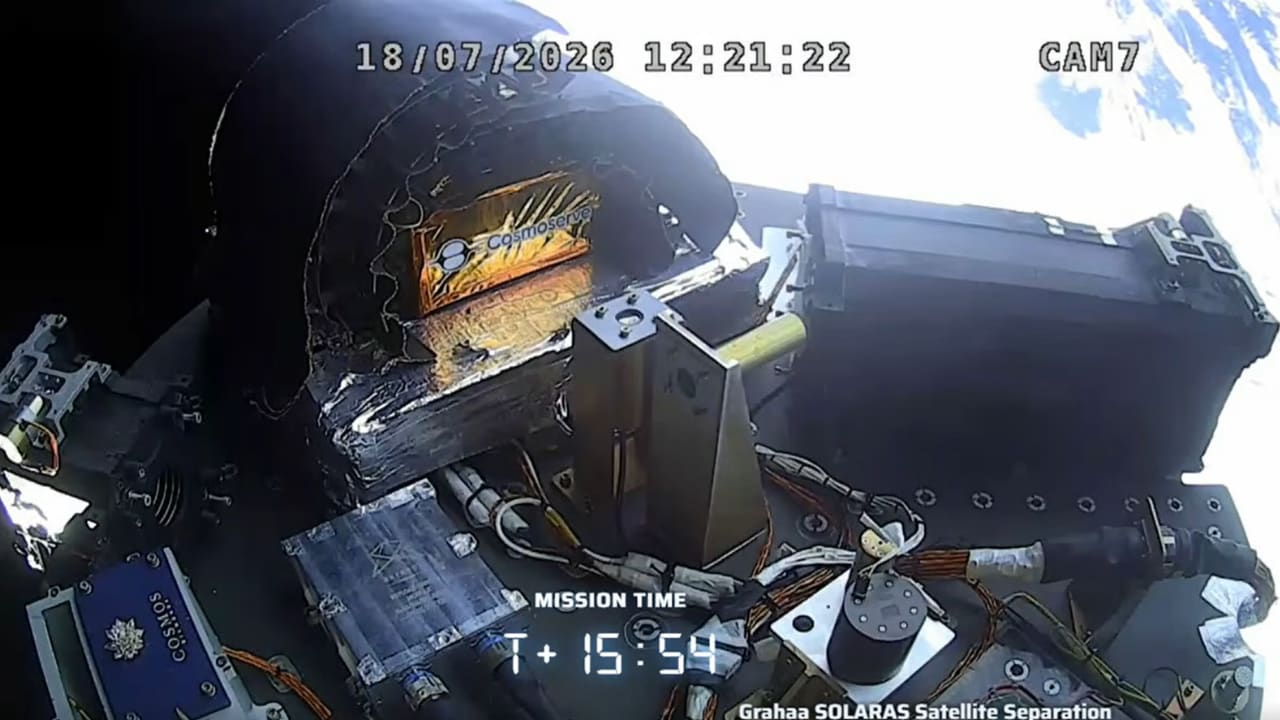
India has reached a historic milestone as Skyroot Aerospace successfully completed the maiden orbital launch of its Vikram-1 rocket. This achievement makes India the third nation globally to demonstrate private orbital launch capabilities.
A New Era for Indian Space Exploration
India has officially entered a transformative era in space exploration with the successful launch of Vikram-1, the nation’s first privately developed orbital rocket. Operated by Skyroot Aerospace, the mission, aptly dubbed 'Mission Aagaman' (Arrival), signifies a monumental shift from state-led space endeavors to a vibrant, commercially driven ecosystem. By placing technology demonstration payloads and symbolic postcards into low earth orbit, the mission has validated the design and efficiency of the four-stage Vikram-1 rocket.
The Significance of Private Orbital Capability
This achievement places India in an elite global cohort, becoming only the third country in the world to successfully reach orbit through a privately developed launch vehicle. Historically, space launch capabilities were the exclusive domain of government agencies. The success of Vikram-1 demonstrates that the commercial sector can now provide rapid, reliable, and cost-effective launch services, which is essential for the burgeoning global satellite market.
Overcoming Operational Hurdles
The path to this success was not without its challenges. The mission experienced a 'planned hold' mere minutes before the initial takeoff, a standard but nerve-wracking procedure in aerospace engineering designed to ensure maximum safety and mission integrity. The subsequent successful lift-off from the Satish Dhawan Space Centre in Sriharikota at 12:05 p.m. highlights the technical maturity and resilience of the Skyroot team in managing complex launch operations under pressure.
Government Support and the 'Talent of Youth'
Prime Minister Narendra Modi has been a vocal supporter of this transition, hailing the event as a 'historic new frontier.' His participation—by sending postcards into orbit—serves as a symbolic endorsement of the 'talent of youth' driving India's private space sector. This high-level political backing is crucial, as it signals a stable regulatory environment and continued encouragement for startups to innovate within the aerospace domain.
Broader Implications for the Global Space Economy
The Vikram-1 launch is not merely a domestic success but a significant development for the global space economy. As the demand for small satellite launches grows, the ability to deploy rapid, modular, and cost-efficient rocket systems like Vikram-1 provides India with a competitive edge. This mission sets a precedent for future private missions, likely attracting further investment, talent, and international partnerships into the Indian space technology sector.
Future Trends and Conclusion
Looking ahead, the success of 'Mission Aagaman' serves as a blueprint for the commercialization of space in India. We can expect to see an increase in private sector participation, potentially leading to more frequent launches and a more robust supply chain for aerospace components. As Skyroot Aerospace and other emerging players continue to refine their launch vehicles, India is well-positioned to become a primary hub for global satellite deployment and space-based innovation.
Multiple Citing Sources