People are using AI to make their smart TVs dumb again
Source Entity
Sarah Perez
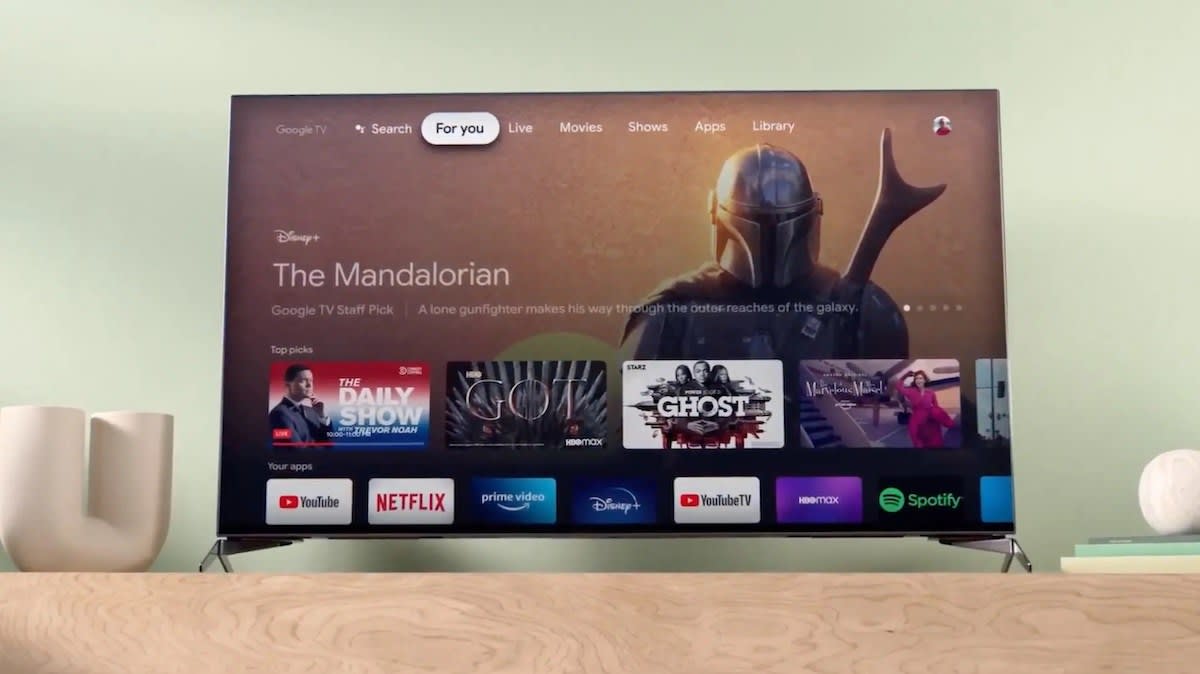
Smart TV owners are utilizing AI-driven tools like 'dumbtv' and 'cleanyourtv' to remove intrusive ads, tracking, and bloatware. This trend reflects a growing consumer movement to reclaim device control and privacy from manufacturers.
The Rise of the 'Dumb' TV Movement
In an era where consumer electronics are increasingly designed to monetize user attention long after the point of sale, a new counter-movement is gaining momentum. Users are now leveraging AI agents and specialized scripts to effectively 'dumb down' their smart TVs, stripping away the complex, ad-supported interfaces that have become standard. This pushback is a direct response to the integration of aggressive tracking, intrusive sponsored content, and sluggish operating systems that prioritize manufacturer revenue over user experience.
The Mechanics of 'Vibe-Coding'
Developers and so-called 'vibe coders' are at the forefront of this digital reclamation project. By utilizing tools such as 'dumbtv' and 'cleanyourtv,' users are bypassing proprietary software limitations on Android and Google TV platforms. These solutions operate by modifying the device's launcher, disabling background telemetry, and streamlining the home screen. The goal is to return the television to its fundamental purpose: a display device that handles HDMI inputs and user-selected applications without the interference of unsolicited software updates or data-harvesting algorithms.
Reclaiming Digital Autonomy
The mission statement of the 'dumbtv' project—asserting that a television should only do what the owner paid for—resonates with a growing demographic of tech-savvy consumers who feel alienated by modern 'smart' features. These devices, once purchased, often act as portals for third-party advertising networks, effectively turning the living room into an extension of the manufacturer's ad-tech ecosystem. By stripping away this 'bloatware,' users are not merely improving performance; they are reasserting ownership over hardware that has increasingly felt like a leased service.
Historical Context and Hardware Hacking
While hacking consumer electronics to bypass manufacturer restrictions is not a new concept, the application of AI to simplify this process marks a significant shift. Historically, modifying device firmware required deep technical expertise and carried significant risks of 'bricking' the hardware. Today, the accessibility of AI-assisted coding allows for more user-friendly interventions, enabling a wider audience to participate in the decoupling of their hardware from the manufacturer's restrictive software ecosystem.
Broader Implications and Future Trends
As manufacturers continue to bake advertisements and tracking into the fabric of smart home devices, the demand for 'de-bloated' interfaces will likely increase. This trend suggests a future where 'dumb' devices—or at least devices that allow for granular control over their 'smart' features—may become a sought-after market segment. If hardware manufacturers do not pivot to prioritize user privacy and performance, they may face a permanent rift between their business models and the expectations of their customer base.
Conclusion
The emergence of tools like 'cleanyourtv' highlights a fundamental tension in the modern smart home: the conflict between the manufacturer's desire for recurring revenue and the consumer's desire for a frictionless, private viewing experience. As long as smart TVs remain cluttered with bloatware, the movement to 'dumb them down' will continue to thrive, serving as a powerful reminder that utility and simplicity often outweigh the perceived benefits of integrated, ad-supported smart features.