Does opting out of TV tracking work?
Source Entity
John Higgins
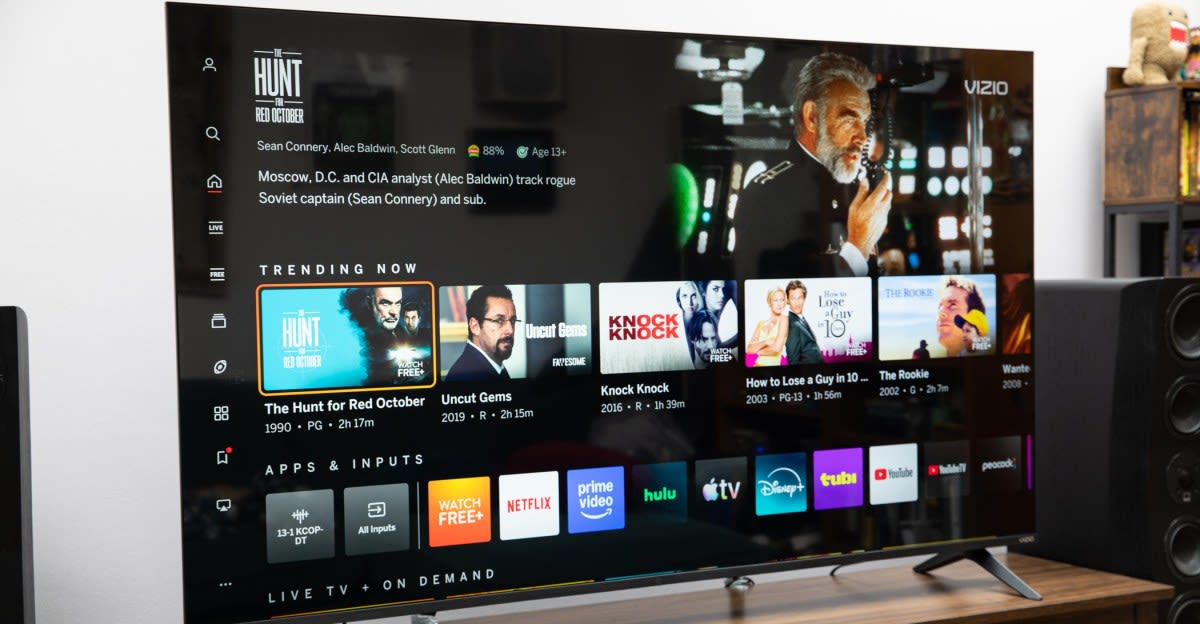
Researchers at Northeastern University found that while most TV brands respect user opt-outs for data tracking, Samsung and Roku devices may not fully comply. This study highlights the difficulty consumers face in preventing automatic content recognition tracking on modern smart TVs.
The Hidden Watchers: Are Smart TVs Respecting User Privacy?
In an era where the living room has become a data-harvesting hub, the question of whether our televisions are spying on us has shifted from paranoid speculation to a documented reality. A recent study conducted by researchers at Northeastern University has shed light on the efficacy of 'opt-out' mechanisms for Automatic Content Recognition (ACR) technology. While many consumers assume that toggling a privacy setting in a sub-menu effectively severs the data link between their device and the manufacturer, the reality is far more nuanced and, in some cases, ineffective.
Understanding the Mechanism of ACR
Automatic Content Recognition (ACR) is the engine behind the personalized viewing experiences and targeted advertising found on modern smart TVs. By identifying what is playing on the screen—whether it is a broadcast signal, a streaming service, or an HDMI-connected console—manufacturers gather granular data about user habits. While proponents argue this improves content discovery, the lack of transparency regarding how this data is stored and shared remains a primary concern for privacy advocates, leading to the development of opt-out tools that researchers sought to test.
The Northeastern University Findings
To test the efficacy of these safeguards, researchers monitored 12 television units from 10 different manufacturers. The results were mixed, revealing a fragmented landscape of privacy compliance. On the positive side, brands such as LG, Amazon Fire TV, Sony Bravia (running Google TV), and those utilizing the Vidaa OS—found on Hisense and Toshiba models—showed that their opt-out mechanisms were generally effective at stopping ACR-related tracking. This suggests that for these manufacturers, the privacy toggle is a functional barrier rather than a performative gesture.
The Compliance Gap: Samsung and Roku
Conversely, the study highlighted significant concerns regarding Samsung and Roku devices. The research indicated that these platforms did not demonstrate the same level of effectiveness regarding opt-outs, suggesting that even when users actively seek to protect their privacy, their viewing metadata may still be harvested. This discrepancy is particularly troubling given the market dominance of these brands, which places them in millions of households globally.
Broader Implications for Consumer Trust
This study underscores a systemic issue within the Internet of Things (IoT) ecosystem: the burden of privacy is unfairly placed on the consumer. As TVs become increasingly sophisticated, the complexity of their tracking methods often outpaces the average user's technical literacy. If 'opt-out' buttons are not consistently functional, the concept of informed consent becomes entirely eroded, leaving users vulnerable to invasive data mining without their knowledge or effective remedy.
Future Trends and Regulatory Outlook
Looking ahead, this research likely serves as a catalyst for increased regulatory scrutiny. As data privacy laws like the GDPR in Europe and the CCPA in California continue to evolve, manufacturers may face stricter requirements to prove that their privacy settings are not just present, but functional. Moving forward, consumers should remain vigilant, utilizing network-level monitoring or external hardware to block telemetry if they wish to ensure their viewing habits remain private, at least until industry standards regarding ACR transparency and control are standardized.