Sodium-ion batteries approach cost parity with LFP
Source Entity
Hacker News
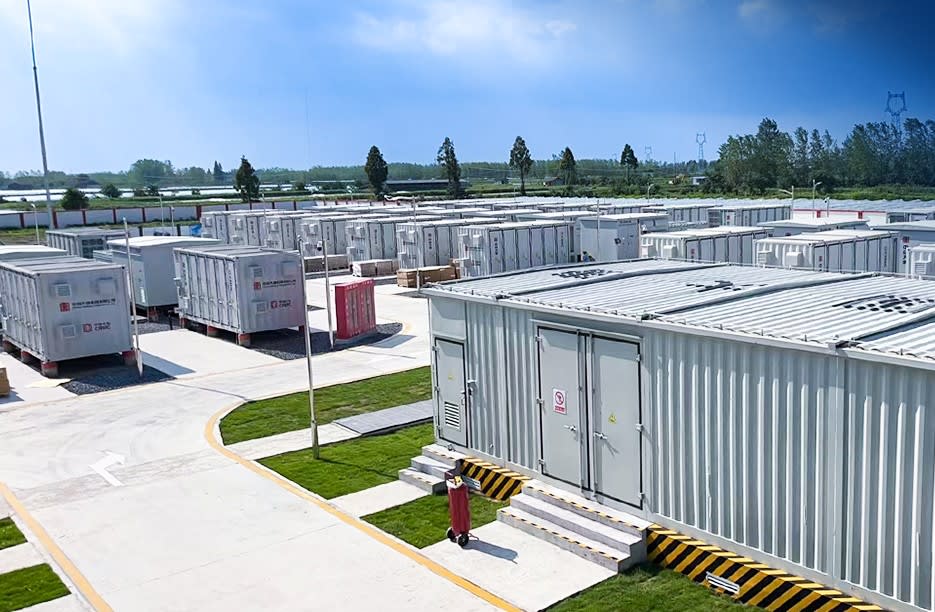
Sodium-ion batteries are rapidly advancing toward commercial viability, with cell-level cost parity against LFP batteries expected by 2026. This technology offers a strategic alternative to lithium-based storage, bolstered by superior low-temperature performance and significant supply chain diversification.
The Emergence of Sodium-Ion Technology
Sodium-ion battery technology has officially transitioned from experimental research to the commercial production phase. As global demand for energy storage solutions intensifies, sodium-ion batteries are emerging as a critical alternative to traditional lithium-ion systems. This shift is primarily driven by the urgent need for supply chain diversification and the inherent chemical advantages of sodium, which is significantly more abundant than lithium.
Strategic Advantages and Market Drivers
Beyond simple material availability, sodium-ion batteries demonstrate robust performance characteristics that make them particularly attractive for stationary energy storage. Notable among these is their superior performance in low-temperature environments, a common weakness in many lithium-based chemistries. Furthermore, the total cost of ownership is projected to drop as manufacturing scales, with current supply agreements already exceeding 70 GWh across key markets including China, the United States, Germany, and India.
The Path to Cost Parity
According to recent analysis by Wood Mackenzie, the industry is on a clear trajectory toward economic competitiveness. Leading manufacturers are currently refining production processes to achieve cell-level cost parity with lithium iron phosphate (LFP) batteries by late 2026. This milestone is pivotal, as LFP currently dominates the stationary storage market due to its safety profile and cost-efficiency.
Scaling Toward Long-Term Reliability
While cell-level parity is within reach by 2026, the transition at the module and system levels is expected to take longer, with parity projected for the post-2030 period. This timeline reflects the complexities of scaling pack-level integration, including thermal management and battery management systems. However, industry leaders like CATL have already demonstrated impressive performance benchmarks, including claims of up to 15,000 charge cycles and a 30-year operational life, which could redefine the economics of long-duration energy storage.
Global Implications and Future Outlook
As countries move toward decarbonization, the diversification of battery chemistries is essential for national energy security. By reducing reliance on lithium, which is subject to volatile pricing and concentrated supply chains, sodium-ion technology provides a more stable foundation for the global energy transition. The ongoing investment in this sector suggests that by the early 2030s, sodium-ion could become a standard, cost-effective pillar of the stationary storage market, bridging the gap between current lithium dominance and future energy requirements.