'Will end fast if...': Sonam Wangchuk announces big terms ahead of CJP Parliament march today
Source Entity
Latest News: Today's Latest News Headlines from India & World | Hindustan Times | Hindustan Times
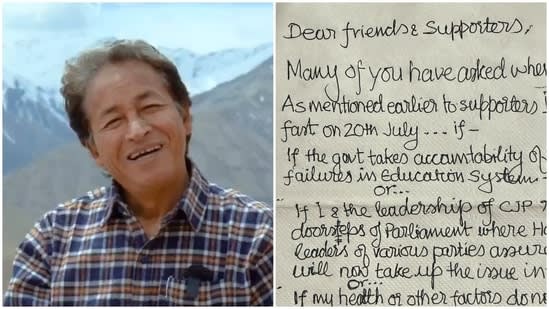
Climate activist Sonam Wangchuk has been shifted to Safdarjung Hospital following a 21-day hunger strike. His family has demanded medical transparency, while tensions rise amid allegations of police action against protesters.
The Hospitalization of Sonam Wangchuk: A Critical Juncture
On July 18, 2026, climate activist and educator Sonam Wangchuk was moved by the Delhi Police to Safdarjung Hospital. This development marks a significant turning point in his protest, which had reached its 21st day of an indefinite hunger strike. The intervention was officially stated as a measure for 'essential medical care,' mandated by the Delhi High Court and based on medical advice concerning his deteriorating physical condition.
The Intersection of Activism and State Intervention
The move to hospitalize Wangchuk follows a period of escalating tensions at protest sites in the capital. The Delhi Police, acting under administrative and judicial directives, cited health risks as the primary justification for the forced relocation. This situation underscores the delicate balance between the right to peaceful protest and the state's responsibility to prevent loss of life during prolonged hunger strikes, a practice deeply rooted in India's history of civil disobedience.
Family Concerns and Medical Transparency
Following the transfer, Sonam Wangchuk’s wife, Gitanjali J. Angmo, issued a firm demand for medical transparency. She explicitly requested that no oral or intravenous treatments be administered to the activist without the informed consent of his family and personal medical team. This insistence highlights the lack of trust that can emerge between protesters and state authorities during high-stakes political standoffs, where the health of an individual becomes a focal point of public scrutiny.
Allegations and Broader Protests
The situation has been further complicated by allegations from groups like the 'Cockroach Janta Party,' who have accused the Delhi Police of using force, specifically lathi-charges, against students gathered at Jantar Mantar. The fact that a social media satire movement has evolved into a significant protest platform reflects the changing nature of political mobilization in India, where digital influence rapidly translates into physical presence on the streets.
Future Implications and Social Impact
As Wangchuk remains under medical observation with stable vitals, the future of the protest remains uncertain. The incident serves as a reminder of the power of individual agency in challenging national discourse. Moving forward, the government's handling of these protests will likely be scrutinized for its adherence to human rights, while the protesters themselves face the challenge of sustaining momentum without the physical presence of their lead figure.
Conclusive Summary
The hospitalization of Sonam Wangchuk signifies a critical moment in an ongoing struggle that combines environmental advocacy with political dissent. With his health stabilized, the focus shifts to the government’s response to the underlying issues of the protest and the ability of his supporters to maintain their cause amidst potential state pressure and heightened administrative oversight.
Multiple Citing Sources
Verification Required?