Aamir Khan denies knowing Sonam Wangchuk during 3 Idiots; old video details 2008 meeting
Source Entity
Jyothi Jha
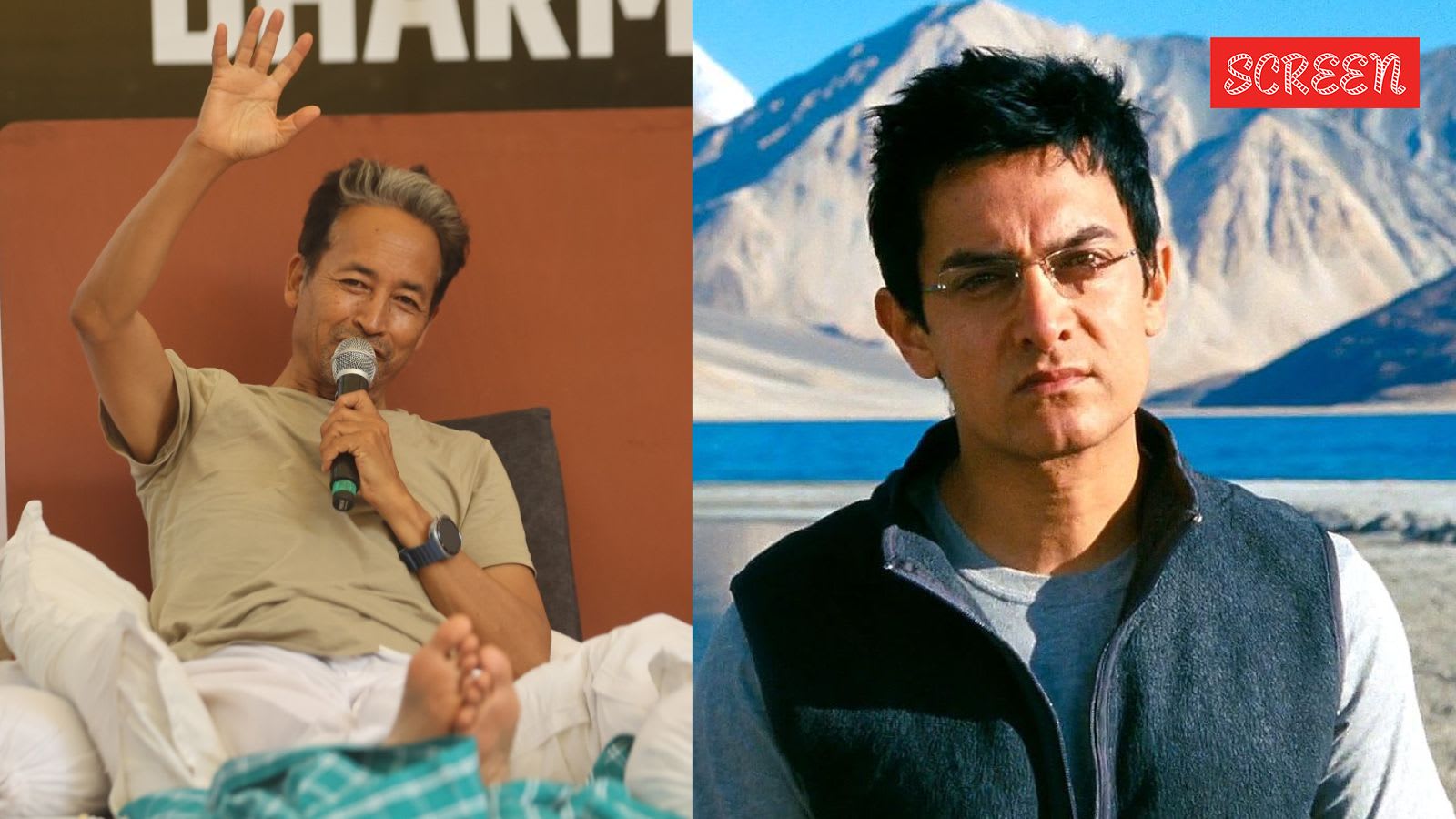
Climate activist Sonam Wangchuk has been shifted to Safdarjung Hospital following a 21-day hunger strike. His hospitalization follows Delhi High Court orders amid allegations of police intervention at his protest site.
The Hospitalization of Sonam Wangchuk: A Crisis Point in Protest
On July 18, 2026, climate activist and educator Sonam Wangchuk was moved from his protest site to Safdarjung Hospital in New Delhi. This development marks a critical juncture in his ongoing indefinite hunger strike, which had reached its 21st day. The Delhi Police, acting under the directives of the Delhi High Court and based on professional medical assessment, facilitated the transfer to provide essential care for his deteriorating health.
The Legal and Medical Context
The decision to hospitalize Wangchuk was not merely a matter of police discretion but a response to a judicial mandate. As his physical condition declined after three weeks of fasting, the intersection of public safety and the individual's right to protest became a focal point. His family, represented by his wife Gitanjali J. Angmo, has asserted strict control over his medical treatment, demanding that no oral or intravenous administration occur without explicit consent from his personal medical team and family members, highlighting the tension between state-mandated care and personal autonomy.
Escalating Tensions at the Protest Site
Parallel to the medical emergency, the protest environment at Jantar Mantar has grown increasingly volatile. Reports indicate that the 'Cockroach Janta Party'—a group associated with the movement—has accused the Delhi Police of employing force, specifically alleging lathi-charges against students present at the site. The detention of figures such as Abhijeet Dipke underscores the widening scope of the administrative crackdown on the demonstration.
From Digital Satire to Ground Protest
The rise of this movement is particularly notable for its origins. What began as a social media satire under the banner of the 'Cockroach Janta Party' has evolved into a significant physical protest in the national capital. This transformation reflects a growing trend in Indian civil society where digital dissent translates rapidly into large-scale, on-the-ground activism, testing the capacity of urban spaces like Jantar Mantar to host sustained political discourse.
Broader Implications for Civil Activism
Wangchuk’s hunger strike serves as a case study for the challenges faced by activists employing Gandhian methods in the modern era. The state's intervention, framed as a protective health measure, is being viewed by supporters as a tactical move to neutralize the protest's momentum. As the situation unfolds, the core issue remains the balance between the government's duty to protect the life of a citizen and the fundamental right of that citizen to engage in non-violent protest until their demands are met.
Future Outlook and Conclusion
As Sonam Wangchuk remains under medical supervision, the future of the protest remains uncertain. The focus will likely shift toward the legal battles regarding his continued detention or monitoring, and the political fallout from the accusations of police conduct. The coming days will determine whether the movement can sustain its pressure on the authorities or if the state's intervention will effectively bring this phase of the agitation to a close.
Multiple Citing Sources