‘Lost faith in Safdarjung’: Sonam Wangchuk’s wife seeks urgent hearing to shift him to private hospital
Source Entity
Majid Alam
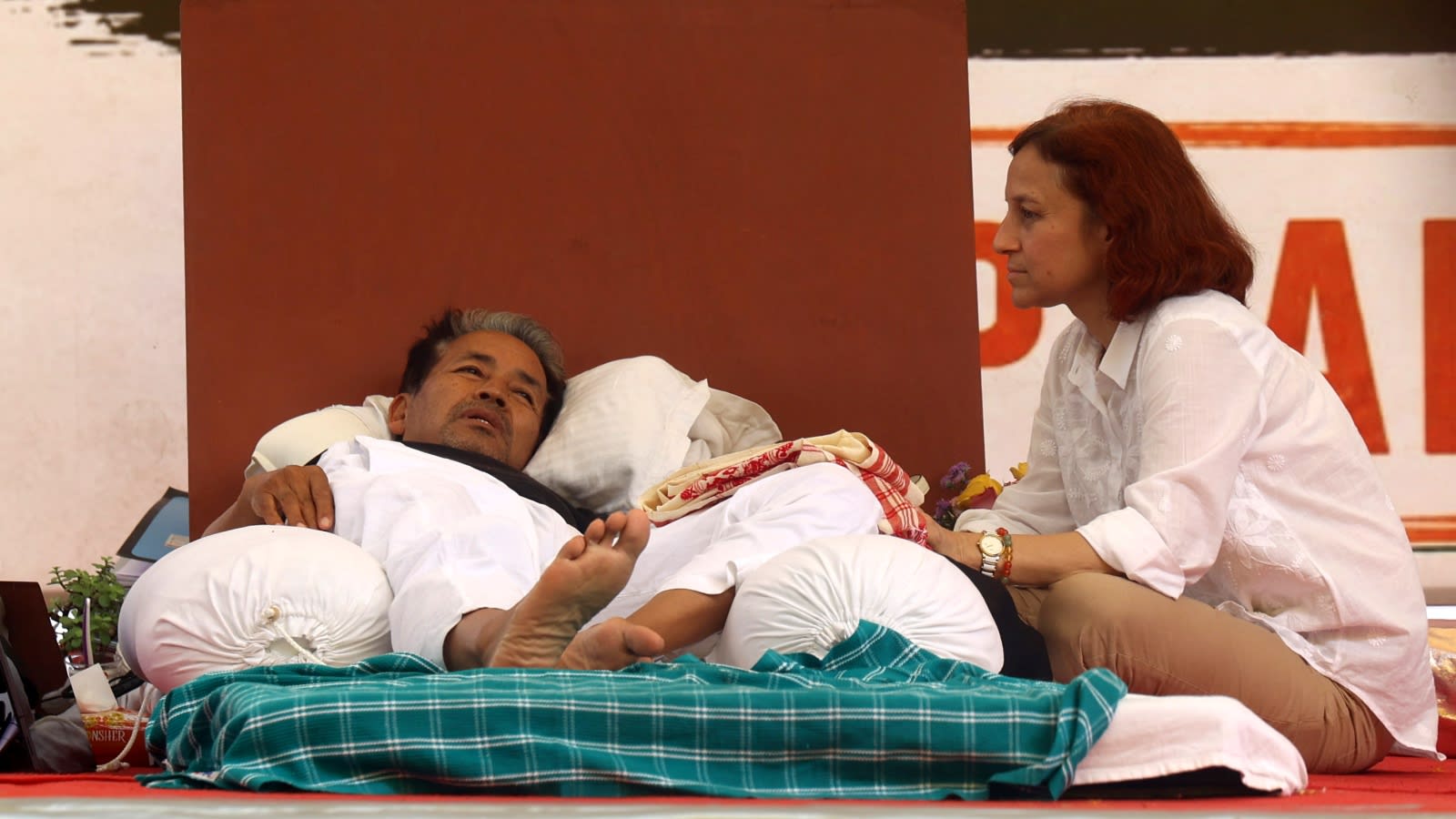
Climate activist Sonam Wangchuk has been shifted to Safdarjung Hospital following a 21-day hunger strike. Authorities cited medical necessity under court orders, while family members demand strict oversight of his treatment.
The Hospitalization of Sonam Wangchuk: A Critical Juncture
On July 18, 2026, the indefinite hunger strike led by educator and climate activist Sonam Wangchuk reached a significant turning point. After 21 days of protest, Delhi Police intervened to shift Wangchuk from the protest site to Safdarjung Hospital. This move, characterized by authorities as a measure for 'essential medical care,' was executed following specific directives from the Delhi High Court and expert medical recommendations necessitated by his deteriorating physical state.
Legal and Medical Context of the Intervention
The intervention by the Delhi Police highlights the tension between the state's duty to preserve life and the rights of activists engaged in non-violent civil disobedience. The DCP’s office confirmed that the hospitalization was not a punitive measure but a response to health concerns. By adhering to Delhi High Court orders, the state has attempted to frame this action as a protective mandate rather than an attempt to suppress the protest, though the optics of removing a protest leader from a site remain highly sensitive.
The Role of Family and Oversight
Following the transfer, the activist’s wife, Gitanjali J. Angmo, issued a firm statement regarding his medical treatment. Her insistence that no oral or intravenous substances be administered without the explicit consent of his family and independent medical team underscores a deep-seated distrust in the state-managed medical process. This demand serves as a safeguard, ensuring that the activist's autonomy is respected even while under state supervision, and emphasizes the importance of transparency in the treatment of political detainees.
The Rise of Grassroots Protest Culture
The protests, which have drawn significant attention, have been linked to broader social movements, including the rise of platforms like the 'Cockroach Janta Party.' The transition of social media-driven satire into a physical, high-stakes protest at Jantar Mantar signifies a shift in how modern political discourse is mobilized in India. This evolution suggests that digital activism is increasingly capable of manifesting as sustained, long-term physical demonstrations that challenge established administrative narratives.
Allegations of Force and Public Reaction
Adding to the complexity of the situation are reports of alleged police misconduct. The 'Cockroach Janta Party' has leveled accusations against the Delhi Police, claiming that students at the Jantar Mantar site were subjected to lathi-charges. These allegations, combined with the detention of figures like Abhijeet Dipke, paint a picture of a volatile environment where the state's efforts to maintain public order are clashing with the fervor of demonstrators supporting Wangchuk’s cause.
Future Implications and Outlook
As Wangchuk remains under medical care, the future of the protest hangs in a delicate balance. His condition, described as conscious and stable, will determine the next steps for the movement. If his health stabilizes, the central question remains whether he will resume his protest or seek alternative avenues for negotiation with the authorities. The outcome of this event will likely set a precedent for how the state handles long-term hunger strikes and the degree of medical autonomy granted to high-profile activists in the future.
Multiple Citing Sources