Wangchuk’s removal from Jantar Mantar: Congress accuses govt of crushing peaceful protest
Source Entity
India Latest News: Top National Headlines Today & Breaking News | The Hindu
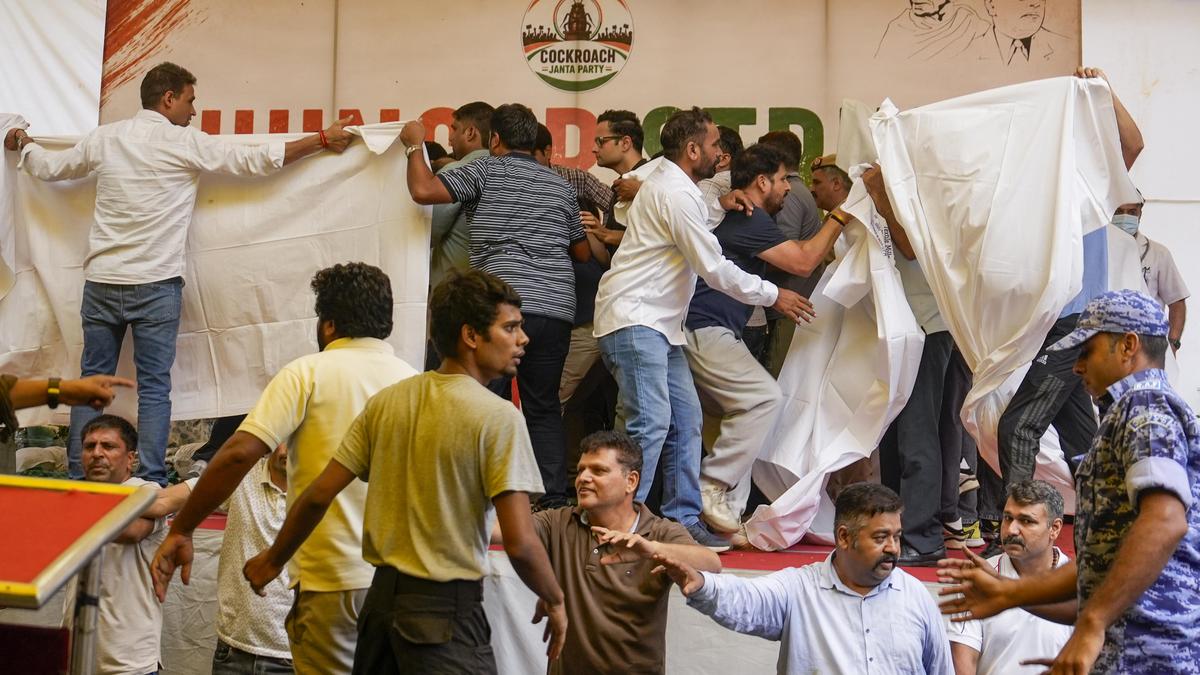
Climate activist Sonam Wangchuk has been hospitalized at Safdarjung Hospital after 21 days of an indefinite hunger strike. Delhi Police cited medical necessity following a High Court order, while concerns remain regarding his treatment and the ongoing protests.
The Hospitalization of Sonam Wangchuk: A Critical Juncture
On July 18, 2026, the long-running protest led by climate activist and educator Sonam Wangchuk reached a significant turning point. After maintaining an indefinite hunger strike for 21 days, Wangchuk was forcibly shifted by the Delhi Police to Safdarjung Hospital. Official statements from the New Delhi Deputy Commissioner of Police (DCP) office indicate that this intervention was carried out in compliance with Delhi High Court directives and expert medical advice, citing the necessity of 'essential medical care' due to the activist's rapidly deteriorating health.
The Context of the Protest and State Intervention
The hunger strike, which had become a focal point for civic discourse, saw heightened tensions at the Jantar Mantar protest site. Reports from the 'Cockroach Janta Party'—a social media entity turned protest movement—have alleged that Delhi Police engaged in lathi-charging students during the operation to remove Wangchuk. This escalation underscores the broader friction between state authorities and activists, particularly when protests reach multi-week durations that threaten the physical well-being of the participants.
Family Concerns and Medical Autonomy
Following the transfer, Wangchuk’s wife, Gitanjali J. Angmo, expressed immediate concern regarding her husband’s medical autonomy. She has explicitly demanded that no oral or intravenous substances be administered to him without the prior consent of his family and his personal medical team, who had been monitoring his condition throughout the three-week fast. This request highlights the deep mistrust between the activists and the state-appointed medical authorities, raising questions about the ethics of state-mandated medical intervention during civil disobedience.
The Rise of the 'Cockroach Janta Party'
The involvement of the 'Cockroach Janta Party' marks a unique shift in contemporary Indian protest culture. Originally a satirical social media presence, the group has evolved into a significant mobilizing force, drawing attention to the plight of activists like Wangchuk. Their emergence reflects a growing trend in digital-age activism where viral, satirical commentary bridges the gap into physical, high-stakes political agitation, forcing mainstream media and authorities to contend with unconventional protest structures.
Broader Implications for Civil Activism
The hospitalization of a high-profile figure like Sonam Wangchuk following a 21-day fast forces a national debate on the limits of protest and the state's duty of care. While the Delhi Police maintain that their actions were protective and legally mandated, the optics of removing an activist from a protest site under these circumstances are complex. The situation remains fluid, as supporters and family members continue to monitor his status, with his vitals currently reported as stable despite the severity of the prolonged hunger strike. Future trends suggest that as digital movements like the 'Cockroach Janta Party' gain traction, the friction between traditional law enforcement protocols and modern, prolonged protest tactics will likely increase, necessitating clearer legal and ethical frameworks for state intervention.
Multiple Citing Sources
Verification Required?