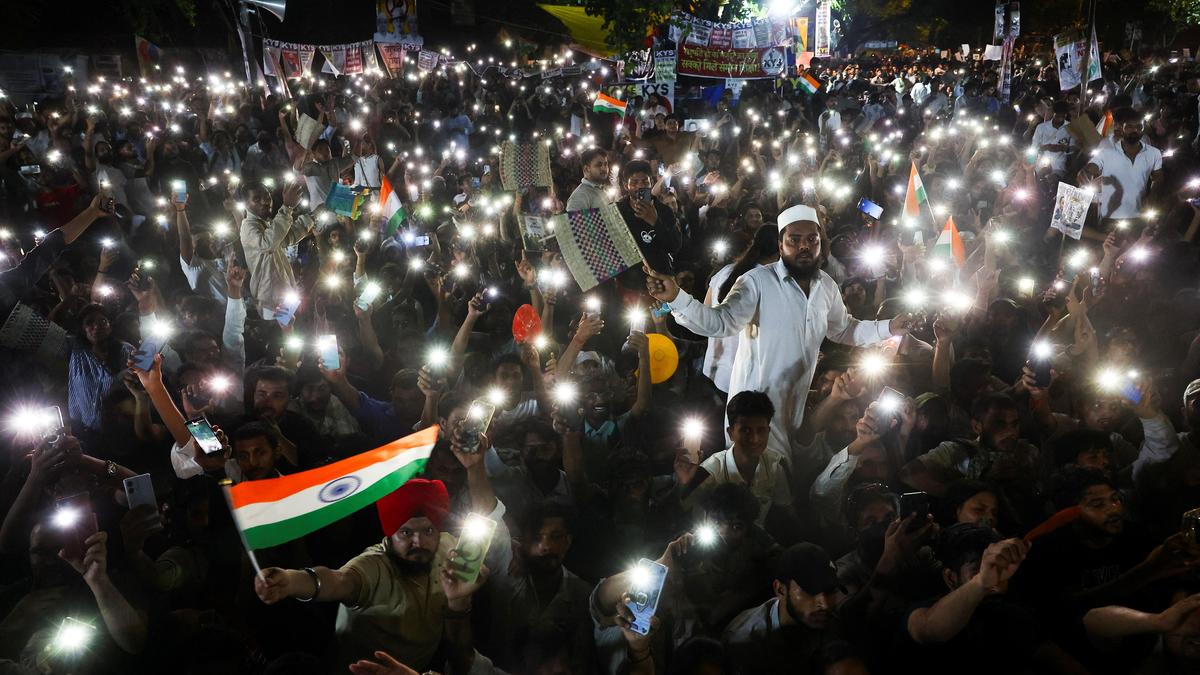
CJP's night vigil begins, crowds camp at Jantar Mantar on eve of Parliament march call
Source Entity
India Latest News: Top National Headlines Today & Breaking News | The Hindu
Climate activist Sonam Wangchuk has been shifted to Safdarjung Hospital following a 21-day hunger strike. Authorities cited medical necessity under court orders, while his family has demanded strict control over his medical treatment.
The Hospitalization of Sonam Wangchuk: A Critical Turning Point
On July 18, 2026, the ongoing hunger strike led by climate activist and educator Sonam Wangchuk reached a critical juncture. After 21 days of protest, Delhi Police intervened, shifting Mr. Wangchuk to Safdarjung Hospital. Official statements from the New Delhi DCP’s office indicate that this action was taken to provide 'essential medical care,' citing both Delhi High Court orders and expert medical advice necessitated by his deteriorating health.
Context of the Hunger Strike
The hunger strike, which had persisted for over three weeks, served as the focal point for a broader movement. The protest gained significant traction, eventually drawing attention to the methods utilized by authorities at Jantar Mantar. Reports have emerged detailing allegations from the 'Cockroach Janta Party' that Delhi Police engaged in lathi-charging students at the protest site, a claim that adds a layer of civil unrest to the medical intervention.
Medical and Legal Complications
The forced or requested relocation of an activist on a long-term hunger strike often triggers complex legal and ethical questions regarding bodily autonomy versus state responsibility. Gitanjali J. Angmo, Mr. Wangchuk’s wife, has publicly asserted her role in overseeing his care. Her demand that no oral or intravenous treatment be administered without the explicit consent of his family and private medical team highlights a deep-seated distrust between the protesters and the state apparatus.
The Role of Social Media Satire
An interesting facet of this development is the involvement of the 'Cockroach Janta Party.' Originally a social media satire platform, its evolution into a catalyst for one of India’s most prominent protests suggests a shift in how digital activism translates into physical, ground-level action. This demonstrates the increasing power of online movements to mobilize large crowds and influence public discourse surrounding government policy.
Broader Implications and Future Trends
The hospitalization of a high-profile activist like Wangchuk often serves as a flashpoint for further civil agitation. Given the reports of detentions—such as that of Abhijeet Dipke—the situation remains volatile. Moving forward, the government faces the challenge of balancing public order with the democratic right to protest, while the activist community will likely continue to scrutinize the state’s handling of detainees and those on medical fasts.
Conclusion
As of the latest reports, Mr. Wangchuk is conscious and his vitals are stable. However, the intersection of his deteriorating health, the allegations of police misconduct at Jantar Mantar, and the family's insistence on medical transparency ensures that this incident will remain a significant topic in Indian civic life. The coming days will be crucial in determining whether the protest will continue in a different form or if the state's intervention marks the end of this specific phase of agitation.
Multiple Citing Sources
Verification Required?