'Suspicious': Sonam Wangchuk's doctor rejects Safdurjung report claiming potassium deficiency
Source Entity
TOI NEWS DESK
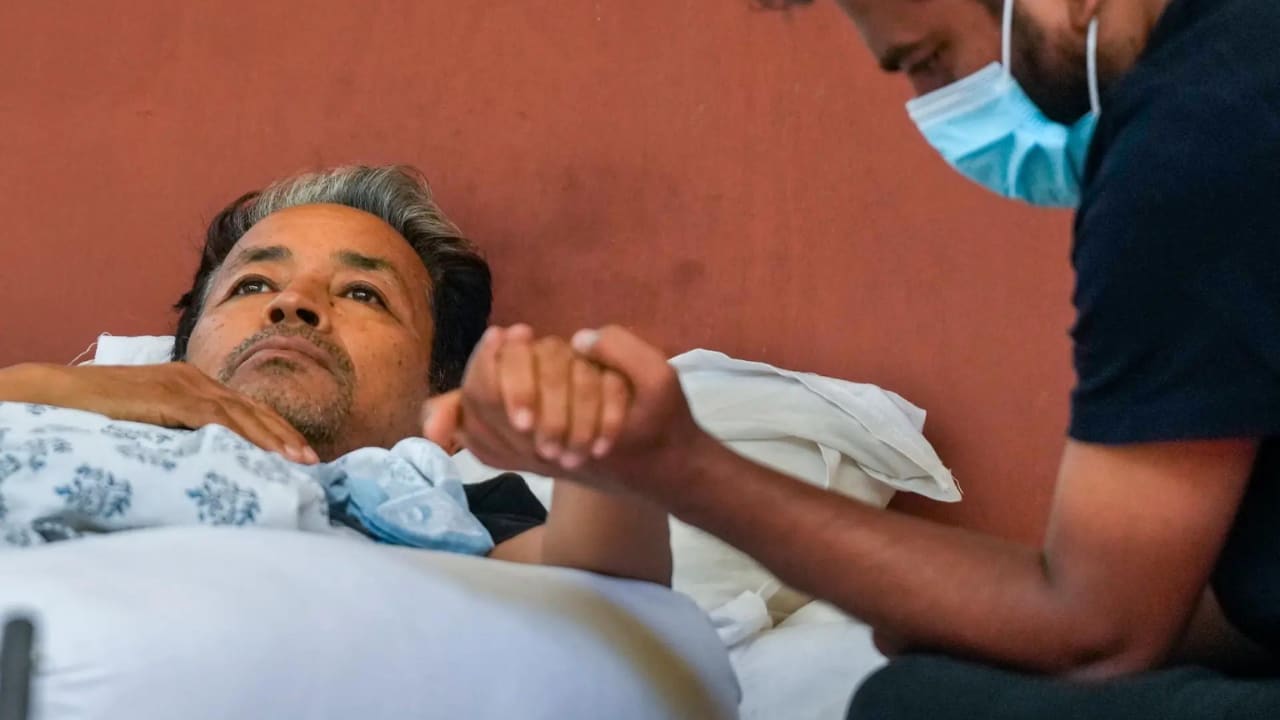
Climate activist Sonam Wangchuk was shifted to Safdarjung Hospital by Delhi Police after his hunger strike entered its 21st day. The move follows a Delhi High Court order due to his deteriorating health condition.
Medical Intervention and State Action: The Hospitalization of Sonam Wangchuk
On Saturday, July 18, 2026, the prolonged hunger strike of renowned educator and climate activist Sonam Wangchuk reached a critical tipping point. After twenty-one days of indefinite fasting, Mr. Wangchuk was shifted by the Delhi Police to Safdarjung Hospital. This intervention was not a random administrative move but was executed under the specific orders of the Delhi High Court, following expert medical advice that highlighted a significant deterioration in the activist's health. The state's decision to prioritize medical stabilization over the continuation of the protest underscores the legal and ethical complexities that arise when a high-profile individual's life is at risk during a political fast.
Ethical Tensions and Family Consent
A significant point of contention has emerged regarding the administration of medical treatment. Gitanjali J. Angmo, Mr. Wangchuk's wife, has explicitly demanded that no medication or nutrients be administered orally or intravenously without the prior consent of the family and the doctors who have been monitoring his condition for the past three weeks. This demand highlights the delicate balance between the state's duty to preserve life and the individual's right to bodily autonomy during a hunger strike. The insistence on consent suggests a deep distrust of state-led medical intervention, fearing that forced feeding or treatment could be used to prematurely end the symbolic power of the protest.
The Evolution of the Protest: From Satire to Street
The hospitalization of Mr. Wangchuk occurs against a backdrop of escalating unrest at the Jantar Mantar protest site. A particularly striking element of this movement is the involvement of the 'Cockroach Janta Party.' What began as a satirical social media presence has evolved into one of India's most significant contemporary protests. This transition from digital satire to physical mobilization indicates a shift in how modern political dissent is organized in India, leveraging irony and internet culture to engage a younger demographic, specifically students, in systemic climate and educational advocacy.
Allegations of Police Brutality and Detentions
While the state frames the hospitalization as a humanitarian necessity, the atmosphere at the protest site remains volatile. The Cockroach Janta Party has leveled serious accusations against the Delhi Police, alleging the use of lathi-charges against students gathered at Jantar Mantar. Furthermore, the detention of Abhijeet Dipke by the authorities suggests a broader crackdown on the organizers of the movement. These actions create a narrative of contradiction: while the government ensures the medical safety of the movement's figurehead, it simultaneously employs force to disperse his followers and detain key activists.
Historical Context and Future Implications
Hunger strikes have a long and potent history in the Indian political landscape as a tool for non-violent resistance. By utilizing this method, Sonam Wangchuk has tapped into a legacy of peaceful defiance to draw national attention to his cause. However, the shift to a hospital setting often changes the momentum of such movements. Depending on the government's response to the underlying demands, the hospitalization could either serve as a catalyst for increased public sympathy and renewed mobilization or mark the beginning of the protest's decline as its central figure is removed from the public eye.
Conclusion
Currently, reports indicate that Sonam Wangchuk remains conscious with stable vitals at Safdarjung Hospital. However, the stability of his health is contrasted by the instability of the protest environment. With students facing police action and key organizers in detention, the focus now shifts to whether the Delhi High Court's intervention will lead to a dialogue between the activists and the state, or if the movement will continue to escalate in the absence of its leader.
Multiple Citing Sources