Imposing Emergency a mistake, even Indira came to feel the same: Sonia Gandhi
Source Entity
TNN
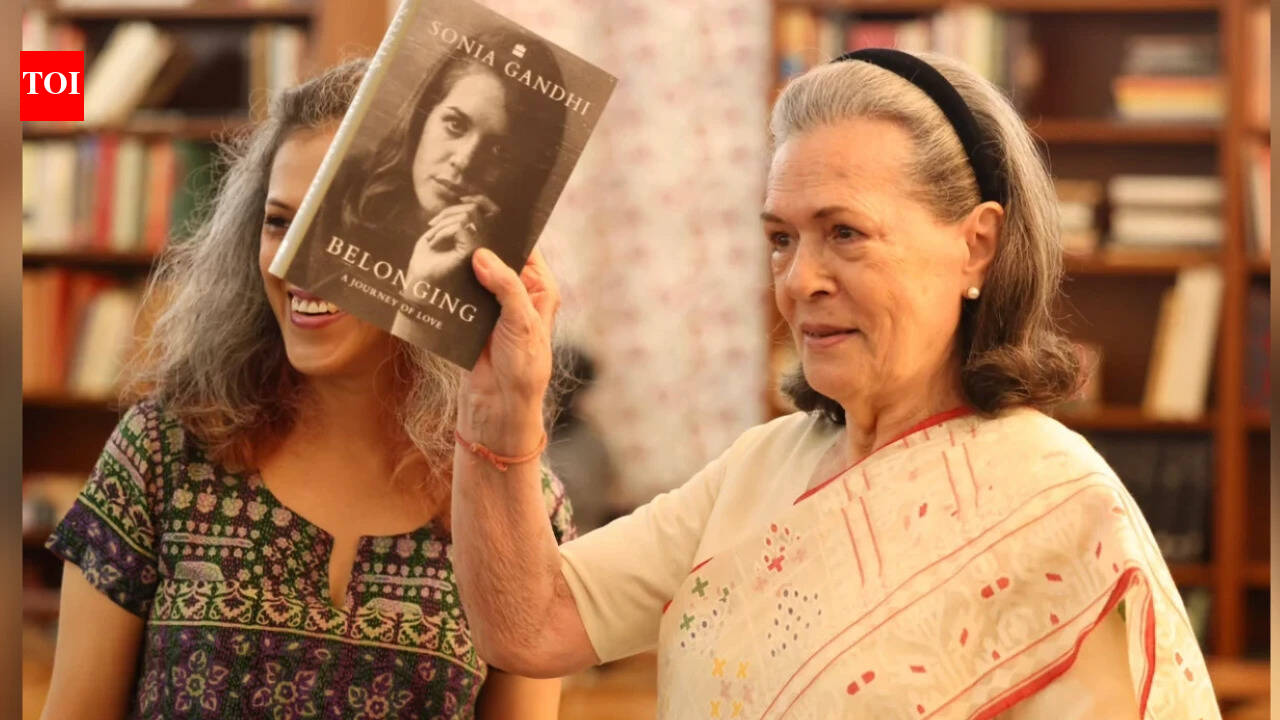
Sonia Gandhi reflects on the 1975 Emergency, acknowledging that while actions were taken constitutionally, they resulted in the curtailment of democratic rights. She notes that Indira Gandhi later expressed regret for the excesses committed during that period.
Reflecting on the Emergency: A Historical Reassessment
Congress Parliamentary Party chairperson Sonia Gandhi has recently offered a nuanced perspective on one of the most contentious periods in Indian political history: the 1975-1977 Emergency. Speaking ahead of the release of her book, Belonging: A Journey of Love, Gandhi addressed the complexities surrounding the decision-making process of the late Prime Minister Indira Gandhi. Her reflections highlight the tension between the constitutional framework of the era and the subsequent erosion of democratic rights that defined the period.
The Constitutional Paradox
Sonia Gandhi noted that while democratic rights were curtailed during the Emergency, these actions were performed under the guise of constitutional provisions. This statement underscores the legalistic approach taken by the government at the time, which utilized existing legislative tools to centralize power. However, she juxtaposes this with the harsh reality of the period, acknowledging that the suspension of civil liberties created a deeply challenging environment for the Indian populace.
Understanding the Context of Crisis
When viewing the situation from the perspective of the then-Prime Minister, Sonia Gandhi suggests that Indira Gandhi was grappling with a nation in turmoil. The prevailing circumstances at the time involved widespread, organized unrest that threatened the stability of the government. This analytical framing suggests that the imposition of the Emergency was viewed by the leadership as a reactionary measure intended to manage a deteriorating political landscape, rather than a pre-meditated assault on democracy.
The Evolution of Regret
Crucially, the analysis extends to the personal evolution of Indira Gandhi. Sonia Gandhi confirmed that the late Prime Minister eventually recognized the gravity of the excesses committed during the Emergency. By publicly expressing regret and offering apologies, Indira Gandhi acknowledged the disconnect between the government's intended stabilization and the actual impact on the citizenry. This serves as a significant admission, indicating that even the architect of the policy recognized the failure of the endeavor in hindsight.
Historical Hindsight and Perspective
Sonia Gandhi emphasizes that hindsight allows for a clearer view of historical events. By revisiting these events through the lens of her book, she invites a broader conversation about political accountability and the weight of executive decisions. The ability to reflect on past mistakes is presented as a necessary step for political maturity, suggesting that the lessons learned from the Emergency remain vital for the health of India's contemporary democracy.
Future Implications for Governance
Ultimately, this reflection serves as a reminder of the fragility of democratic institutions when faced with systemic crises. The discussion reinforces the importance of maintaining civil liberties even during periods of intense political pressure. As India continues to navigate its complex democratic journey, the acknowledgement of past excesses remains a cornerstone for preventing similar occurrences, ensuring that the constitutional framework is used to protect—rather than diminish—the rights of the people.