Winemakers are learning that conservation can be good for business
Source Entity
Hannah V. Herrero, Erin L. Bunting, Jane Southworth, Jason K. Blackburn, and Stephanie Insalaco-Wyner, The Conversation
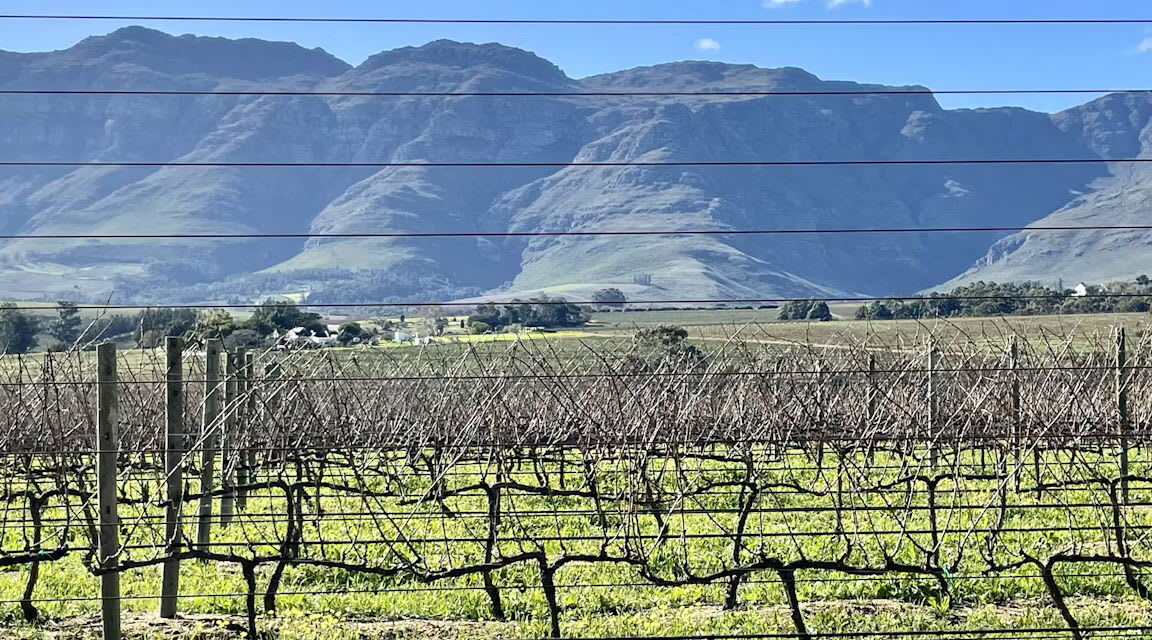
South African winemakers are adopting sustainable conservation practices to combat climate-driven threats like severe drought and rising temperatures. These efforts aim to stabilize production in the biodiversity-rich Western Cape region.
The Climate Crisis in the Cape Winelands
The Western Cape of South Africa, a region renowned for its immense biological diversity, faces a precarious future as the global climate crisis intensifies. Home to over 500 vineyards that account for nearly 90 percent of the nation's wine production, this area is experiencing environmental shifts that threaten the very viability of its viticulture. With temperatures in the region climbing at a rate 1.5 to 2 times faster than the global average over the last fifty years, local winemakers are navigating an unprecedented landscape of heat stress and extreme weather patterns.
The Impact of Drought and Climate Variability
The late 2010s served as a grim harbinger of future challenges when a three-year period of severe drought crippled vineyard health and significantly hampered grape yields. This period of scarcity highlighted the vulnerability of traditional farming methods when faced with prolonged water stress. Beyond the lack of water, the increased intensity of storms and erratic rainfall patterns have created a cycle of environmental instability, forcing producers to move beyond reactive measures toward long-term systemic change.
Conservation as a Business Imperative
Recognizing that environmental health is inextricably linked to economic survival, many winemakers are now pivoting toward conservation-centric business models. The shift involves a fundamental reimagining of vineyard management, prioritizing healthy soils, the integration of native plant species, and a drastic reduction in the reliance on synthetic chemicals. By fostering a more resilient ecosystem, these producers hope to mitigate the impacts of rising temperatures and maintain productivity in an increasingly volatile climate.
The Role of Biodiversity in Viticulture
The Western Cape is a global biodiversity hotspot, and the decision to integrate native flora into vineyard management is a strategic move that provides more than just aesthetic or ecological value. Native plants contribute to soil health and water retention, acting as a natural buffer against the harsh heat and the erratic hydrological cycles now plaguing the region. This approach aligns with broader global trends in regenerative agriculture, where the objective is to work with natural processes rather than attempting to dominate them through chemical intervention.
Future Outlook and Industry Adaptation
Looking ahead, the sustainability initiatives currently being implemented in the Western Cape are likely to define the future of the industry. As climate variability continues to exert pressure on production, those who successfully adapt their practices will likely gain a competitive edge in both quality and consistency. The transition to conservation-minded viticulture is not merely an environmental preference but a necessary evolution for a sector that serves as a cornerstone of South Africa’s agricultural economy. The continued survival of the region's wine industry will depend heavily on the scale and success of these conservation efforts in the coming decades.