Naidu to Vijay, Jagan to Stalin: Are key South players hedging bets before 2029
Source Entity
Liz Mathew
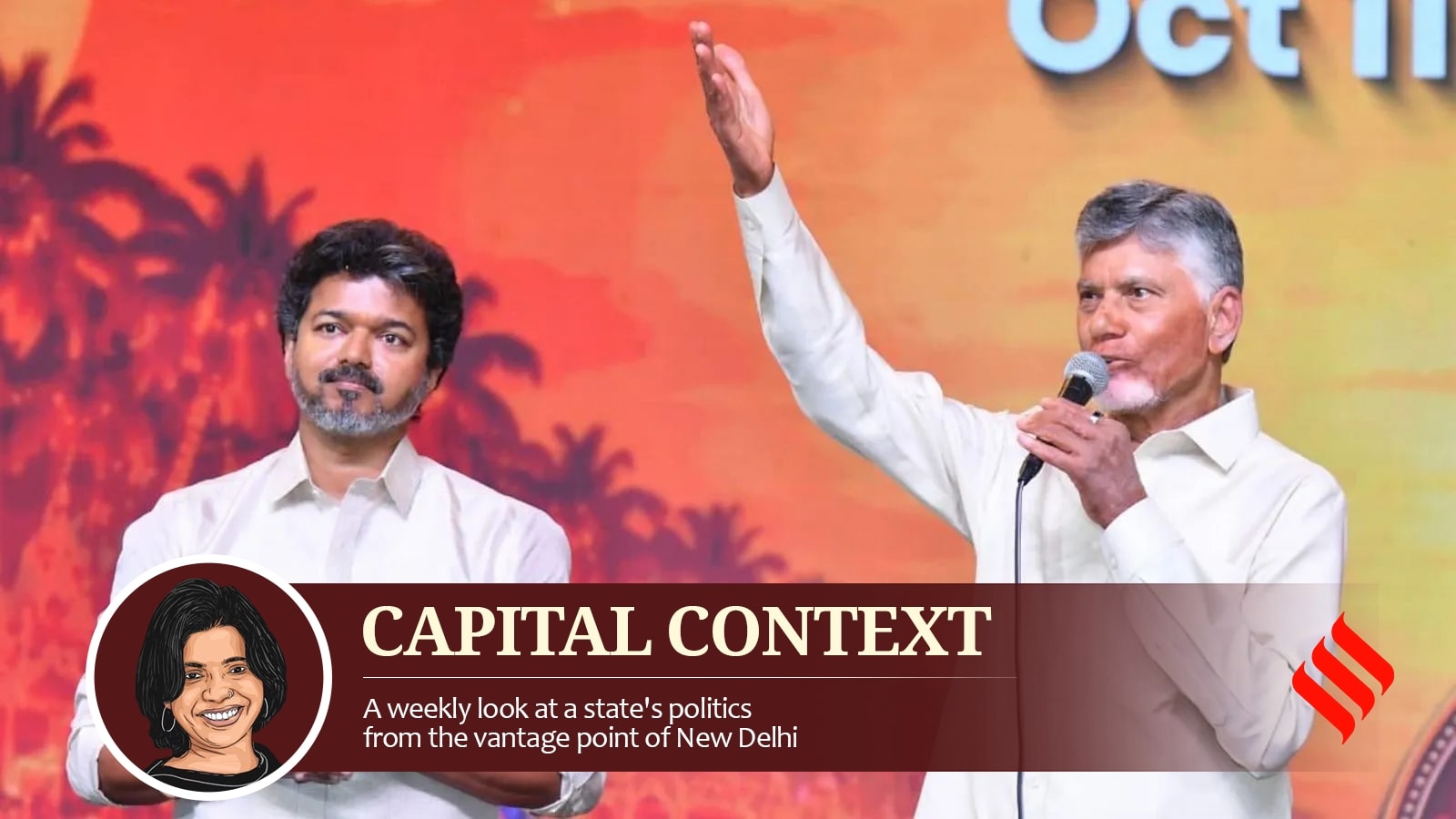
Major South Indian political leaders are strategically positioning themselves ahead of the 2029 Lok Sabha elections. Key figures like Chandrababu Naidu and Y.S. Jagan Mohan Reddy are navigating complex alliances with the BJP and Congress to secure future political leverage.
Strategic Realignment: The South Indian Political Landscape
As the national political discourse remains dominated by the binary competition between the ruling Bharatiya Janata Party (BJP) and the Opposition-led INDIA bloc, a distinct shift is occurring in South India. Major regional players are currently engaged in a sophisticated game of political maneuvering, looking well beyond immediate electoral cycles toward the 2029 Lok Sabha polls. This trend suggests a move toward hedging bets, where regional autonomy and long-term survival take precedence over rigid national ideological affiliations.
The Balancing Act of Chandrababu Naidu
Andhra Pradesh Chief Minister and TDP president Chandrababu Naidu remains a central figure in this strategic recalibration. Known for his political astuteness, Naidu’s current alliance with the BJP is being scrutinized by national observers. His ability to maintain a strong regional footprint while participating in the National Democratic Alliance (NDA) demonstrates a pragmatic approach to governance and power retention. By reinforcing his state-level influence, Naidu ensures that the TDP remains an indispensable partner in any future national coalition scenarios.
Jagan Mohan Reddy’s Strategic Pivot
Conversely, YSRCP chief Y.S. Jagan Mohan Reddy finds himself in a period of significant introspection. His recent public expression of regret regarding his party's past legislative support for the NDA government marks a potential turning point in his political trajectory. As he remains unaligned with either the NDA or the INDIA bloc, he is effectively keeping his options open. This calculated distance allows him to observe the shifting tide of national politics before committing to a specific realignment that could define his party’s standing for the next half-decade.
Regional Influence and National Implications
The maneuvers of leaders like Naidu and Jagan highlight the growing importance of South Indian states in shaping the country’s central government. Historically, southern regional parties have acted as kingmakers in fractured mandates. By focusing on 2029, these leaders are signaling that they intend to maintain this leverage, ensuring that their respective states' interests are prioritized regardless of who occupies the Prime Minister’s office.
Future Trends and Political Volatility
The landscape of Indian politics is increasingly characterized by fluidity. As regional parties assess the stability of the BJP and the efficacy of the Congress-led opposition, we can expect more 'wait-and-see' strategies. The primary goal for these leaders is to avoid being tied to a sinking ship while positioning themselves to extract maximum concessions in a post-2029 environment. This trend underscores a broader transition in Indian democracy, where regional interests are becoming the primary drivers of national political strategy.