Why Samajwadi Party Announced 5 Candidates Amid UP Seat-Sharing Talks
Source Entity
NDTV News Search Records Found 1000
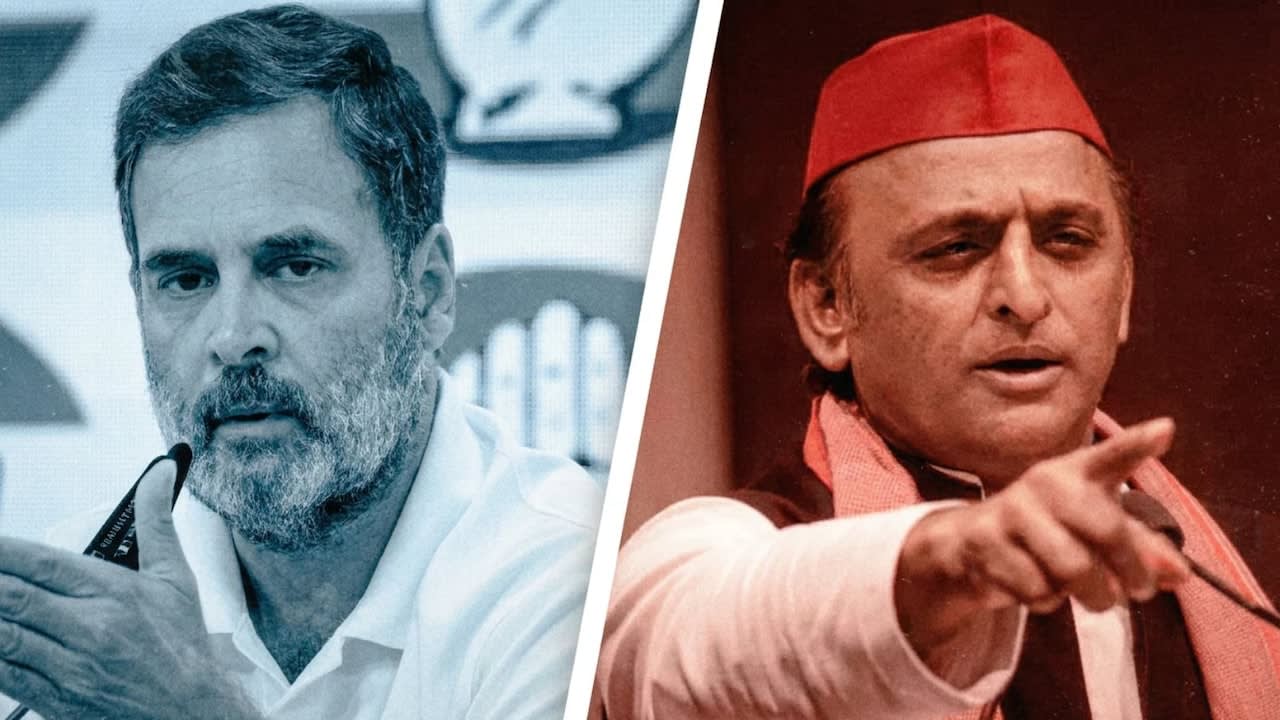
The Samajwadi Party and Congress are engaged in intense negotiations regarding seat-sharing for the 2027 Uttar Pradesh Assembly elections. Despite initial friction over an offer of 26 seats, both parties continue to discuss a comprehensive agreement covering all 403 constituencies.
The Dynamics of the SP-Congress Alliance in Uttar Pradesh
The political landscape of Uttar Pradesh is currently witnessing a critical period of realignment as the Samajwadi Party (SP) and the Congress engage in rigorous seat-sharing negotiations for the upcoming 2027 Assembly elections. Akhilesh Yadav, representing the SP, has publicly advocated for "serious talks" between the two allies, signaling a desire to formalize a collaborative strategy to challenge the current political hegemony in the state. This move comes as both parties attempt to reconcile their differing expectations for the 403-seat legislative assembly.
The Negotiation Gap: Numbers vs. Strategy
The core of the current friction lies in the disparity between the electoral expectations of both parties. The Samajwadi Party reportedly presented an initial offer of 26 seats to the Congress, a proposal that was promptly rejected by the latter. Congress, which had previously aimed for a much larger footprint of approximately 181 constituencies, has since revised its demand to a range of 100–120 seats. This fluctuation in numbers highlights the difficulty of aligning two distinct party machines that have historically held differing levels of influence across various regions of Uttar Pradesh.
Navigating the 403-Seat Map
Despite the public rejection of the initial 26-seat offer, both parties have committed to marathon, seat-by-seat discussions covering all 403 constituencies. This granular approach suggests a shift toward a more analytical, data-driven strategy rather than one based on ideological posturing alone. By focusing on "winnability" and "mutual accommodation," the negotiators are attempting to mitigate the risk of internal rebellion and seat-related dissatisfaction that often plagues coalition politics in India.
Strategic Ambiguity and Tactical Maneuvering
The complexity of these talks is further underscored by the Samajwadi Party’s decision to announce five candidates even while formal negotiations are ongoing. Such moves are often interpreted as tactical posturing—an attempt to signal strength and claim territory before a final pact is inked. This dual approach of maintaining a dialogue while simultaneously securing individual party interests keeps the pressure on the coalition partners to reach an amicable conclusion.
Future Outlook and Implications
As the parties head into subsequent rounds of talks in Delhi, the success of this alliance will likely hinge on the ability of both leaderships to manage the expectations of their grassroots workers. If a deal is successfully finalized, it could create a potent opposition bloc capable of shifting the electoral math in Uttar Pradesh. However, if the parties remain deadlocked over seat allocation, the resulting fragmentation could drastically alter the competitive landscape, potentially benefiting their political rivals. The coming weeks of negotiations will be a definitive test of the SP-Congress partnership's viability.
Multiple Citing Sources
Verification Required?