The Space Force is now seeking to buy up to $30 billion in rocket launches
Source Entity
Stephen Clark
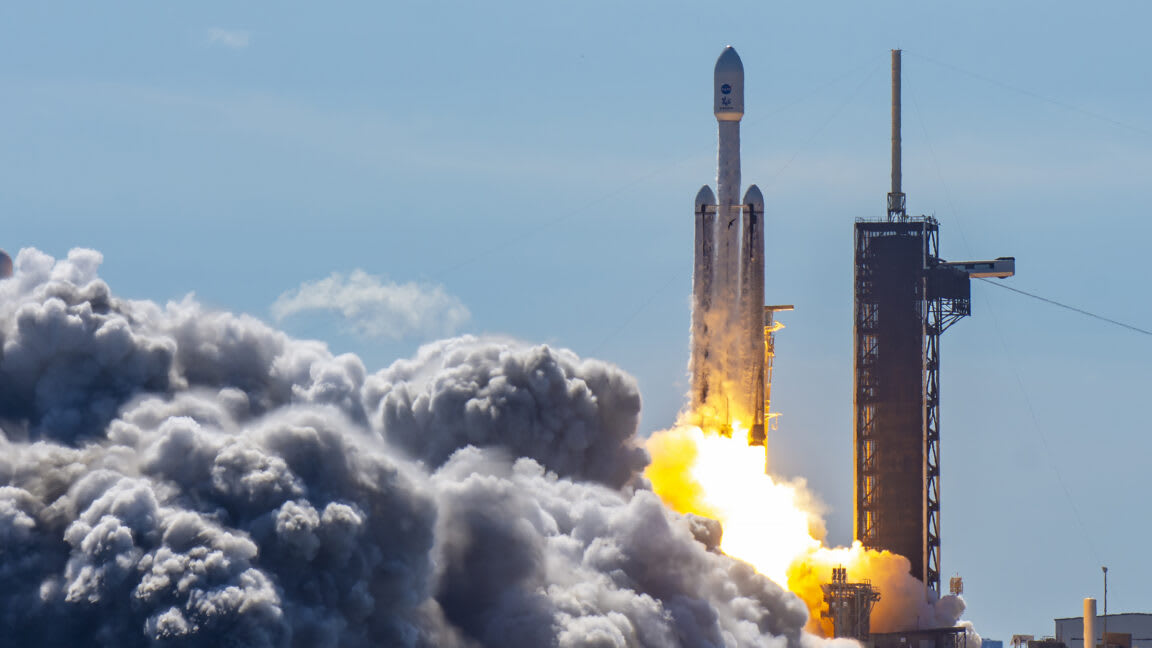
The U.S. Space Force has significantly increased the value of its National Security Space Launch (NSSL) Phase 3 contract to $17 billion. This shift reflects growing Pentagon demand for satellite capabilities and a broader push for increased launch frequency under the current administration.
The Strategic Expansion of U.S. Space Launch Capabilities
The U.S. Space Force has made a significant strategic pivot, announcing a massive expansion in the financial ceiling for its National Security Space Launch (NSSL) Phase 3 contract. By tripling the maximum value of this contract to $17 billion—up from a previous $5.6 billion—the military is signaling a fundamental shift in how it views orbital access. This decision is not merely a budgetary adjustment; it is a direct response to the increasing demands placed upon the Space Force by the Trump administration to bolster national security assets in space.
Understanding the NSSL Framework
The NSSL program serves as the backbone of the Pentagon’s ability to place critical military satellites into orbit. Overseen by the Space Systems Command, the program is designed to provide the military with a competitive pool of private launch providers. By maintaining this pool, the Space Force can ensure mission success through redundant launch options, allowing officials to select the most appropriate provider for specific, high-stakes military requirements.
The Two-Lane Approach to Orbital Access
A critical component of this expansion is the NSSL’s two-lane structure. Lane 1, as noted in recent reports, is specifically tailored for risk-tolerant missions. This includes medium-lift launches that carry experimental payloads or rideshare missions. By segmenting the program this way, the Space Force can foster innovation and reduce costs for non-critical hardware, while reserving more robust, high-security lanes for the most sensitive national defense infrastructure.
Geopolitical and Administrative Drivers
The decision to escalate spending is driven by the clear directive from the Trump administration to increase the tempo of military operations in the space domain. As the Pentagon signals a rising demand for satellite launches, it is clear that space is being prioritized as a primary theater for national security. This $17 billion ceiling suggests that the U.S. government expects a significant increase in the number of assets deployed to orbit in the coming years.
Future Trends and Market Implications
Looking ahead, this expansion will likely reshape the commercial aerospace industry. With a $30 billion total potential investment horizon hinted at by the scale of these contract updates, private launch providers are incentivized to invest heavily in launch frequency and reliability. As the Space Force continues to increase its mission cadence, we can expect a highly competitive environment where private companies vie for a slice of this massive government commitment, ultimately accelerating the pace of space exploration and military satellite deployment.
Multiple Citing Sources