The Space Force is now seeking to buy up to $30 billion in rocket launches
Source Entity
Stephen Clark
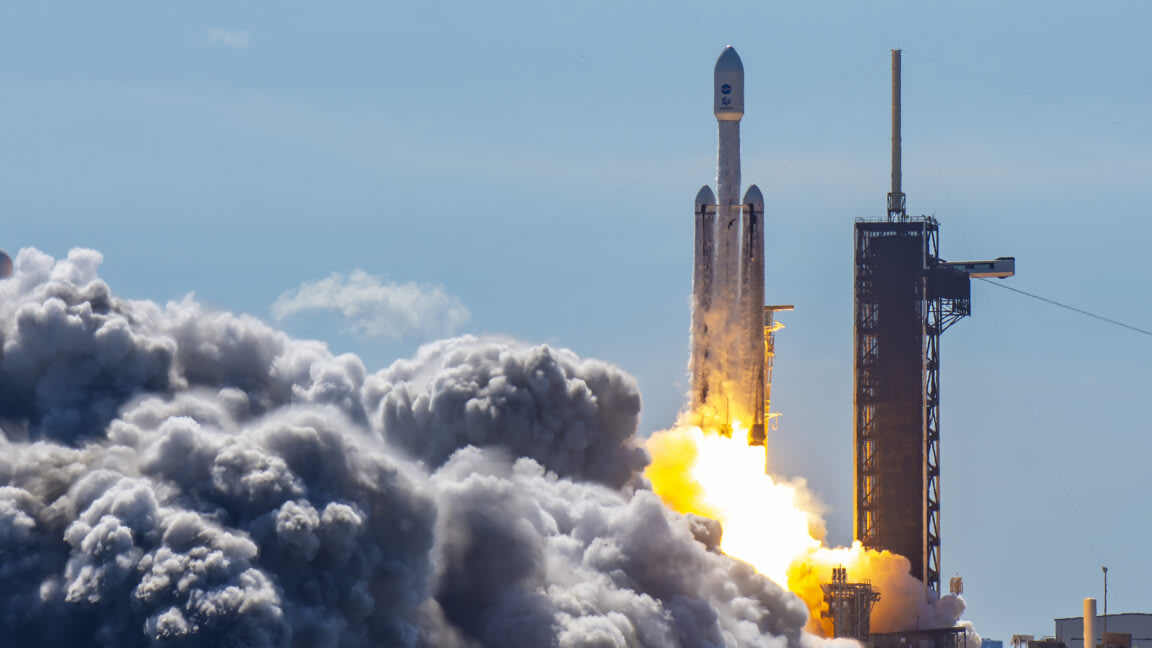
The U.S. Space Force has tripled its National Security Space Launch contract capacity to $17 billion, with potential total spending reaching $30 billion. This expansion reflects the Pentagon's growing demand for satellite deployment to support increased military operational requirements.
The Expanding Horizon of U.S. Space Operations
The U.S. Space Force has officially announced a significant escalation in its orbital ambitions, tripling the maximum value of its National Security Space Launch (NSSL) Phase 3 contract to $17 billion. This decision, moving up from an initial $5.6 billion valuation, underscores the rapidly shifting priorities of the Pentagon as it seeks to secure American dominance in the space domain. With the Trump administration pushing for more aggressive space-based capabilities, the infrastructure required to put assets into orbit must scale proportionally.
Understanding the NSSL Program Structure
The NSSL program serves as the backbone of the military's launch strategy, managed by the Space Systems Command. This framework is designed to provide the military with a flexible pool of launch providers, ensuring that mission-critical satellites can reach orbit without relying on a single point of failure. The program is bifurcated into distinct 'lanes,' with Lane 1 specifically catering to risk-tolerant missions. These include experimental payloads and rideshare opportunities, which allow for rapid iteration and testing of new technologies in a cost-effective manner.
Drivers of Financial Expansion
The jump to a $17 billion contract ceiling—and the broader goal of potentially securing $30 billion in launch capacity—is a direct response to the rising demand for military satellite constellations. As the geopolitical landscape shifts, the need for enhanced surveillance, communication, and reconnaissance capabilities from space has never been higher. The administration's mandate for increased launch frequency is not merely a logistical challenge but a strategic necessity to maintain a technological edge against emerging global threats.
Strategic Implications for Launch Providers
By expanding the contract ceiling, the Space Force is signaling to the private aerospace sector that there is a long-term, lucrative market for reliable launch services. This encourages competition among private providers who are now incentivized to invest in their own infrastructure to meet the Pentagon's stringent requirements. The NSSL model effectively crowdsources the innovation required to keep launch costs manageable while maintaining high standards of mission assurance for sensitive government hardware.
Future Trends in Orbital Logistics
Looking ahead, the shift toward a $30 billion total investment suggests that the Space Force is preparing for a future where space-based assets are replaced or augmented at a much faster pace than in previous decades. The reliance on commercial partners to facilitate these launches will likely continue to grow, as the military seeks to leverage the cost-efficiencies inherent in the private market. This trajectory points toward a permanent increase in the frequency of launch activities, fundamentally changing the logistical footprint of the United States military in low-Earth orbit and beyond.
Conclusion
The dramatic increase in the NSSL contract ceiling is a clear indicator of the U.S. military’s pivot toward a more robust space posture. By tripling the contract value, the Space Force is ensuring that it has the financial and operational bandwidth to meet the high-tempo requirements set by the current administration. As this program matures, the integration of commercial launch capabilities will remain the defining feature of American space defense strategy.
Multiple Citing Sources