Space stocks are falling hard — but SpaceX doesn’t deserve all of the blame
Source Entity
William Gavin
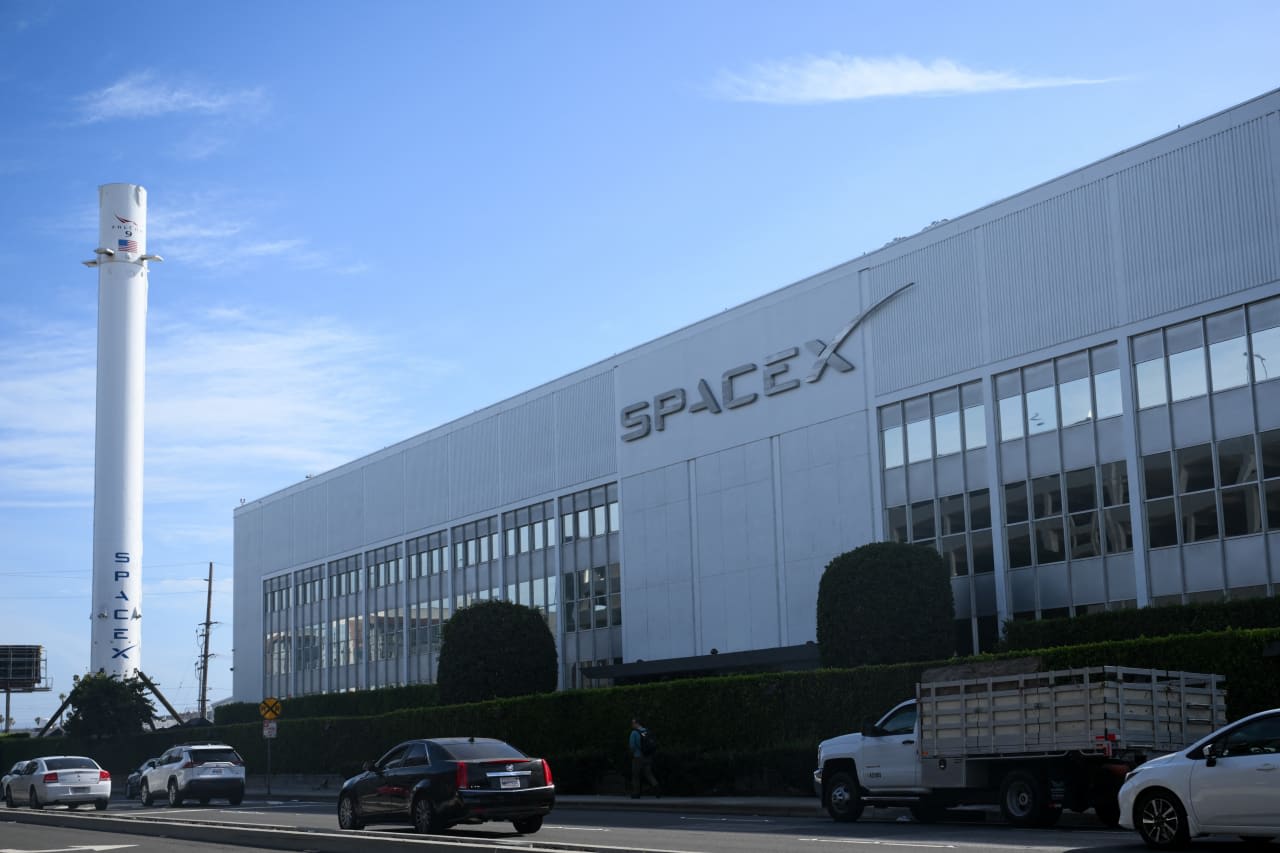
Space sector stocks are facing a downturn as investors grow wary of a potential decline in defense spending. Market instability is being exacerbated by fears of legislative gridlock in Congress.
The Cooling Climate of Space Sector Investments
Recent market trends indicate a notable cooling in the space and defense sectors, as investors grapple with the uncertainty surrounding future government expenditure. While high-profile entities like SpaceX often dominate the narrative, the current volatility is rooted in broader macroeconomic concerns rather than the performance of any single company. The market is increasingly reflecting a sentiment that we may have reached a threshold of "peak" defense spending, a realization that is prompting a defensive posture among institutional and retail investors alike.
The Impact of Legislative Uncertainty
A primary driver of this market anxiety is the prospect of a divided Congress. In the United States, defense budgets are intrinsically linked to legislative consensus. When the political landscape suggests potential gridlock, the long-term predictability of government contracts—the lifeblood of major aerospace and defense firms—becomes compromised. Markets thrive on stability, and the anticipation of a fractured legislative branch creates a risk premium that investors are currently unwilling to absorb.
Decoupling from SpaceX
It is critical to distinguish between the private successes of companies like SpaceX and the broader market health of public defense contractors. While SpaceX continues to achieve significant milestones in launch technology and satellite deployment, the stock market's current downward trajectory for space-related equities is not a direct reflection of SpaceX's operational health. Instead, it is a macroeconomic reaction to the fiscal environment. Investors are decoupling the "space hype" from the "defense spending reality," recognizing that government budget cycles are a more powerful determinant of stock price than technological innovation alone.
Historical Context of Defense Cycles
Historically, defense spending has moved in cyclical patterns, often driven by geopolitical tensions and subsequent periods of fiscal consolidation. We are currently observing a transition phase where the market is attempting to price in the end of a growth cycle. The fear of "peak" spending suggests that the massive budget increases seen in previous years may be unsustainable, forcing investors to pivot toward more conservative assets as they hedge against potential budgetary stagnation.
Future Trends and Market Outlook
Looking ahead, the volatility in space stocks is likely to persist until there is greater clarity regarding the federal budget and the composition of Congress. If defense appropriations continue to face scrutiny or potential cuts, the sector may undergo a period of consolidation. However, the underlying demand for space-based infrastructure—ranging from national security satellites to global communications—remains robust. Investors who can look past the current political noise may find that the long-term utility of the space economy remains intact, even if the short-term capital flows are currently being restricted by fiscal caution.
Conclusion
The current downturn in space stocks serves as a reminder that even the most innovative sectors are not immune to the gravitational pull of political and fiscal reality. As we navigate a period of potential legislative division, the market is recalibrating its expectations for defense-heavy portfolios. While the immediate outlook is one of caution, the industry's ability to adapt to a tightening budget environment will ultimately define the next phase of growth in the space sector.
Verification Required?