SpaceX aborts Starship test flight, sending stock lower
Source Entity
US Top News and Analysis
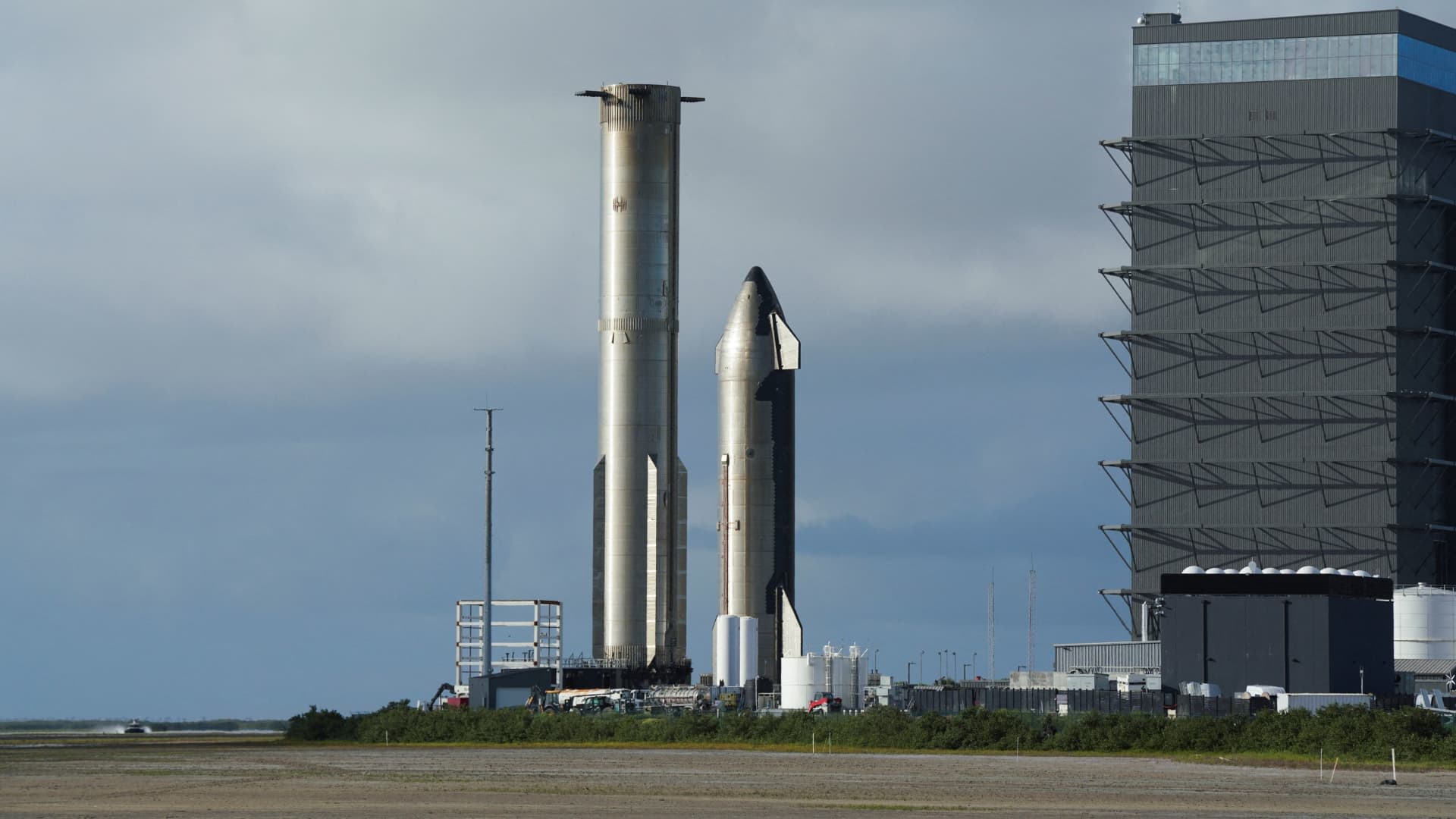
SpaceX scrubbed its Starship V3 test flight due to Raptor engine start failures, leading to a 3% drop in stock price. CEO Elon Musk plans to replace two engines and attempt a relaunch early next week.
SpaceX Starship V3 Launch Abort and Market Volatility
SpaceX's recent attempt to launch the Starship V3 mega rocket ended in a scrub on Thursday, sending immediate ripples through the financial markets. The event, occurring shortly after the company's highly anticipated initial public offering (IPO), highlighted the precarious balance between cutting-edge aerospace engineering and the expectations of public shareholders. While the company has historically been known for its "fail fast, learn fast" iteration cycle, the immediate 3% dip in extended trading suggests that public investors may have a lower tolerance for technical setbacks than previous private backers.
Technical Failures and the Raptor Engine
The failure was rooted in the rocket's complex propulsion system. According to CEO Elon Musk, several engines failed to ignite during the launch sequence, which automatically triggered a launch abort to ensure safety and preserve the vehicle. To rectify this, SpaceX technicians are tasked with removing and replacing two Raptor engines. This specific technical hurdle underscores the immense complexity of the V3's propulsion array, where the perfect synchronization of numerous high-pressure engines is critical for lifting the roughly 400-foot-tall structure off the pad.
The Evolution of Starship V3
The Starship V3 represents a significant upgrade over previous iterations, aiming for greater payload capacity and enhanced reliability. However, the path to perfection has been inconsistent; a previous test launch of the V3 in May did not go perfectly, indicating that the upgraded version is still in a volatile phase of development. The transition to V3 is a pivotal step in SpaceX's long-term goal of interplanetary travel and heavy-lift capabilities, making every test flight a high-stakes event for the company's technical roadmap.
Impact of the Blockbuster IPO
The timing of this abort is particularly sensitive due to SpaceX's recent transition to a public company. The "blockbuster" IPO last month shifted the company's accountability from a small group of private investors to the broader public market. In the private sector, a scrubbed launch is often viewed as a standard data-gathering exercise; however, in the public eye, it is frequently interpreted as a risk factor, as evidenced by the immediate decline in share price. This shift introduces a new layer of pressure on Elon Musk to maintain a transparent and successful flight cadence to satisfy shareholders.
Future Outlook and Recovery
Looking ahead, the window for the next attempt is narrow, with Musk pledging a relaunch "hopefully in a few days," and more specifically, aiming for early next week. The success of this upcoming flight is crucial not just for technical validation, but for stabilizing investor confidence. If the replacement of the Raptor engines resolves the ignition issues, SpaceX can demonstrate the resilience of the V3 architecture. Conversely, repeated failures could lead to prolonged stock volatility and increased scrutiny of the company's operational timelines.
Summary of Implications
In summary, the Starship V3 scrub is a stark reminder of the inherent risks involved in aerospace innovation. While the technical failure of the Raptor engines caused a short-term financial setback, the ability to rapidly diagnose and replace components remains a hallmark of SpaceX's operational strategy. The upcoming launch will serve as a litmus test for whether the company can successfully navigate the demands of being a public entity while continuing to push the boundaries of rocket science.