Experts warn current Starship heat shield tech is a "dead end" for rapid reuse
Source Entity
Eric Berger
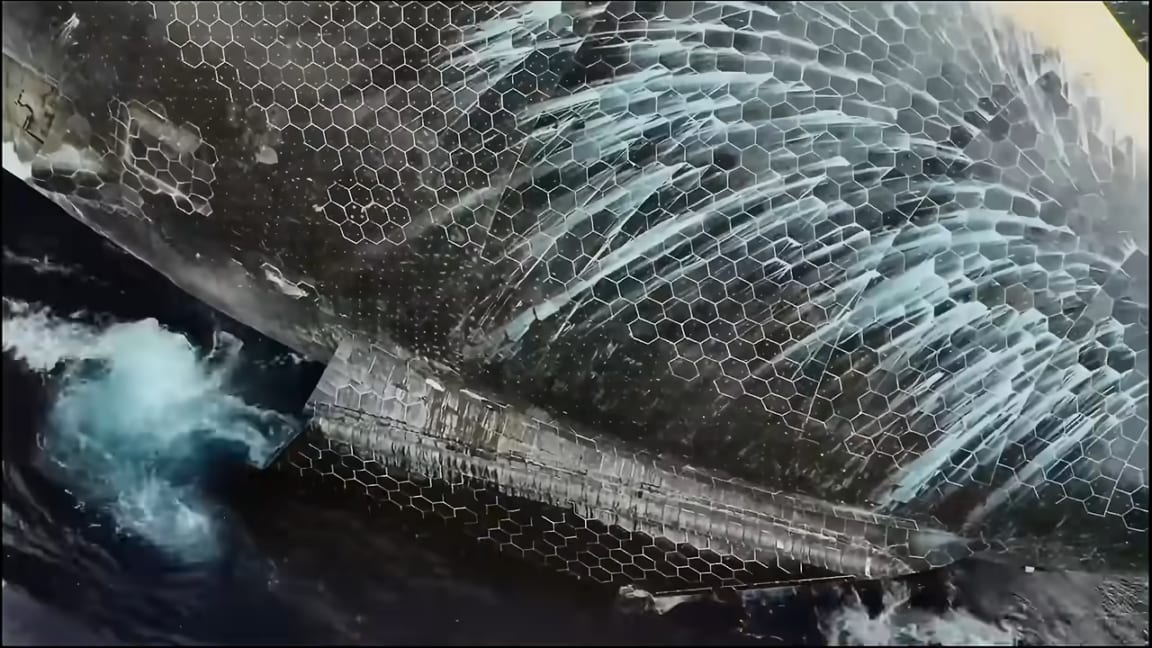
SpaceX's recent Starship test flight highlights significant progress in rocket reusability, yet experts caution that the current ceramic tile heat shield may be a technological dead end. Addressing this thermal protection challenge is critical for achieving the rapid turnaround required for Starship's operational success.
The Starship Heat Shield Dilemma
SpaceX recently celebrated a significant milestone with its 13th Starship test flight, demonstrating remarkable engineering progress that brings the massive vehicle closer to orbital capabilities. The ability to launch, deliver payloads, and return to the launch site for a 'catch' maneuver signifies a paradigm shift in aerospace logistics. However, beneath the success of the flight dynamics lies a persistent and potentially existential challenge: the durability and reliability of the vehicle’s thermal protection system (TPS).
The Vulnerability of Ceramic Tiles
The current heat shield design relies on approximately 18,000 individual ceramic tiles affixed to the Starship’s underbelly. These tiles are designed to withstand the extreme temperatures of atmospheric reentry, yet they remain a primary point of failure. The fragility of these components complicates the goal of rapid reusability, as each tile requires meticulous inspection and potential replacement between flights. Experts are increasingly vocal about the limitations of this approach, suggesting that it may be a technological dead end for a system intended to operate with the frequency of an aircraft.
A Legacy of Stagnation
One of the most significant hurdles facing SpaceX is a broader industry trend of stagnation. For decades, NASA has not made substantial investments in thermal protection research, leaving the aerospace sector without a modern, scalable alternative to legacy tile technology. The lack of institutional focus on advanced heat shielding means that SpaceX is essentially pioneering solutions in a vacuum, without the benefit of a robust, government-funded research pipeline to draw upon for next-generation materials.
The Reusability Imperative
For Starship to fulfill its promise of revolutionizing space travel, the turnaround time between missions must be minimized. The current maintenance burden imposed by the tile-based heat shield directly contradicts the vision of rapid, cost-effective reusability. If the vehicle requires extensive repairs or tile replacement after every reentry, the economic model of Starship—which relies on high-cadence flight schedules—could be severely undermined.
Future Implications and Trends
Looking ahead, the evolution of Starship will likely depend on whether SpaceX can innovate a more resilient, integrated thermal protection system. The industry is watching closely to see if current iterative improvements will suffice or if a radical pivot to new material science is necessary. The resolution of this issue is not merely a technical detail; it is the linchpin that will determine whether Starship becomes a sustainable workhorse for orbital delivery or remains a prototype limited by its own maintenance requirements.
Conclusion
While the 13th test flight proved that SpaceX has mastered the immense scale of Starship’s launch and landing mechanics, the heat shield remains the critical 'missing link.' Balancing the raw power of the Starship vehicle with the delicate nature of its current thermal protection system will be the defining engineering challenge of the next few years. Success will require moving beyond the legacy of limited investment and toward a more durable, low-maintenance approach to surviving the harsh environment of reentry.