Storm Uproots Trees, Disrupts Road Connectivity In Assam's Sadia, 1 Killed
Source Entity
NDTV News Search Records Found 1000
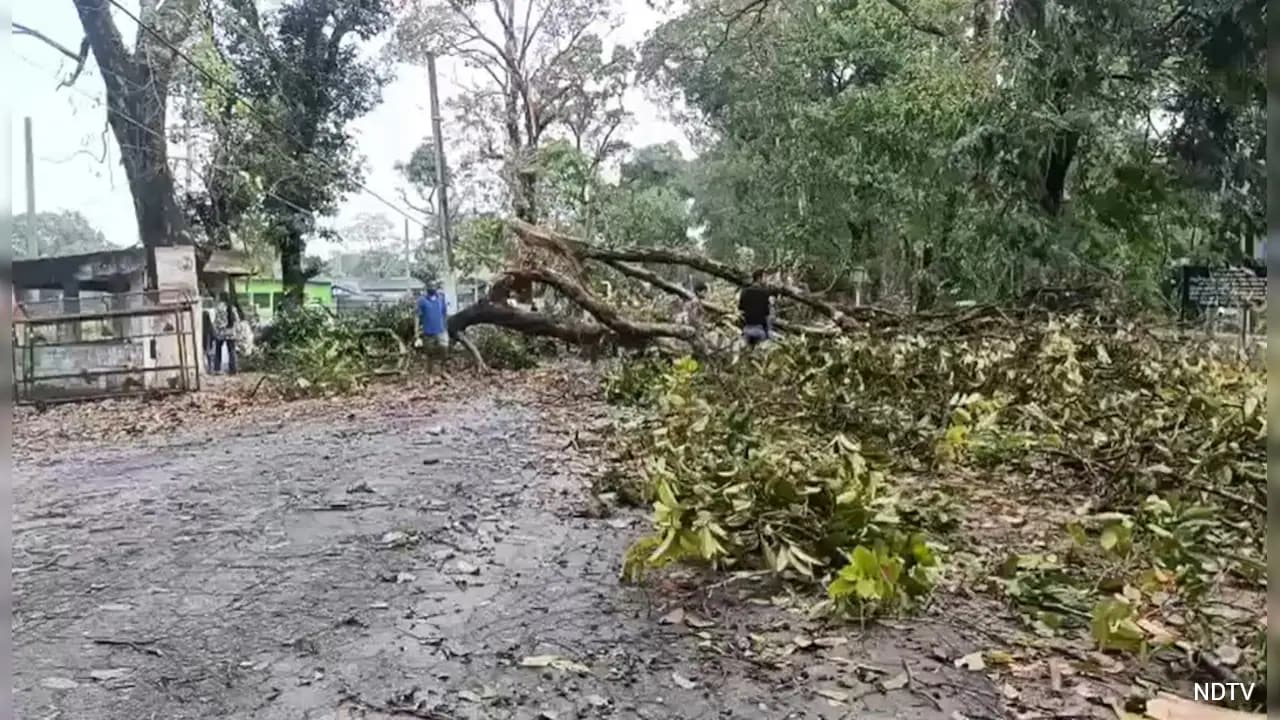
A powerful storm in Assam's Sadiya region caused significant destruction, uprooting trees along NH 115 and resulting in one fatality. The incident has severely disrupted road connectivity, hindering local transit and emergency efforts.
Storm Devastation in Assam: A Critical Infrastructure Crisis
A severe storm struck the Sadiya region of Assam, leading to a tragic loss of life and widespread infrastructural paralysis. The weather event, characterized by intense winds, resulted in the uprooting of massive trees that spanned a critical 4-5 kilometre stretch of National Highway 115. This blockage has effectively severed a vital transport artery, creating immediate logistical challenges for the local population and emergency service providers.
The Impact on NH 115 Connectivity
National Highway 115 serves as a lifeline for the Sadiya region, facilitating the movement of goods, medical supplies, and commuters. The sudden obstruction caused by the fallen trees has halted vehicular movement, creating a bottleneck that complicates the delivery of essential services. Given the geographical terrain of Assam, where road connectivity is often the primary means of transport, such disruptions are not merely inconveniences but significant impediments to regional stability and economic activity.
Assessing the Human and Environmental Toll
The loss of a human life underscores the severity of the storm and the inherent dangers posed by extreme weather patterns in the region. Beyond the tragic fatality, the environmental impact of uprooted trees along such a long stretch of highway highlights the vulnerability of regional infrastructure to sudden meteorological shifts. The clearing of these massive obstacles requires heavy machinery and coordinated efforts from local disaster management teams, which are often stretched thin during such emergencies.
Broader Implications for Regional Safety
This incident serves as a stark reminder of the need for improved disaster preparedness and infrastructure resilience in Northeast India. As extreme weather events become more frequent, the maintenance of highway corridors—including the proactive trimming of hazardous vegetation and the implementation of early warning systems—becomes paramount. The current situation on NH 115 is a microcosm of the broader challenges faced by authorities in maintaining connectivity in a region prone to natural disasters.
Looking Ahead: Recovery and Future Trends
As recovery efforts continue, the immediate priority remains the total clearance of NH 115 to restore regional transit. Looking forward, local authorities will likely need to conduct a thorough audit of roadside tree health to prevent similar blockages in the future. The incident highlights the necessity of integrating climate-resilient road engineering into regional development plans to ensure that human life and economic continuity are better protected against the unpredictability of nature.
Verification Required?