Suica, Japan's First IC Transit Card
Source Entity
Hacker News
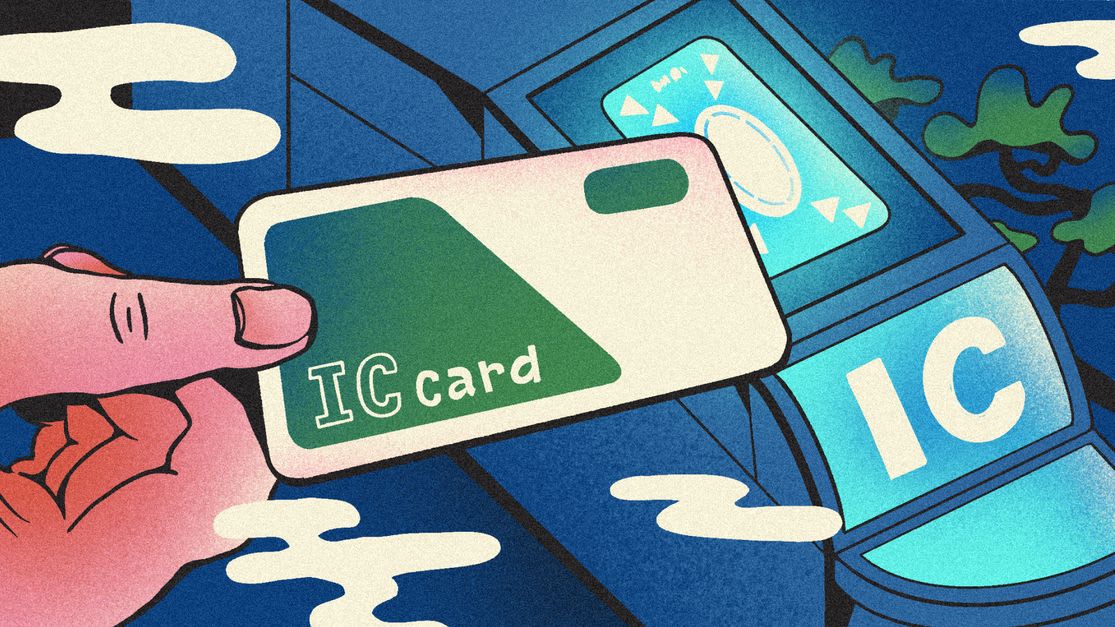
Suica, Japan's pioneering IC transit card, revolutionized urban mobility through its rapid, battery-free contactless technology. Developed in the 1990s, this system remains a global benchmark for efficient, reliable public transportation payment infrastructure.
The Evolution of Japan's Suica Transit System
Japan’s Suica card represents a landmark achievement in urban infrastructure, fundamentally transforming how millions navigate the country’s complex rail networks. Developed in the 1990s, the Suica (Super Urban Intelligent Card) system introduced a seamless, contactless payment experience long before the widespread adoption of modern NFC (Near Field Communication) technology in the consumer market. By allowing passengers to tap through station gates in a fraction of a second, the system optimized passenger flow, effectively managing the immense density of Japanese commuters.
Engineering Without Batteries
One of the most impressive feats of the Suica system is its ability to function without an internal power source or a constant connection to the internet. The card operates on passive RFID technology, where the station gate provides the necessary electromagnetic field to power the chip during the brief moment of contact. This design choice was vital for durability and user convenience, ensuring that the card remains functional for years without the need for charging or hardware maintenance, a standard that remains highly relevant in today’s mobile-heavy landscape.
The Complexity of Rapid Transactions
While the user experience is defined by simplicity—a quick tap—the backend process is remarkably complex. When a user taps their card, the system must authenticate the unique identity stored on the chip and update the balance in real-time, all within milliseconds. This rapid data exchange was a significant engineering hurdle in the 1990s, requiring robust, synchronized database management systems across countless entry and exit points to prevent fraud and ensure accurate fare calculation.
Overcoming Early Challenges
The introduction of Suica was not without its obstacles. Before the era of cashless dominance, the transition from paper tickets to electronic IC cards required significant cultural and logistical shifts. The project faced technical and operational challenges that forced engineers to refine the interaction between the card’s integrated circuit and the station hardware. This period of development served as a critical testing ground for contactless payment standards, influencing how transit authorities worldwide would eventually implement their own digital ticketing systems.
A Legacy of Innovation
Today, Suica is more than just a transit card; it is a testament to Japanese engineering foresight. By prioritizing speed, reliability, and offline functionality, the developers created a system that feels modern even decades after its inception. As we look at the broader implications, the Suica model has paved the way for the integration of transit payments into modern smartphones, yet the core principles of its original design remain the bedrock of Japan’s efficient public transportation ecosystem. It serves as a reminder that the most successful technologies are often those that solve a fundamental human problem—in this case, the friction of daily travel—with elegant, robust engineering.