Suicide blast at Swat peace rally: The many layers of violence in Pakistan province
Source Entity
Tabshir Shams
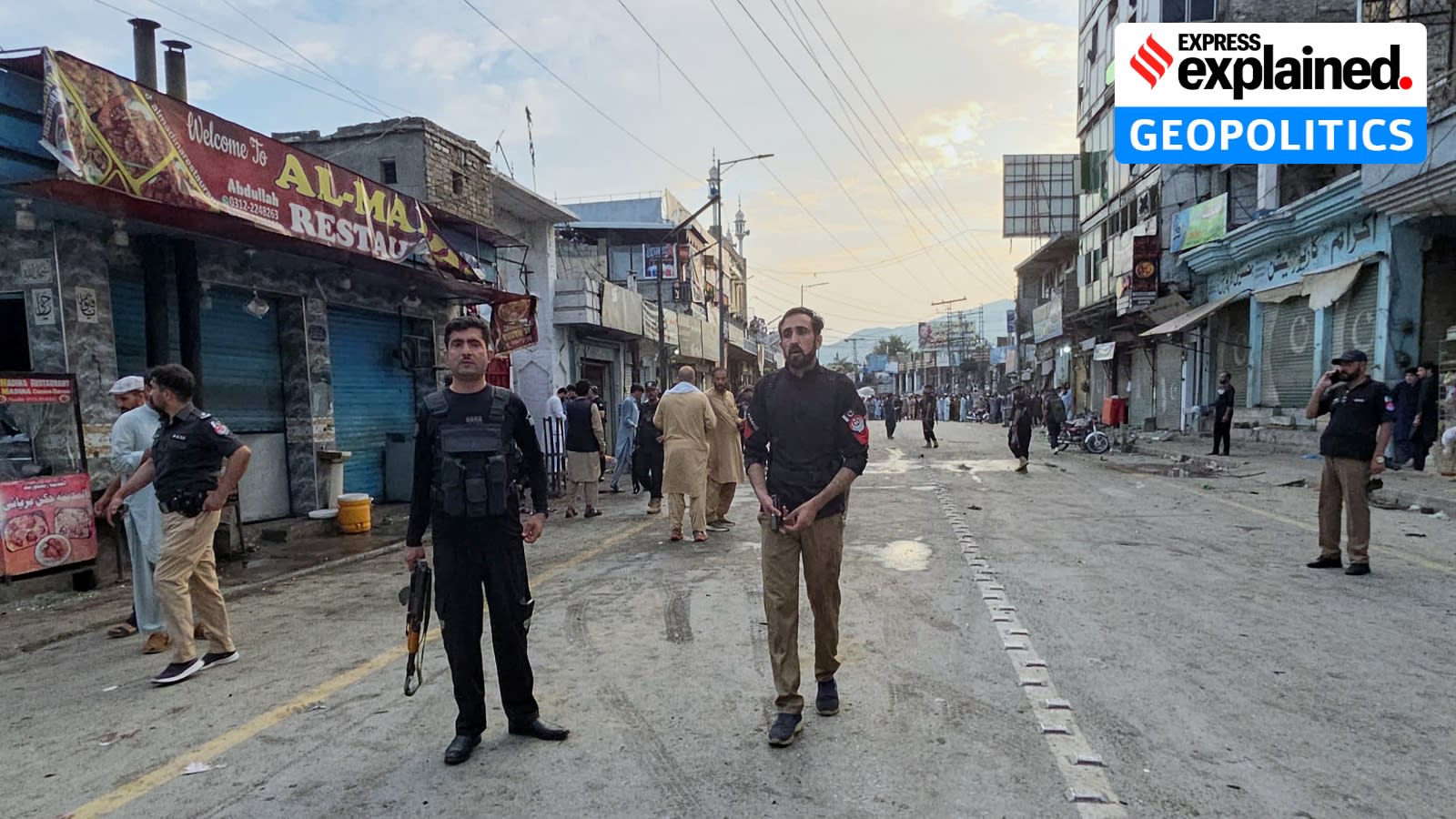
A suicide bombing at a peace rally in Pakistan's Swat Valley has resulted in at least 17 deaths. The attack targeted civilians and police officers, highlighting the persistent security crisis in the Khyber Pakhtunkhwa province.
The Swat Valley Tragedy: A Blow to Regional Stability
The recent suicide bombing in the Kabal town of Pakistan’s Swat Valley represents a harrowing escalation in the regional struggle against militancy. On Sunday, August 2, a peaceful assembly organized by the Swat Aman Jirga—a local tribal council—was shattered when a suicide bomber struck the gathering near a police station. The resulting explosion claimed at least 17 lives, primarily consisting of civilians and law enforcement officers, while leaving over two dozen individuals wounded. This event serves as a grim reminder of the volatility that continues to plague the Khyber Pakhtunkhwa (KP) province.
The Anatomy of the Attack
Targeting an anti-militant rally is a calculated strategic choice by extremist elements. By attacking a gathering specifically organized to demand 'peace and calm,' the perpetrators aimed to silence grassroots dissent and sow fear among those actively advocating for stability. The choice of location—a town within the Swat Valley—carries significant symbolic weight, given the region's historical vulnerability to insurgent activity. The proximity of the explosion to a police station suggests a dual intent: to destabilize the civilian peace movement and to directly challenge the local security apparatus.
A Broader Security Crisis
This tragedy does not occur in a vacuum but is part of a deteriorating security climate in Pakistan. Official data provided by the Pakistan Armed Forces, as cited in recent reports, indicates a alarming trend in national security. With 3,145 terror-related incidents reported in 2026, the nation is facing one of its most challenging years in recent history. The sheer volume of these incidents underscores the persistent difficulty the state faces in curbing militant operations, particularly in border regions like KP.
Historical Context and Regional Implications
Historically, the Swat Valley has been a focal point for militant activity, necessitating significant military interventions in the past. The resurgence of violence suggests that the underlying drivers of extremism remain potent. When tribal councils like the Swat Aman Jirga attempt to reclaim public space for peace, they often become targets for groups seeking to maintain a climate of chaos. This dynamic traps local populations in a cycle of fear, where the simple act of protesting for peace invites lethal retribution.
The Path Forward
The implications of this attack are profound for Pakistan's internal security policy. The reliance on local jirgas to facilitate peace is a testament to the community's desire for safety, yet the vulnerability of these gatherings highlights the limitations of current protection strategies. Moving forward, the government and security forces face the daunting task of re-evaluating their counter-terrorism measures to ensure that civilians, who are increasingly becoming the primary victims of these attacks, can exercise their right to peaceful assembly without the threat of catastrophic violence.
Conclusion
In summary, the suicide bombing in Kabal is a devastating event that underscores the persistent and evolving threat of terrorism in Pakistan. As the death toll rises and the nation grapples with record-high security incidents, the need for a comprehensive and effective strategy to address the root causes of this violence has never been more urgent. The resilience of the people in the Swat Valley, despite such heavy losses, remains the only beacon of hope in a deeply troubled security landscape.