SC refuses interim bail for Umar Khalid, Sharjeel Imam, says will await larger bench UAPA decision
Source Entity
Latest News: Todays Latest News Headlines from India & World | Hindustan Times
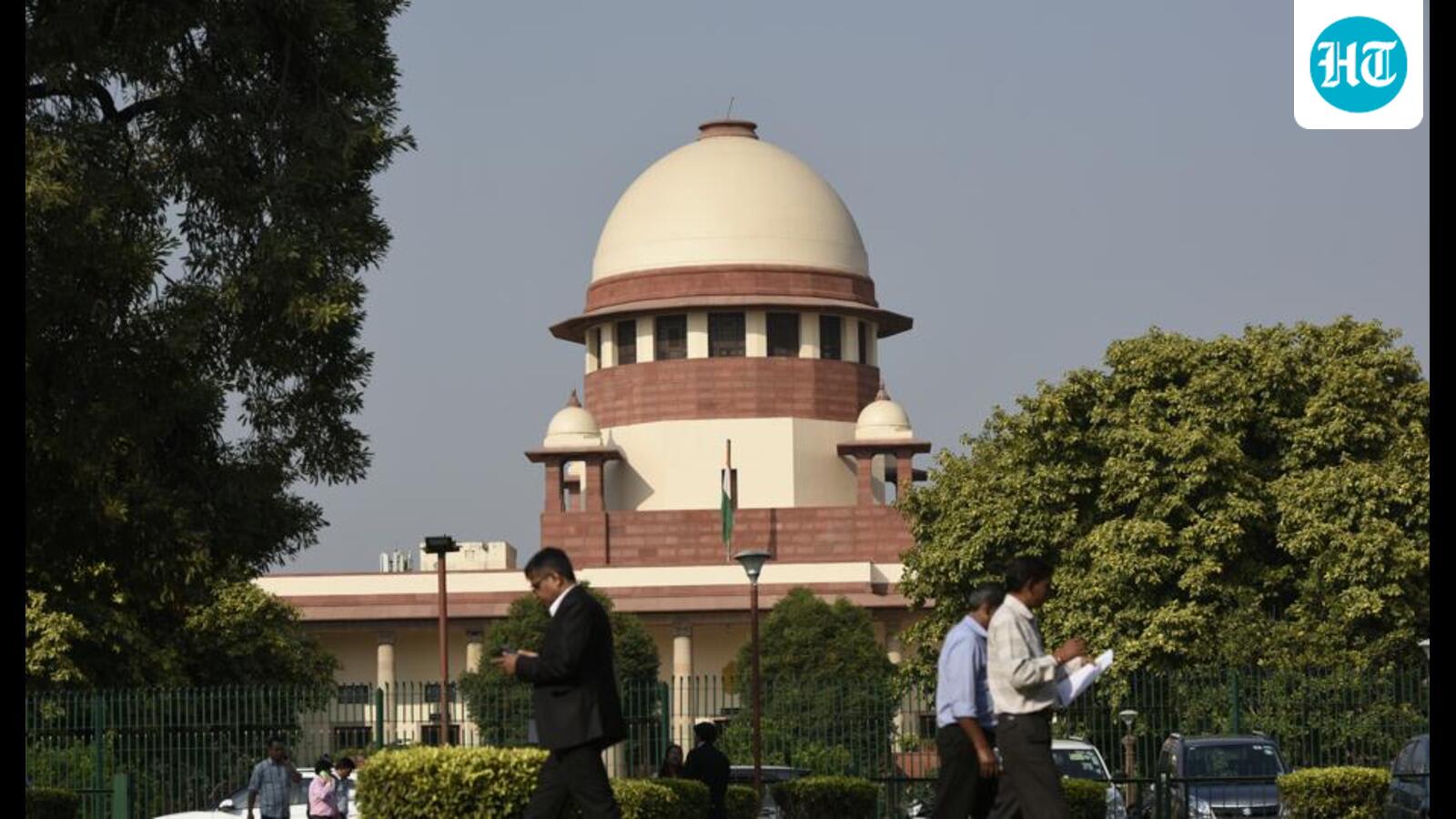
The Supreme Court of India is currently reviewing bail pleas for Umar Khalid and Sharjeel Imam regarding their roles in the 2020 Delhi riots. The court has issued notice to the Delhi Police while deferring interim relief until a larger bench decides on the impact of trial delays under the UAPA.
Legal Stagnation and the UAPA Dilemma
The Supreme Court of India has once again taken up the bail petitions of former JNU scholar Umar Khalid and activist Sharjeel Imam, both of whom have been incarcerated for over six years in connection with the 2020 Delhi riots. The proceedings, currently led by a bench headed by Chief Justice of India Surya Kant, mark a critical juncture in a case that has drawn significant attention due to the invocation of the Unlawful Activities (Prevention) Act (UAPA).
The Hierarchy of Participation
A primary point of contention in these legal proceedings is the judicial determination that the accused occupy a "qualitatively different footing" compared to other co-accused who have previously been granted bail. In previous orders, specifically the January 5 directive, the Supreme Court distinguished the roles of Khalid and Imam, placing them higher in the perceived hierarchy of the alleged larger conspiracy. This distinction has served as a significant hurdle for their release, as the court has historically exercised extreme caution regarding the nature of the charges under the stringent anti-terror law.
Impact of Trial Delays
The core of the current legal battle rests on the procedural delays surrounding the examination of protected witnesses. With the prosecution having cited over 900 witnesses, including 47 protected individuals, the pace of the trial has become a central argument for the defense. Senior advocates Kapil Sibal and Siddharth Dave have pushed for interim bail, arguing that the prolonged incarceration without a conclusion to the trial constitutes a significant injustice, especially as the one-year embargo previously set by the court nears its expiration.
The Role of the Larger Bench
The Supreme Court has explicitly stated that it will not grant interim bail until a decision is reached by a three-judge bench regarding whether the delay in trial can be considered a valid ground for bail under the UAPA. This is a pivotal legal development, as it suggests the court is looking to establish a broader precedent regarding the balance between the state's interest in national security and the individual's right to a speedy trial, even under restrictive legislative frameworks.
Broader Implications and Future Trends
This case highlights the ongoing tension between the state's utilization of the UAPA and the judiciary's role in safeguarding constitutional rights. The outcome of the three-judge bench hearing will likely set a significant precedent for how UAPA cases are handled in the future, particularly concerning the duration of pre-trial detention. As the court awaits input from the Delhi Police, the legal community remains observant, as the ruling will dictate whether procedural delays can eventually override the stringent "higher footing" threshold currently barring the release of these high-profile detainees.
Verification Required?