SC issues notice to Centre, poll body on blanket immunity to CEC
Source Entity
ROHITASHWA RANJAN
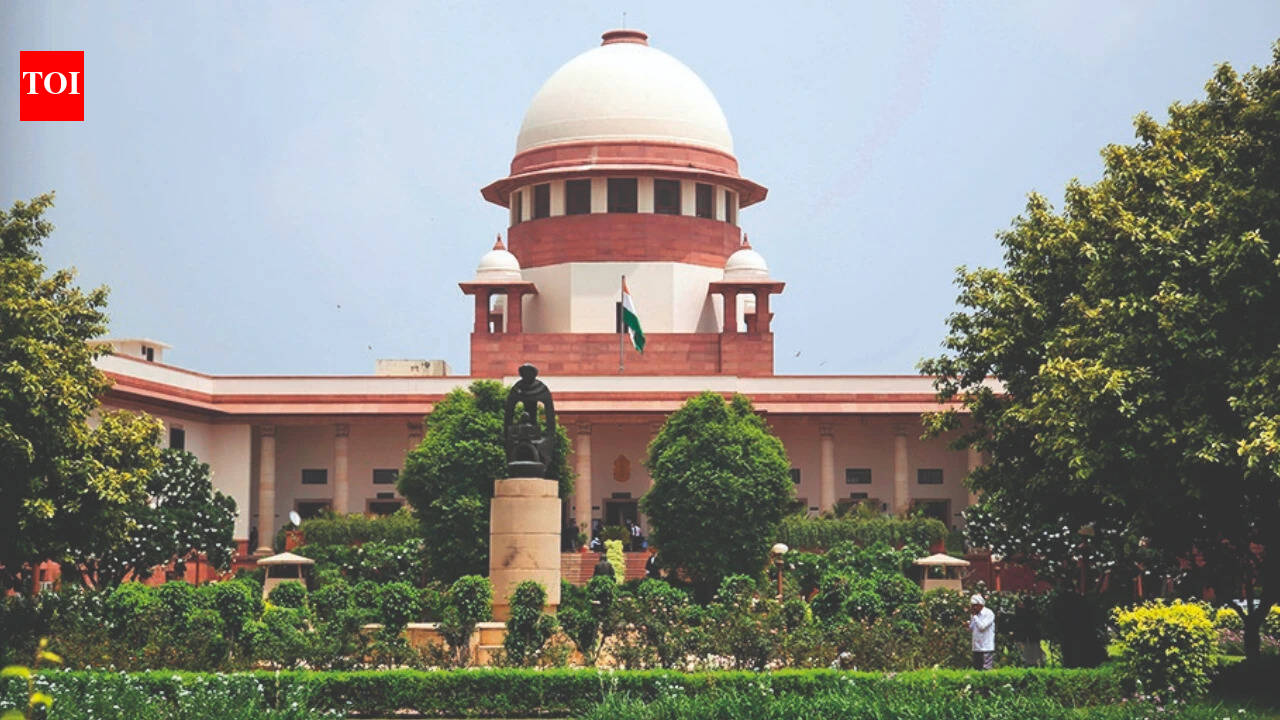
The Supreme Court has issued notices to the Centre and the Election Commission regarding a challenge to the 'blanket immunity' granted to top election officials. This legal challenge focuses on the controversial Section 16 of the 2023 Act, which protects commissioners from legal proceedings for official actions.
Judicial Scrutiny of Election Commission Immunity
The Supreme Court of India has taken a significant step in judicial oversight by issuing notices to the Centre and the Election Commission of India (ECI) regarding the controversial 'blanket immunity' granted to the Chief Election Commissioner (CEC) and other Election Commissioners. This legal challenge, initiated by activist Arun Kumar Agrawal, targets Section 16 of the Chief Election Commissioner and Other Election Commissioners (Appointment, Conditions of Service and Term of Office) Act, 2023. By questioning the constitutional validity of this protection, the judiciary is asserting its role as the ultimate arbiter of administrative accountability within the democratic framework.
The Legal Contention: Section 16
At the heart of the litigation is the provision that shields election officials from legal accountability for decisions made in the course of their duties. Critics, including the petitioners, argue that such absolute immunity could potentially create an environment where institutional overreach goes unchecked. The Supreme Court bench, led by Chief Justice of India Surya Kant alongside Justices Joymalya Bagchi and V Mohana, is now tasked with determining whether this statutory protection infringes upon the principle of the rule of law and the accountability required for constitutional bodies.
Context of Prior Litigation
This is not the first time the apex court has been approached regarding this specific statutory provision. The court is already actively considering a similar challenge filed by the NGO Lok Prahari. During proceedings in January, the Supreme Court acknowledged the gravity of the petition by issuing notices but notably declined to grant an immediate stay on the provision. This current development indicates a sustained and deepening interest from the judiciary in examining the balance between protecting institutional autonomy and ensuring legal accountability.
Broader Implications for Democratic Governance
The Election Commission is a pillar of Indian democracy, and its insulation from political interference is essential for free and fair elections. However, the legal debate centers on whether 'insulation' has morphed into 'impunity.' If the court finds that Section 16 provides an overly broad shield, it could lead to significant amendments in how election officials are held accountable for their administrative and quasi-judicial decisions. This case highlights the perpetual tension between providing officials the freedom to make tough choices and ensuring they remain answerable to the law.
Future Trends and Judicial Oversight
As the Supreme Court continues to deliberate on these petitions, the outcome will likely set a major precedent for the autonomy and liability of constitutional functionaries. Future trends suggest a more rigorous judicial review of statutes that grant blanket protections to government appointees. By maintaining a focus on the necessity of checks and balances, the judiciary is signaling that no office, regardless of its importance to the electoral process, is entirely beyond the reach of legal scrutiny. The court's final verdict will be a definitive moment in defining the limits of power for the Election Commission in the modern democratic era.