SC says ‘will examine’ petitioners’ ‘innocuous’ plea to direct ECI to preserve or file in court ‘complete’ SIR records
Source Entity
India Latest News: Top National Headlines Today & Breaking News | The Hindu
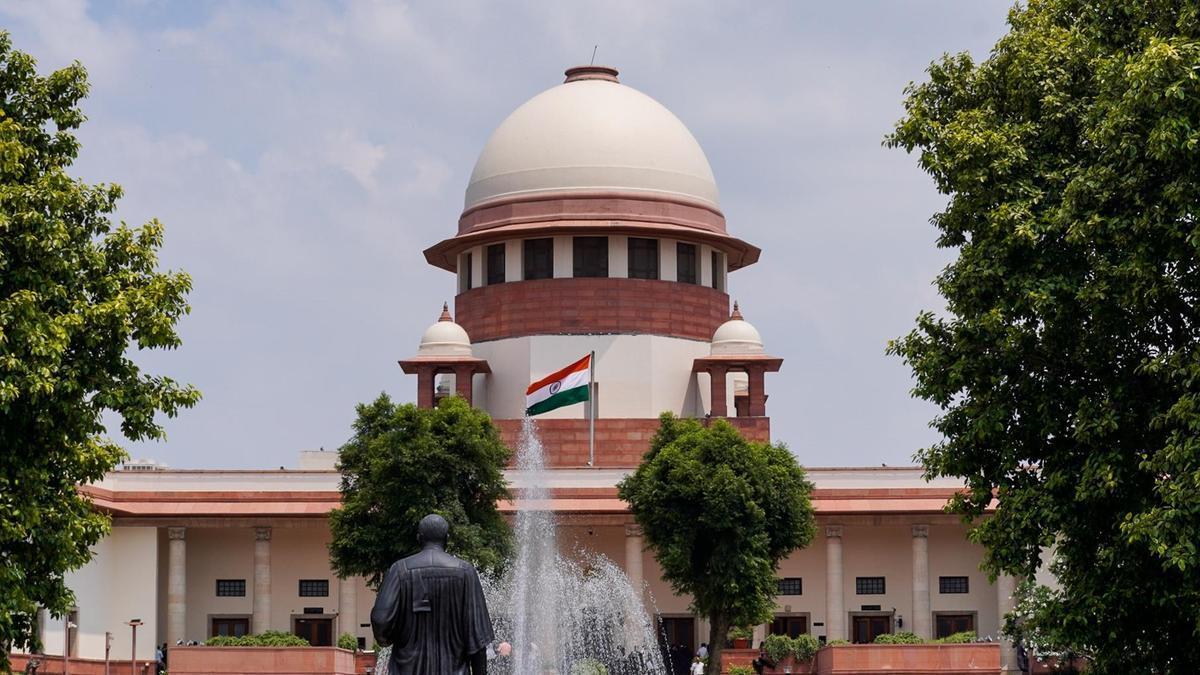
The Supreme Court has deferred hearings regarding a petition challenging the Election Commission's decision-making processes and the Special Intensive Revision of voter rolls. Petitioners, including Rahul Gandhi, are seeking the preservation of official records as the EC maintains its actions were unanimous and lawful.
The Constitutional Crisis: ECI Under Judicial Scrutiny
The Indian political landscape is currently witnessing a significant legal confrontation between the Election Commission of India (ECI) and petitioners, including the Leader of the Opposition, Rahul Gandhi. At the heart of the dispute is the governance of the Commission, specifically the alleged unilateral decision-making by Chief Election Commissioner (CEC) Gyanesh Kumar. The Supreme Court of India is now tasked with weighing the independence of the constitutional body against allegations of procedural irregularities during the Special Intensive Revision (SIR) of electoral rolls.
The Genesis of the Allegations
The controversy traces back to an investigative report published on September 23, which highlighted that Election Commissioners Sukhbir Singh Sandhu and Vivek Joshi had formally recorded disagreements 14 times over a 10-month window. These internal dissentions provided the catalyst for a petition filed by advocate Rakesh Kumar Singh, which ultimately sought the suspension of the CEC pending a full-scale inquiry into the Commission's internal functioning.
The ECI’s Defense and Procedural Stance
In its counter-affidavit submitted to the Supreme Court, the Election Commission has adamantly defended its actions. The ECI asserts that all decisions pertaining to the Special Intensive Revision were reached unanimously, contradicting the narrative of a fractured leadership. Furthermore, the Commission has invoked the protective constitutional status of the CEC, emphasizing that the removal of such a high-ranking official requires a rigorous procedure equivalent to the impeachment of a Supreme Court judge, thereby shielding the current leadership from summary suspension.
The Demand for Transparency
The petitioners, supported by senior advocate Abhishek Manu Singhvi, have shifted their focus toward a critical procedural demand: the preservation of the complete records regarding the SIR exercise. By framing this as an "innocuous, non-invasive" request, the petitioners aim to ensure that evidence remains untampered while the judiciary evaluates whether these electoral roll revisions followed established legal frameworks. The Supreme Court has acknowledged this request, stating it will "examine everything."
Judicial Deferment and Future Implications
As of the most recent hearing, the Supreme Court has opted to defer the proceedings, granting the petitioners a 10-day window to respond to the ECI’s counter-affidavit. This delay pushes the next phase of the legal battle until after the Diwali holiday. The outcome of this case holds profound implications for the future of Indian democracy. Should the court find merit in the claims of unilateral decision-making, it could set a precedent for how internal disagreements within the ECI are managed and recorded, potentially leading to reforms in how electoral revisions are conducted.
Conclusion
The ongoing legal battle highlights the delicate balance between the autonomy of the ECI and the necessity of judicial oversight. As the Supreme Court prepares to delve into the "complete records" of the SIR exercise, the nation watches to see how the judiciary will reconcile the ECI’s claims of constitutional immunity with the demands for greater transparency and accountability in the electoral process.
Multiple Citing Sources
Verification Required?