Parliaments have responsibility to listen to young voices: Speaker Birla
Source Entity
The Indian Express
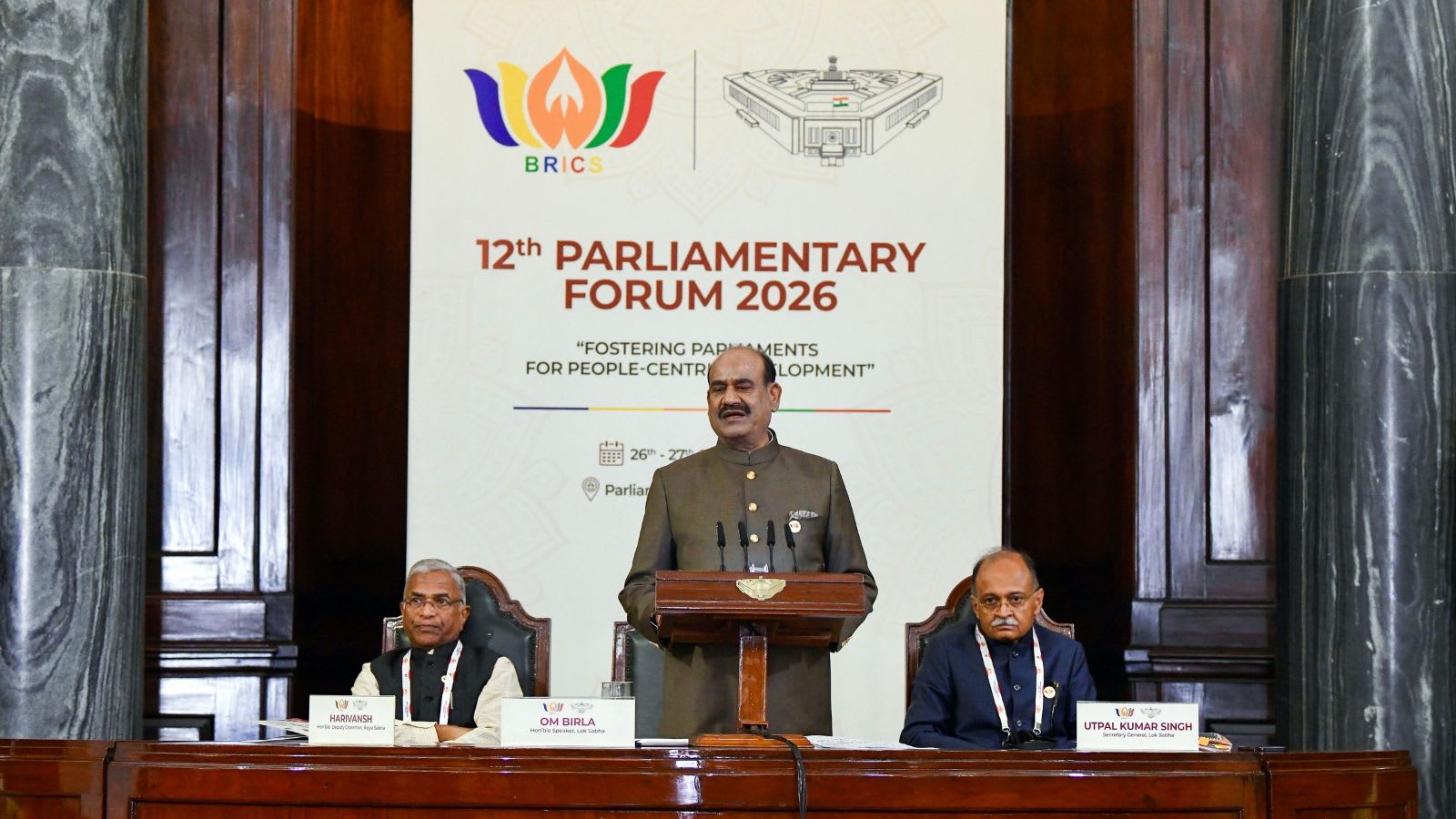
Lok Sabha Speaker Om Birla addressed the 12th BRICS Parliamentary Forum in New Delhi, emphasizing the roles of youth empowerment, ethical AI integration, and global peace. He argued that legislatures must evolve to become more transparent, citizen-centric, and responsive to the aspirations of future generations.
Empowering Future Generations: Insights from the 12th BRICS Parliamentary Forum
At the 12th BRICS Parliamentary Forum hosted in New Delhi, Lok Sabha Speaker Om Birla articulated a vision for the future of global governance that centers on the active participation of youth and the responsible integration of emerging technologies. By framing parliaments as more than just legislative engines, but as core hubs of public trust, Birla underscored the necessity for institutions to pivot toward a more inclusive, citizen-centric model of operation.
Harnessing Youth Energy for Nation-Building
Birla’s emphasis on the responsibility of parliaments to "listen to young voices" highlights a critical shift in modern political discourse. As the global youth population gains unprecedented access to education and technological tools, their capacity for innovation has become a primary driver of societal progress. According to the Speaker, the role of the state is to create pathways that channel this energy into nation-building, ensuring that the aspirations of the younger generation are not merely heard but integrated into the policy-making lifecycle.
The Dual-Edged Sword of Artificial Intelligence
Addressing the role of technology, Birla advocated for the adoption of Artificial Intelligence (AI) to optimize parliamentary workflows. However, he maintained a cautious stance, asserting that any such integration must be strictly governed by human values, ethics, transparency, and accountability. This perspective reflects a growing global trend where legislatures are seeking to balance the efficiency gains of digital transformation with the need to maintain public trust and democratic oversight.
Redefining Global Peace and Security
Beyond domestic governance, the forum served as a platform to redefine the parameters of global peace. Birla argued that true peace is not merely the absence of conflict, but the proactive assurance of security, dignity, and justice for all citizens. He challenged his parliamentary counterparts to view their current policy decisions through the lens of intergenerational equity, noting that future generations will ultimately judge current leaders by the safety and prosperity of the world they inherit.
Institutional Evolution and Transparency
Throughout the forum, a recurring theme was the transformation of legislative bodies into more effective, transparent, and responsive institutions. By advocating for digital technologies to improve citizen engagement, Birla signaled that the future of democracy lies in the ability of parliaments to adapt to rapid societal changes. This requires a commitment to consensus-building and accountability that keeps pace with the technological and social shifts of the 21st century.
Conclusion: A Legacy of Responsibility
In summary, the 12th BRICS Parliamentary Forum highlighted a roadmap for legislative evolution. Through the responsible use of AI, a profound commitment to youth empowerment, and a holistic view of global justice, Speaker Om Birla outlined the pillars necessary for stable and prosperous governance. The call for current generations to lay a sustainable foundation for the future remains the defining challenge for global parliamentary cooperation.
Multiple Citing Sources