Days after claims of irregularities in garbage contracts, Chief Minister meets with Opposition
Source Entity
India Latest News: Top National Headlines Today & Breaking News | The Hindu
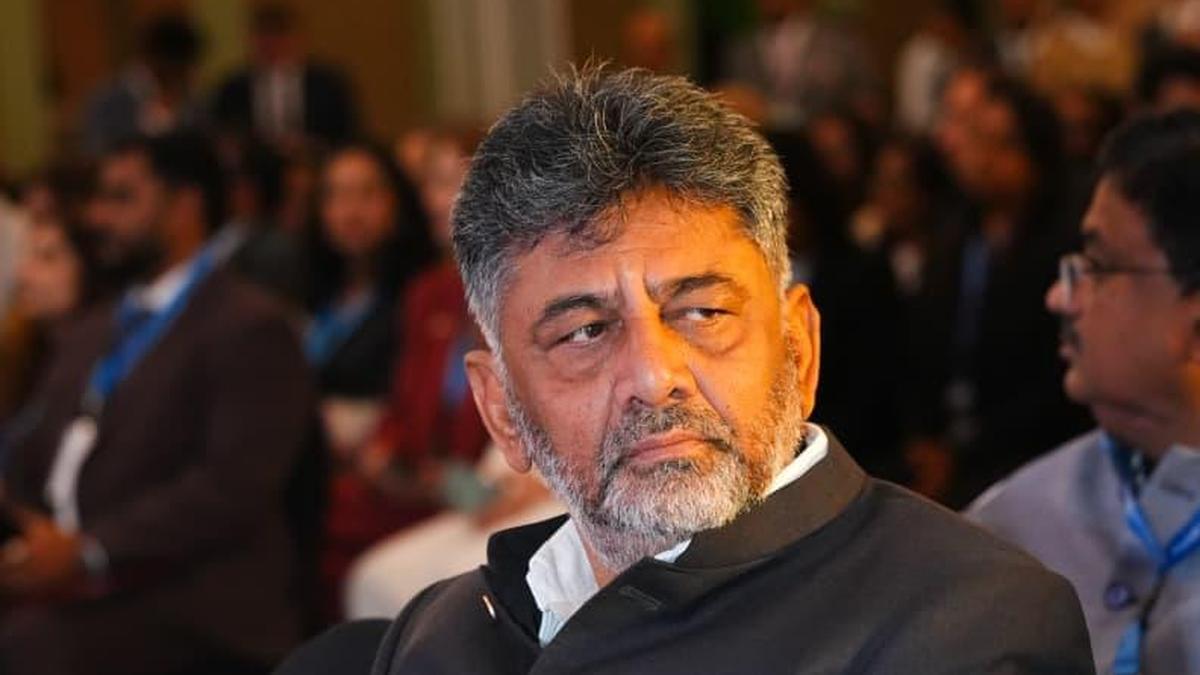
Karnataka Deputy CM D.K. Shivakumar held an all-party meeting to address alleged corruption in Bengaluru's waste management system. The opposition boycotted the meeting, citing unresolved concerns over tender irregularities.
The Battle Against Bengaluru's Garbage Mafia
Recent developments in Bengaluru’s municipal governance have brought the city's complex waste management system under intense scrutiny. Deputy Chief Minister D.K. Shivakumar, taking a proactive stance, convened an all-party meeting with local MLAs and MLCs to address what he termed as a deeply entrenched 'garbage mafia.' This initiative comes at a critical juncture as the Bengaluru Solid Waste Management Limited (BSWML) moves to re-tender 16 out of 21 existing waste management packages, signaling a potential overhaul of the city's sanitation infrastructure.
Political Friction and Accountability
The move towards transparency has been met with significant political resistance. R. Ashok, the Leader of the Opposition, notably absented himself from the meeting at the Chief Minister's residence, 'Krishna.' His refusal to participate is rooted in ongoing allegations of administrative malpractice. Ashok has publicly accused the current administration of favoring ineligible entities during the tender process, specifically pointing to a ₹133-crore contract awarded by the Garbage Based Authority (GBA) to a firm that allegedly failed to meet essential qualification criteria.
The Mechanics of the 'Garbage Mafia'
The term 'garbage mafia' refers to a long-standing nexus of contractors, officials, and political intermediaries that has historically plagued Bengaluru’s waste management. By controlling the collection, transportation, and processing of municipal solid waste, these actors have often stifled competition and inflated costs. The government’s decision to re-tender a large portion of its packages is a strategic attempt to break this monopoly, though it highlights the difficulty of implementing systemic change in a sector prone to cronyism.
Structural Challenges in Waste Management
Bengaluru's waste crisis is not merely a matter of logistics; it is an issue of structural integrity. The BSWML, tasked with streamlining these operations, is currently navigating a precarious balance between maintaining city cleanliness and ensuring fiscal responsibility. The allegations of tender irregularities suggest that previous attempts at reform may have been compromised by lack of oversight, leaving the city’s sanitation services vulnerable to the very interests they are meant to regulate.
Future Outlook and Implications
The standoff between the state government and the opposition underscores a broader need for legislative and procedural reform. For the re-tendering process to succeed, the government must move beyond rhetoric and provide concrete evidence of transparency. If the allegations of favoring ineligible companies are not addressed through a high-level probe, the credibility of the entire waste management overhaul remains at risk. Moving forward, the city’s ability to manage its waste effectively will depend on whether the administration can foster a collaborative environment that prioritizes public interest over private contracting gains.
Verification Required?