BJP-Akali alliance: Talks on to hammer out seat-sharing arrangement in Punjab
Source Entity
KUMAR RAKESH
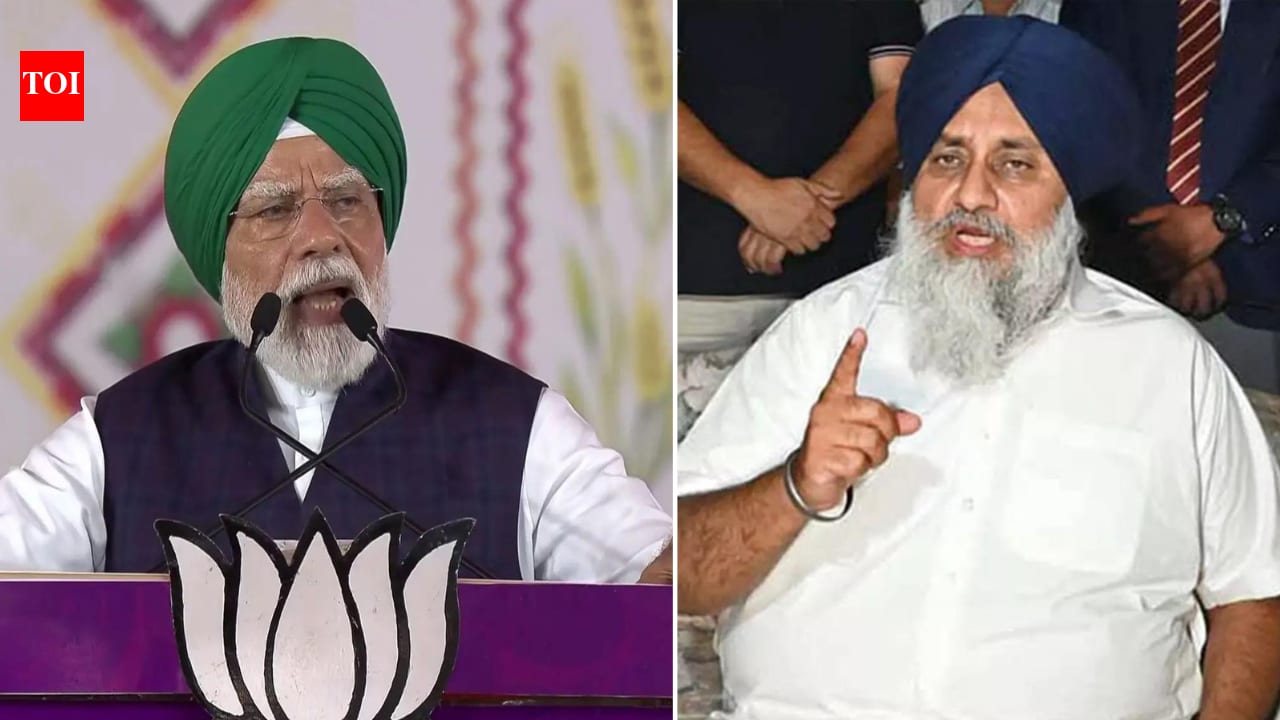
The Bharatiya Janata Party (BJP) and the Shiromani Akali Dal (SAD) are currently engaged in negotiations to finalize a seat-sharing agreement for upcoming elections in Punjab. This dialogue marks a significant effort to reconcile the two parties' electoral strategies in the region.
The Resurgence of the BJP-Akali Alliance Dynamics
The ongoing negotiations between the Bharatiya Janata Party (BJP) and the Shiromani Akali Dal (SAD) regarding seat-sharing arrangements signal a critical juncture in Punjab’s political landscape. As both parties work to hammer out a formal agreement ahead of the upcoming polls, the focus remains on recalibrating their traditional partnership to meet contemporary electoral demands. This dialogue is not merely a logistical exercise but a strategic maneuver to consolidate their respective voter bases in a state defined by complex socio-political undercurrents.
Historical Context and Strategic Alignment
Historically, the BJP and SAD shared a long-standing alliance that spanned decades, rooted in shared rural and urban interests. The current talks represent an attempt to revive the synergy that once defined their coalition. By initiating these seat-sharing discussions, both parties are acknowledging that regional stability often depends on the strength of such alliances. The complexity of these negotiations suggests that both sides are carefully balancing their candidate selection processes to ensure maximum electoral viability across diverse constituencies.
Navigating Electoral Challenges
Seat-sharing is notoriously the most contentious aspect of any pre-poll alliance. The process involves evaluating the incumbency factor, local candidate strength, and the shifting preferences of the Punjab electorate. The current discussions likely involve rigorous data analysis of past election performances to determine which party holds a stronger claim in specific legislative segments. This analytical approach is essential for preventing internal friction and ensuring that the alliance presents a united front against political opponents.
Broader Political Implications
Beyond the immediate electoral math, the outcome of these talks will have significant ramifications for the political trajectory of Punjab. A successful agreement could potentially reshape the opposition landscape, forcing other parties to reconsider their own strategies. The ability of the BJP and SAD to reach a consensus will serve as a litmus test for their organizational maturity and their willingness to prioritize collective electoral goals over individual party interests in a high-stakes environment.
Future Trends and Outlook
Looking ahead, the finalization of this seat-sharing arrangement will likely set the tone for the entire campaign cycle. If the parties succeed in finalizing a transparent and equitable distribution of seats, it could lead to a more organized electoral campaign. Conversely, any lingering disagreements could complicate their outreach efforts. The public will be watching closely to see how these negotiations translate into policy promises and a coherent vision for the future of Punjab, as the alliance seeks to regain its footing in the state's intricate political arena.