24-hour arrest clock starts from detention, not formal arrest: Supreme Court
Source Entity
AADRITA HALDER
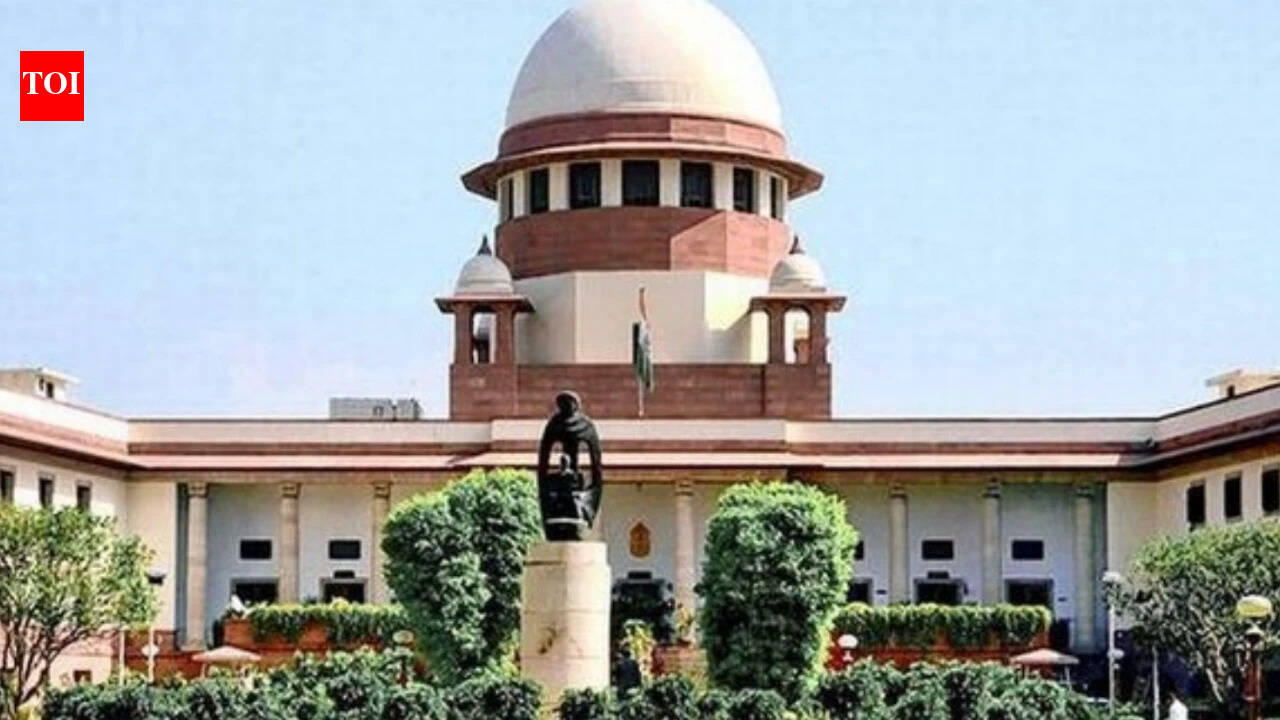
The Supreme Court has mandated that the 24-hour window for producing an accused before a magistrate begins at the moment of detention. This ruling eliminates the practice of extending custody through 'informal' detention before a formal arrest is recorded.
Supreme Court Mandates Strict 24-Hour Production Timeline
In a landmark ruling delivered on November 5, 2026, the Supreme Court of India has fundamentally reshaped the procedural requirements for police custody. A bench led by Justice Ujjal Bhuyan declared that the constitutionally mandated 24-hour period within which an arrested person must be produced before a judicial magistrate begins at the moment of initial detention, not at the time of a formal arrest record.
Dismantling the 'Artificial Distinction'
The Court explicitly rejected the long-standing police practice of drawing a line between 'detention' and 'formal arrest.' By ruling that such an artificial distinction is constitutionally unsustainable, the bench emphasized that the restriction of an individual's liberty occurs the moment they are taken into custody. Whether or not paperwork is filed, the deprivation of freedom triggers the protective safeguards enshrined in Article 22 of the Constitution.
Strengthening Constitutional Protections
This judgment serves as a critical check on executive overreach, particularly regarding the interpretation of Section 56 of the Bharatiya Nagarik Suraksha Sanhita (BNSS). The Court clarified that any interpretation allowing law enforcement to exclude pre-arrest detention from the 24-hour clock is contrary to the constitutional mandate. This ensures that the state cannot circumvent the rights of the accused by delaying the formal booking process.
Overriding Special Legislation
A significant aspect of this ruling is the Court’s assertion that fundamental rights take precedence even over stringent special laws, such as the Unlawful Activities (Prevention) Act (UAPA) and the Prevention of Money Laundering Act (PMLA). While these acts often feature restrictive bail provisions, the Supreme Court has signaled that the fundamental right to liberty and the requirement of judicial oversight remain paramount, regardless of the severity of the alleged offense.
Procedural Accountability for Magistrates
The ruling places a new affirmative duty on judicial magistrates. To ensure compliance, magistrates are now required to record the exact date and time of the initial detention when an accused is produced before them. If the timeline indicates that the individual was held for more than 24 hours without judicial oversight, the Court has indicated that the individual must be released, emphasizing the gravity of these procedural safeguards.
Broader Implications and Future Trends
This decision marks a shift toward greater transparency in the criminal justice system. By closing the loophole of 'informal' detention, the Supreme Court is forcing police departments to modernize their record-keeping and accountability practices. Future trends in Indian jurisprudence likely point toward an increased focus on digital tracking of detention times to ensure that the judiciary remains the primary supervisor of state-sanctioned deprivations of liberty, ultimately reducing the potential for custodial abuse.