‘No vehicle insurance, no fuel’: Supreme Court asks Centre to launch pilot project
Source Entity
Ananthakrishnan G
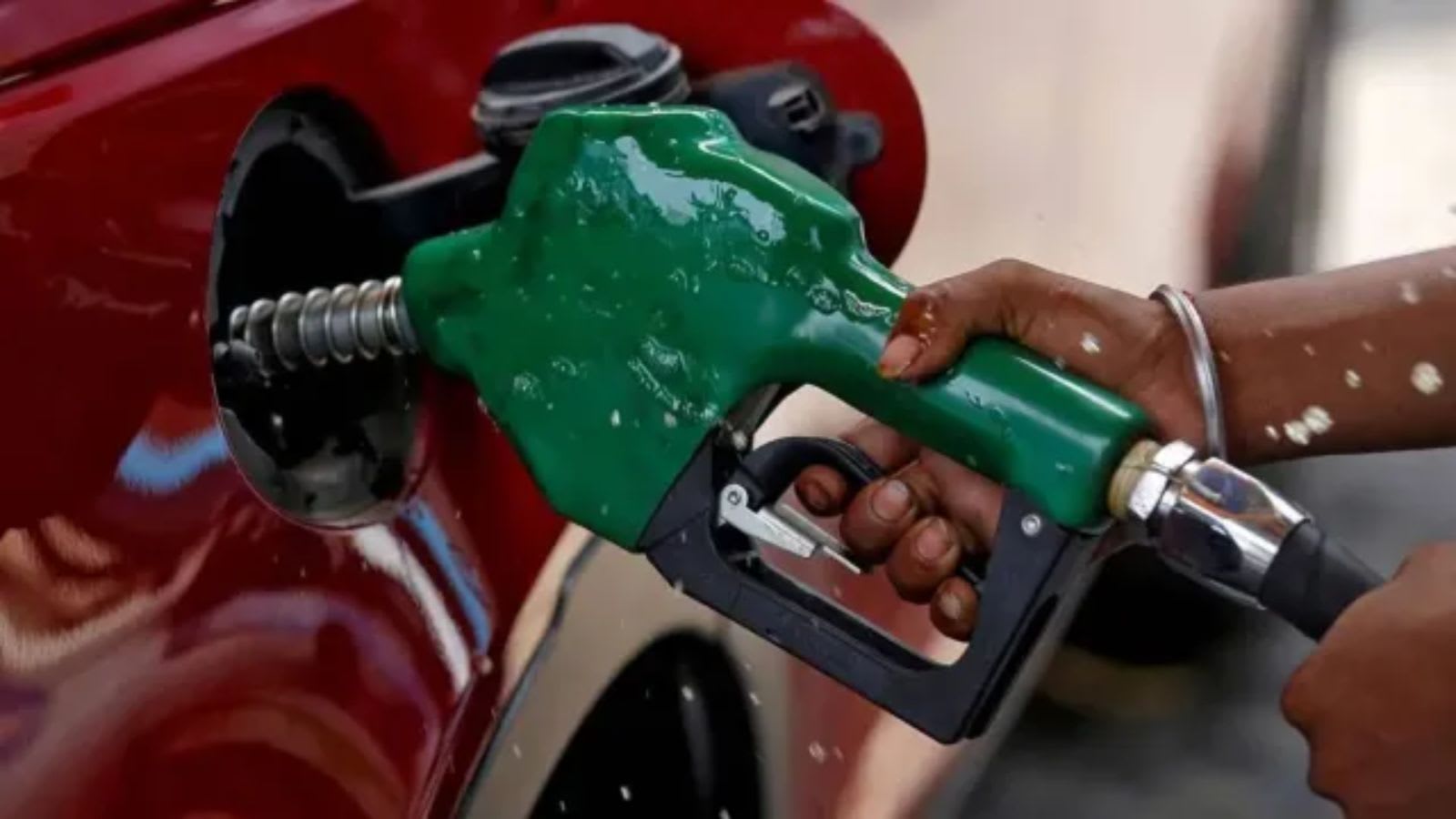
The Supreme Court has directed the Indian government to launch a pilot project denying fuel to uninsured vehicles. This initiative aims to address the 56% rate of uninsured vehicles through technological enforcement like ANPR cameras.
Supreme Court Mandates 'No Insurance, No Fuel' Pilot Project
The Supreme Court of India, led by a bench comprising Justices Sanjay Karol and Prashant Kumar Mishra, has issued a landmark directive aimed at curbing the alarming prevalence of uninsured vehicles on Indian roads. By ordering the Centre and the Insurance Regulatory and Development Authority of India (IRDAI) to develop a pilot project that links fuel supply to vehicle insurance status, the judiciary is attempting to enforce mandatory third-party insurance compliance through a direct, punitive mechanism.
Addressing the Crisis of Uninsured Vehicles
According to the Report of the Standing Committee on Finance 2024-25 cited by the court, approximately 56% of vehicles currently operating on Indian roads lack valid insurance coverage. This translates to roughly 16.54 crore uninsured vehicles, a statistic that presents a massive challenge for road safety and the legal rights of accident victims. The absence of insurance leaves thousands of victims without recourse or financial compensation, effectively undermining the protective intent of the Motor Vehicles Act.
Technological Integration and Enforcement
To move beyond traditional, manual enforcement, the court has mandated the deployment of a technology-driven framework. This includes the integration of Automatic Number Plate Recognition (ANPR) cameras with centralized insurance databases. This system will allow for the automatic generation of e-challans for vehicles found without active coverage. By automating the identification process, the judiciary aims to remove human error and corruption from the enforcement cycle, ensuring that non-compliance is met with immediate, data-backed consequences.
The 'No Fuel' Strategy
Linking fuel access to insurance compliance is a bold shift in policy enforcement. By essentially creating a 'no insurance, no fuel' protocol at petrol pumps, the government intends to force owners into immediate compliance. This strategy serves as a practical gatekeeper, ensuring that only vehicles meeting legal safety and liability standards can operate on public infrastructure. While the pilot project is currently in the developmental phase, its successful implementation would mark a significant shift in how regulatory compliance is managed at the point of consumption.
Broader Implications and Future Trends
Beyond the immediate impact on fuel stations, this directive signifies a broader trend toward the digitalization of Indian traffic law enforcement. By extending insurance requirements for new vehicles and utilizing real-time monitoring, the court is signaling a zero-tolerance approach toward negligence. If successful, this pilot could serve as a blueprint for other areas of regulatory oversight, potentially transforming how the state tracks and regulates vehicle fitness and safety standards across the country.
Conclusion
The Supreme Court’s intervention highlights a critical need to protect road accident victims and instill a culture of legal compliance among vehicle owners. By combining technological surveillance with a restriction on essential services like fuel, the court is attempting to bridge the gap between legislative intent and the reality on the ground. The success of this initiative will ultimately depend on the seamless integration of databases and the effective cooperation of fuel retailers across India.