OBC creamy layer: Why Centre is seeking clarity for CSE 2025 from Supreme Court
Source Entity
Amaal Sheikh
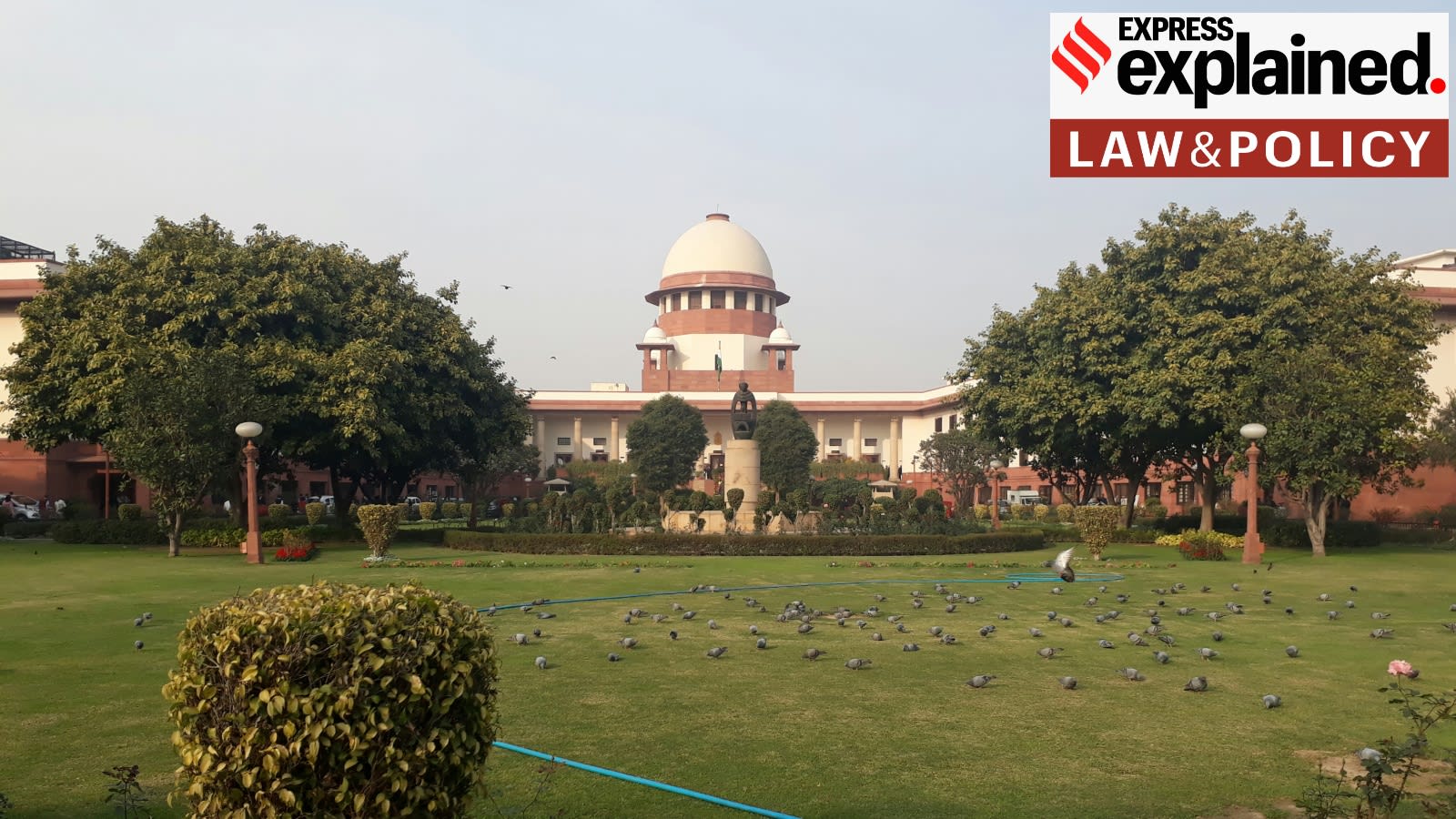
The Centre has petitioned the Supreme Court for clarity on whether the March 2026 ruling on OBC creamy layer criteria applies to the ongoing Civil Services Examination 2025. The government is concerned about the legal implications of applying new judicial standards to a recruitment cycle that was already substantially concluded.
The Legal Conflict Over OBC Creamy Layer Criteria
The Supreme Court’s decision to constitute a Special Bench to address the Centre’s plea marks a critical junction in the ongoing discourse surrounding reservation policies in India. At the heart of this legal challenge is the applicability of the court's March 2026 verdict regarding the 'creamy layer' criteria for Other Backward Classes (OBCs). The Centre is seeking specific guidance on whether these judicial mandates should retroactively impact the Civil Services Examination (CSE) 2025, a process that had already reached a advanced stage of completion before the ruling was delivered.
The March 2026 Ruling: A Paradigm Shift
In March 2026, the Supreme Court issued a landmark judgment that redefined the parameters of the 'creamy layer'—the segment of the OBC population deemed affluent enough to be excluded from reservation benefits. The court explicitly ruled that salary income alone cannot serve as the sole determinant for excluding children of employees in public sector undertakings (PSUs) and the private sector from these benefits. This decision sought to broaden the scope of inclusion, potentially altering the eligibility landscape for thousands of aspirants.
The Procedural Dilemma
The Centre's appeal highlights a significant administrative concern: the stability of recruitment cycles. When a judicial authority alters a legal position after the notification, application, and initial stages of a massive national examination like the CSE, it creates a vacuum of uncertainty. The government argues that because the CSE-2025 cycle was substantially concluded prior to the judgment, applying the new criteria mid-stream could disrupt the integrity and timeline of the recruitment process.
Broader Implications for Administrative Law
This case raises fundamental questions about the doctrine of 'prospective overruling' and the procedural finality of administrative actions. The judiciary must now balance the intent of the March 2026 ruling—which aimed to ensure more equitable access to reservation—with the practical necessity of maintaining stable, predictable recruitment timelines. If the court allows the new criteria to apply to the 2025 cycle, it could set a precedent for how future judicial interventions interact with ongoing government hiring processes.
Future Trends in Reservation Policy
The outcome of this Special Bench hearing will likely dictate how the Union Public Service Commission (UPSC) and other recruitment bodies structure their future examinations. As the definition of 'creamy layer' continues to evolve through judicial scrutiny, the government will likely need to develop more robust frameworks that can accommodate legal shifts without necessitating the reopening of completed cycles. This case serves as a test case for harmonizing constitutional mandates with the operational realities of the Indian bureaucracy.