'Whosoever committed excesses must be taken to task': SC on violence during student protests
Source Entity
TOI NEWS DESK
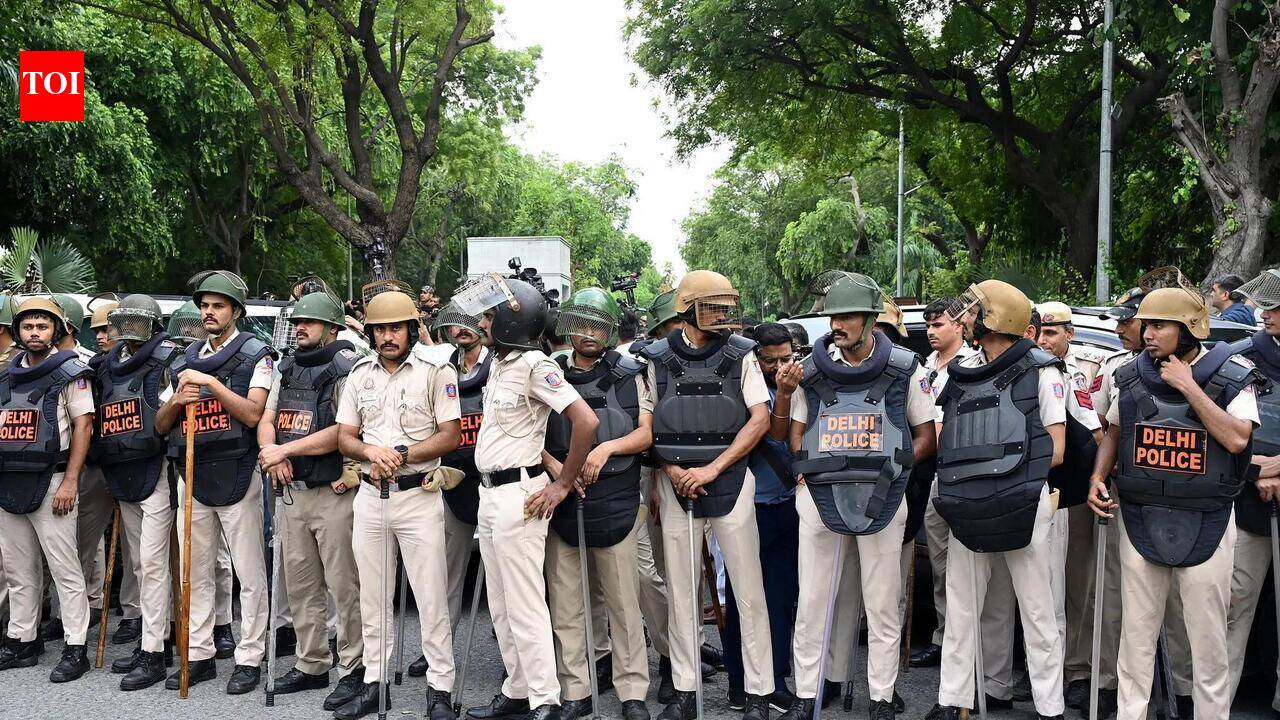
The Supreme Court has called for a transparent, independent inquiry into allegations of police violence against students protesting NEET paper leaks. The court is considering forming a Special Investigation Team to establish accountability and define future protest management protocols.
Supreme Court Intervenes in Student Protest Crackdown
The Supreme Court of India has taken a firm stance on the recent outbreaks of violence during student protests against the National Eligibility-cum-Entrance Test (NEET) paper leaks. Observing that a prima facie case exists for a thorough investigation, the bench led by Chief Justice of India Surya Kant has emphasized that any individual—regardless of authority—who has committed excesses or taken the law into their own hands must be held accountable. This judicial intervention follows widespread reports of police brutality, including the highly alarming allegation that an officer in Bihar deployed an AK-47 against peaceful demonstrators.
The Need for an Independent Probe
At the heart of the judicial proceedings is the demand for a fair and transparent inquiry. The Supreme Court has suggested the potential formation of a Special Investigation Team (SIT) to examine the incidents. This move is intended to ensure that the investigation remains untainted by local political or administrative influence. By advocating for an SIT, the court is signaling that the standard departmental inquiries often conducted by state police forces may be insufficient to address the severity of the allegations, which include the use of pellet guns and excessive force against students marching toward Parliament.
Establishing Protocols for Future Protests
Beyond immediate accountability, the Supreme Court aims to use these proceedings to establish a definitive protocol for how law enforcement agencies should handle future protests. The court noted that once defined protocols are violated, the law must take its course. This suggests a desire to bridge the gap between maintaining public order and respecting the constitutional right to peaceful assembly. By creating a standardized framework, the judiciary hopes to prevent the escalation of violence that characterized the July 20 protests, where demonstrators attempting to reach Parliament were met with tear gas and baton charges.
Accountability as a Pillar of Democracy
Rajya Sabha MP Manoj Kumar Jha’s petition, which prompted much of this judicial scrutiny, highlights the broader concern regarding the state’s reaction to youth-led dissent. The court’s assertion that "a probe is meaningless without fixing responsibility" underscores a critical shift toward ensuring that top-down accountability is maintained. If the judiciary succeeds in compelling a transparent audit of these events, it could serve as a landmark precedent for how police forces across various states interact with civil society movements.
Broader Implications and Future Trends
The ongoing situation reflects a growing tension between student activism and state security apparatuses in India. As protests regarding academic integrity and governance continue to gain momentum, the Supreme Court's involvement acts as a vital check on state power. Looking forward, the implementation of a court-mandated protocol could fundamentally alter the landscape of protest management, moving away from aggressive dispersal tactics toward more regulated, rights-based approaches to crowd control.
Conclusion
The Supreme Court's proactive stance in the NEET protest cases represents a significant effort to uphold the rule of law. By prioritizing an independent SIT investigation and the drafting of new operational protocols, the bench is addressing both the immediate grievances of the students and the long-term systemic issues regarding police conduct. As the proceedings continue, the focus will remain on whether the state can successfully balance the necessity of public order with the fundamental democratic right to dissent.
Multiple Citing Sources