Reframing the fertility debate as a women’s rights issue
Source Entity
Latest News: Todays Latest News Headlines from India & World | Hindustan Times
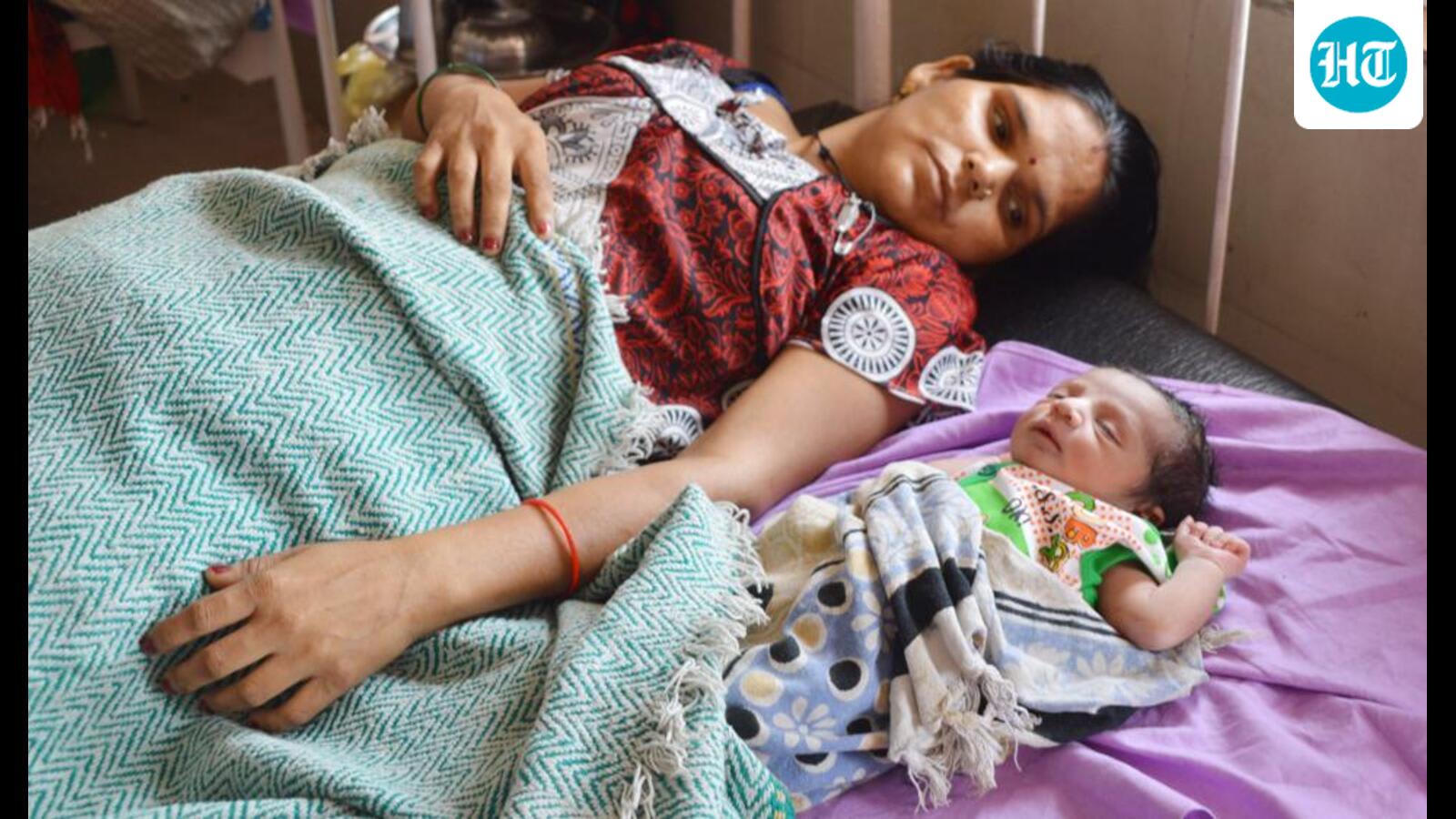
The Supreme Court has questioned the necessity of two-child policies for local election eligibility, citing shifting demographic trends and women's reproductive rights. This legal shift highlights a move toward viewing fertility through a lens of bodily autonomy rather than population control.
The Judicial Pivot on Population Policy
The Supreme Court of India recently signaled a monumental shift in the discourse surrounding population control, specifically scrutinizing legislation that disqualifies individuals from contesting panchayat elections if they have more than two children. By observing that such laws have "lost their significance," the judiciary is acknowledging a radical demographic transformation. While in 2003, India’s Total Fertility Rate (TFR) stood at three, recent data from 2024 indicates a decline to 1.9—a figure below the replacement level of 2.1. This suggests that the state’s historical obsession with aggressive population suppression is increasingly disconnected from current demographic realities.
Addressing the Reproductive Rights Gap
The core of the court's concern lies in the intersection of law and bodily autonomy. Legislative measures like the two-child norm often overlook the fundamental reality that women frequently lack agency over their own reproductive health. By penalizing those with larger families, the law inadvertently punishes women for systemic failures in access to contraception and reproductive education. The Supreme Court’s intervention underscores the necessity of reframing fertility not as a tool for political engineering, but as a protected sphere of personal liberty and human rights.
The Shadow of Son Preference
A critical component of the court's analysis is the enduring societal bias toward male children. This cultural phenomenon often forces women into multiple pregnancies in the hopes of producing a son, regardless of the family's existing size or economic stability. The two-child policy, when enforced strictly, does little to address this underlying patriarchal pressure and may instead exacerbate the marginalization of women. The apex court is now explicitly calling for a broader policy framework that addresses these societal biases rather than relying on punitive electoral disqualifications.
Case Study: The Maharashtra Precedent
The judicial review was prompted by the case of Mangala Bhimrao Ingle, a former sarpanch from Maharashtra. Having given birth to a third child in 2014, Ingle faced disqualification despite having won her election. Her situation serves as a microcosm for the thousands of grassroots leaders who have been caught in the crosshairs of archaic population policies. The legal challenge highlights how these norms disproportionately impact women in public life, potentially discouraging female participation in the democratic process at the most fundamental, local level.
Future Implications for Indian Governance
Moving forward, this judicial stance suggests a move away from coercive population control measures toward a more holistic approach. As India navigates the challenges of an aging population and shifting economic demographics, the reliance on two-child mandates appears increasingly obsolete. Future policy trends will likely prioritize public health, gender equality, and informed reproductive choice over restrictive electoral barriers. The Supreme Court has set the stage for a legislative rethink, signaling that the era of state-mandated fertility control is rapidly approaching its conclusion.
Verification Required?