No ban on Jagannath movie, artists must enjoy creative liberty, says Supreme Court
Source Entity
AMIT ANAND CHOUDHARY
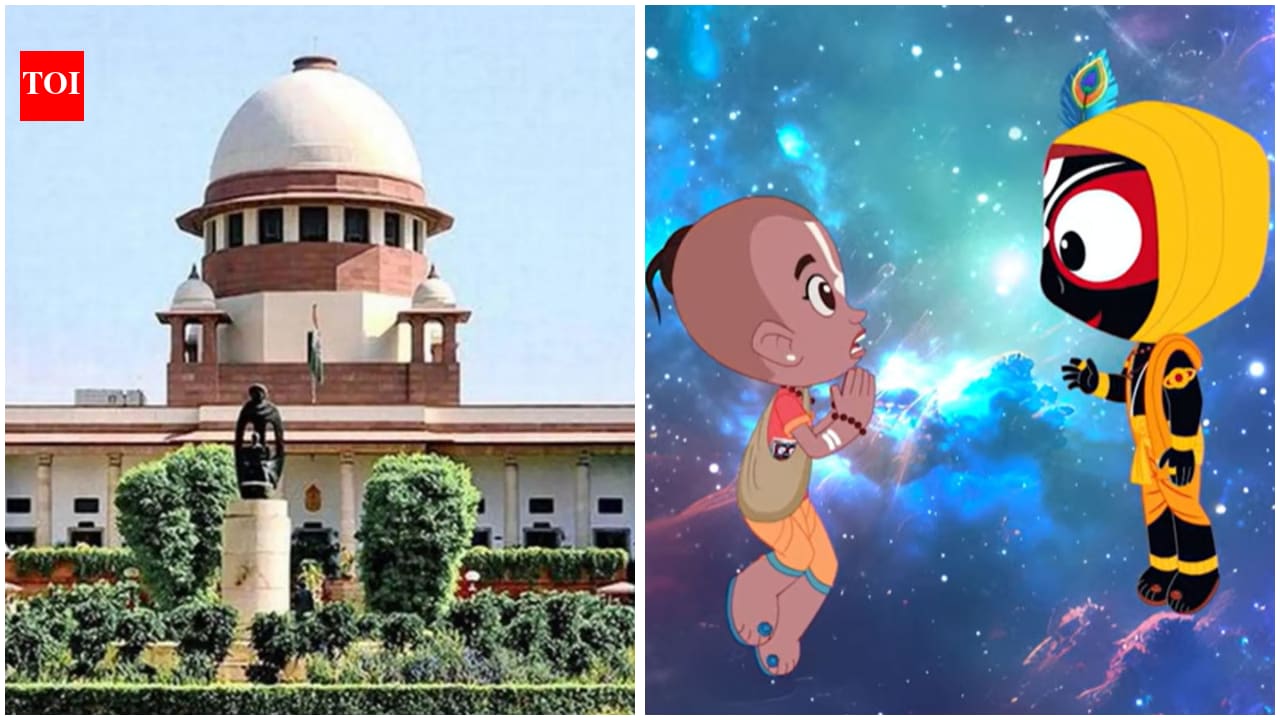
The Supreme Court has dismissed a petition seeking to ban an animated film about Mahaprabhu Jagannath, upholding artistic freedom. The bench emphasized that restricting the depiction of deities would set a dangerous precedent for religious cinema.
Supreme Court Upholds Artistic Freedom in Religious Cinema
In a landmark observation, the Supreme Court of India has firmly rejected a plea seeking to ban an animated film centered on the life and legacy of Mahaprabhu Jagannath. The bench, comprising Justices B.V. Nagarathna and R. Mahadevan, underscored that creative expression is a vital component of a democratic society. By refusing to intervene, the Court has reinforced the principle that the judiciary should not act as a censor for artistic works, especially when they have already been vetted by the appropriate regulatory bodies.
The Precedent of Creative Liberty
The core of the Court's argument rests on the necessity of creative liberty for artists. The justices noted that if the depiction of gods and goddesses were to be prohibited based on subjective objections, it would effectively stifle the production of films and television programs based on epics like the Ramayana and the Mahabharata. This ruling serves as a shield for filmmakers, ensuring that artistic interpretations of religious figures remain protected under the broader umbrella of freedom of speech and expression.
Institutional Deference to the Censor Board
A pivotal aspect of the Court's decision was its reliance on the Censor Board's (CBFC) existing approval. The Supreme Court emphasized that since the film had already cleared the necessary certification process, there was no legal ground for judicial interference. This highlights the judiciary's intent to respect the jurisdiction of statutory bodies tasked with film certification, preventing the courts from becoming a forum for every grievance against artistic content.
Addressing Religious Sentiments vs. Artistic Expression
The opposition from the Jagannath temple committee highlights the perennial tension between religious sensitivity and secular artistic expression. However, the Court’s stance suggests that 'tolerance' is a necessary virtue in a diverse society. By stating that the objections of a few cannot override the creative rights of the many, the judiciary has signaled that religious depictions in media are subject to the same standards of artistic freedom as any other subject matter.
Broader Implications for Indian Cinema
This decision has significant implications for the future of mythological and religious storytelling in India. By establishing a clear threshold against frivolous litigation aimed at banning films, the Court provides a more stable environment for creators to explore religious narratives. It suggests that future challenges to religious films will face a high burden of proof, as the judiciary is increasingly reluctant to act as an arbiter of theological accuracy in art.
Conclusion
Ultimately, the Supreme Court’s refusal to ban the animated film on Mahaprabhu Jagannath is a victory for the creative community. It preserves the ability of filmmakers to interpret cultural and religious heritage without the constant fear of litigation. As India continues to produce a vast array of content based on its rich mythological history, this ruling will likely serve as a foundational reference point for balancing the sanctity of religious figures with the evolving nature of modern storytelling.