'Dialled wrong number': CJI's 'dharna' quip at man seeking rotation of SC-ST seats
Source Entity
ROHITASHWA RANJAN
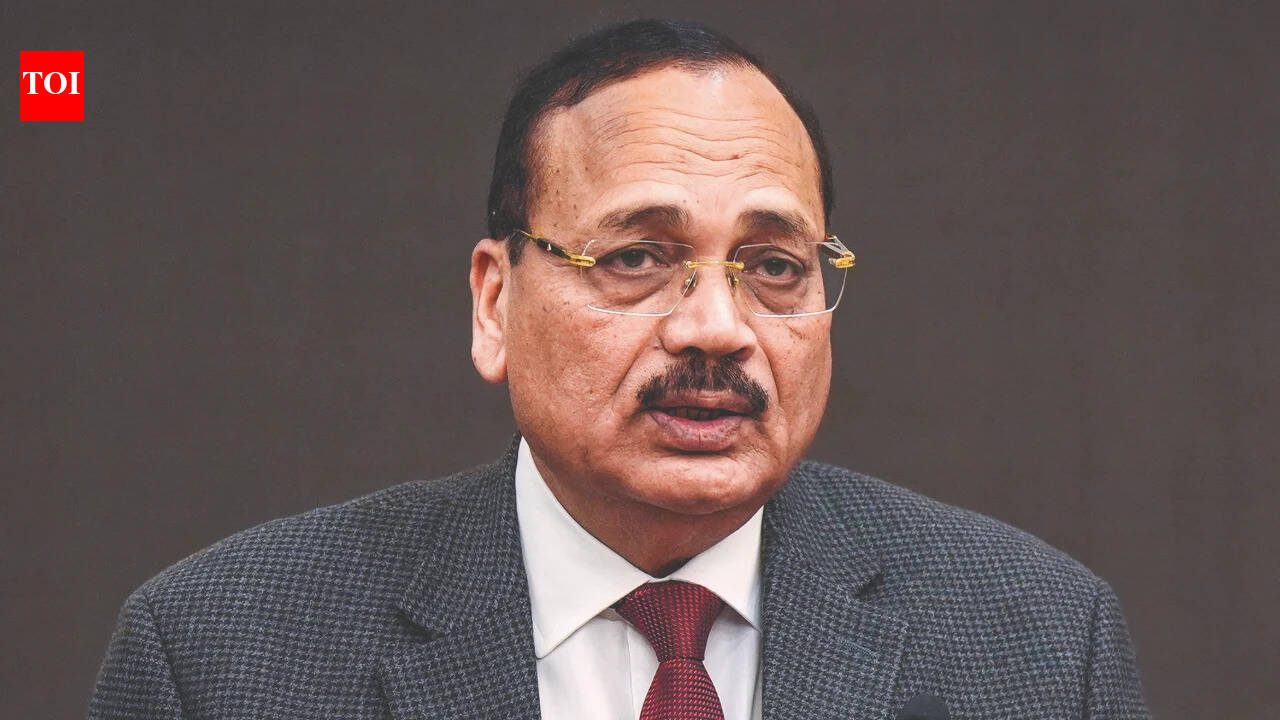
The Supreme Court has rejected a plea for the mandatory rotation of SC/ST reserved constituencies, stating the matter falls under legislative jurisdiction. A bench led by CJI Surya Kant upheld the Delimitation Act, 2002, advising the petitioner to seek change through political consensus.
Supreme Court Rejects Mandatory Rotation of SC/ST Seats
The Judicial Stance on Legislative Domain
In a definitive ruling, the Supreme Court of India has declined to interfere with the current framework governing reserved constituencies for Scheduled Castes (SCs) and Scheduled Tribes (STs). A bench comprising Chief Justice of India Surya Kant and Justices Joymalya Bagchi and V. Mohana dismissed a plea that sought to mandate the periodic rotation of these reserved seats in Parliament and State Assemblies. The Court’s decision reinforces the principle of separation of powers, asserting that the restructuring of electoral constituencies is a policy matter exclusively within the purview of the legislature.
Upholding the Delimitation Act, 2002
At the heart of the legal dispute was Section 9(1)(c) of the Delimitation Act, 2002. The petitioner, Jagdish Singh, challenged the existing methodology, which identifies reserved constituencies based on areas with a comparatively higher proportion of SC/ST populations. By upholding the Allahabad High Court’s previous judgment, the Supreme Court has affirmed that the current legal framework does not mandate periodic rotation. The Court effectively signaled that the law, as it stands, prioritizes demographic concentration as the basis for reservation rather than a rotation-based system.
'Dialling the Wrong Number': The Court’s Observation
During the proceedings, Chief Justice Surya Kant employed a notable metaphor, remarking that the petitioner was “dialling the wrong number” by bringing this demand to the judiciary. This quip underscores the Court's reluctance to engage in judicial activism regarding electoral reform. The bench suggested that if the petitioner seeks a change in the law to implement mandatory rotation, the appropriate course of action is to approach elected representatives and build a broader political consensus rather than seeking a judicial mandate.
Implications for Electoral Reform
This ruling carries significant implications for the future of Indian electoral policy. By directing the petitioner to organize public protests or engage with the legislature, the Court has effectively shifted the burden of reform back to the political process. This highlights a clear boundary: while the judiciary ensures the constitutional validity of laws like the Delimitation Act, it will not substitute its own judgment for that of Parliament regarding the mechanics of how and where specific seats are reserved.
Future Trends in Reservation Policy
Looking ahead, the Supreme Court’s stance suggests that any substantial change to the reservation of constituencies will require a legislative amendment to the Delimitation Act. This places the issue squarely in the arena of political advocacy. Future debates regarding the representation of marginalized communities will likely continue to center on whether demographic concentration or rotation is more equitable, but such debates must now be resolved through parliamentary deliberation and public consensus-building rather than courtroom litigation.
Multiple Citing Sources