Falling fertility rate makes two-child penalties outdated in India, says Supreme Court
Source Entity
India Latest News: Top National Headlines Today & Breaking News | The Hindu
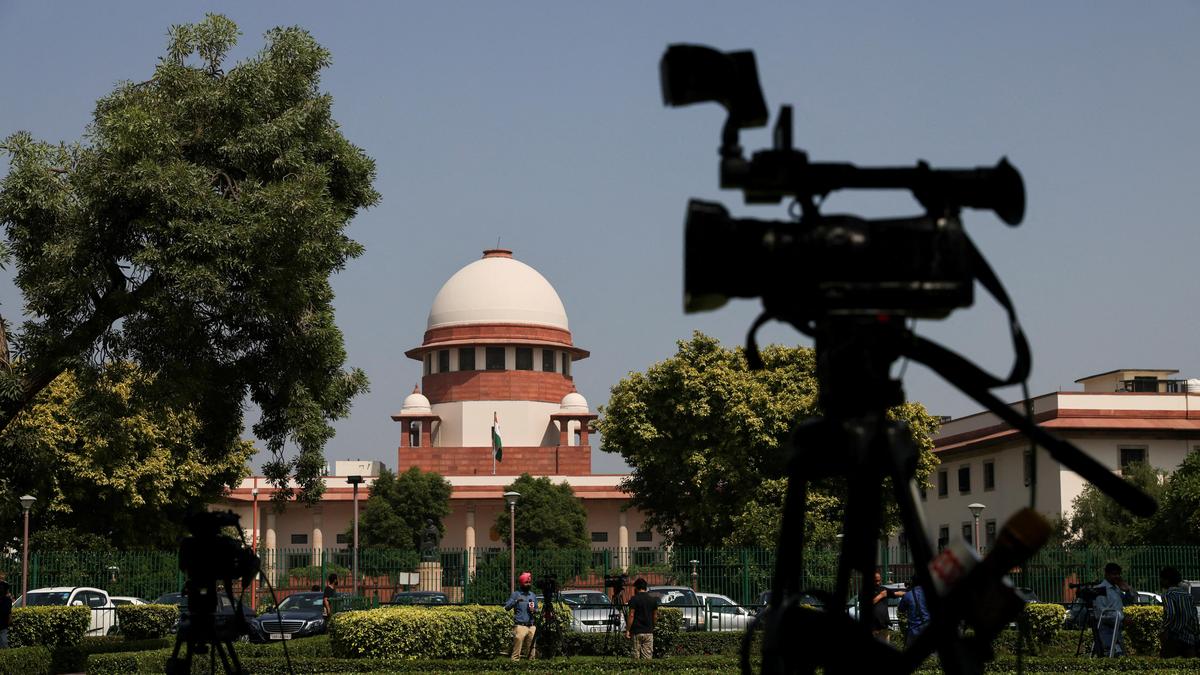
The Supreme Court of India has ruled that population control laws, specifically two-child penalties for local elections, are now outdated. With the Total Fertility Rate falling below the replacement level of 2.1, the court has initiated a review of its 2003 verdict to address these demographic shifts.
The Shift in India's Demographic Policy
The Supreme Court of India has initiated a landmark judicial reassessment, declaring that laws aimed at curbing population growth have lost their foundational relevance. A Bench led by Justice P.S. Narasimha recently observed that the fear of overpopulation, which once drove stringent legislative measures, has fundamentally crumbled. This shift acknowledges a significant demographic transformation that has occurred in India over the past few decades.
The Data Behind the Decision
Central to the Court's observation is the decline in India’s Total Fertility Rate (TFR). Historical data indicates that the TFR has dropped from approximately 3.0 to 1.9. This figure is particularly significant as it falls below the replacement level of 2.1—the threshold required for a generation to effectively replace itself. By recognizing that the demographic crisis of the past has been replaced by a new reality, the judiciary is signaling a move toward policy modernization.
Revisiting the 2003 Precedent
For over two decades, the 2003 Supreme Court verdict in Javed versus State of Haryana served as the legal bedrock for state-level policies, such as disqualifying individuals with more than two children from contesting panchayati elections. The current Bench has explicitly stated that this ruling requires a revisit by a larger Bench. The Court argued that because the original justification for these penalties—uncontrolled population growth—no longer exists, maintaining them is now counter-productive.
Implications for Local Governance
This judicial intervention has profound implications for how local governance is managed. By questioning the validity of disqualification clauses based on family size, the Court is prioritizing inclusivity and current demographic realities over outdated punitive measures. Local bodies, which serve as the grassroots level of Indian democracy, may soon see these restrictions overturned, potentially broadening the pool of eligible candidates for office.
Future Trends and Legislative Outlook
As India transitions into a phase of stabilizing population growth, the legal system is tasked with aligning statutory frameworks with census data. The Court's move suggests a future where legislative focus may shift from population control to population management and welfare. This precedent could trigger a chain reaction, prompting state governments to repeal similar punitive laws that have become increasingly difficult to justify in the face of falling fertility rates.
Conclusion
In summary, the Supreme Court's decision marks a pivotal moment in Indian administrative law. By acknowledging that the demographic landscape has shifted, the judiciary is ensuring that policies remain tethered to reality rather than stagnant historical fears. The upcoming review of the 2003 verdict will likely set a new standard for how rights and responsibilities are balanced against national demographic objectives.
Multiple Citing Sources
Verification Required?