After 40-Year Dispute With Tenant, Top Court Gives 'Genuine Need' Relief To Owner
Source Entity
NDTV News Search Records Found 1000
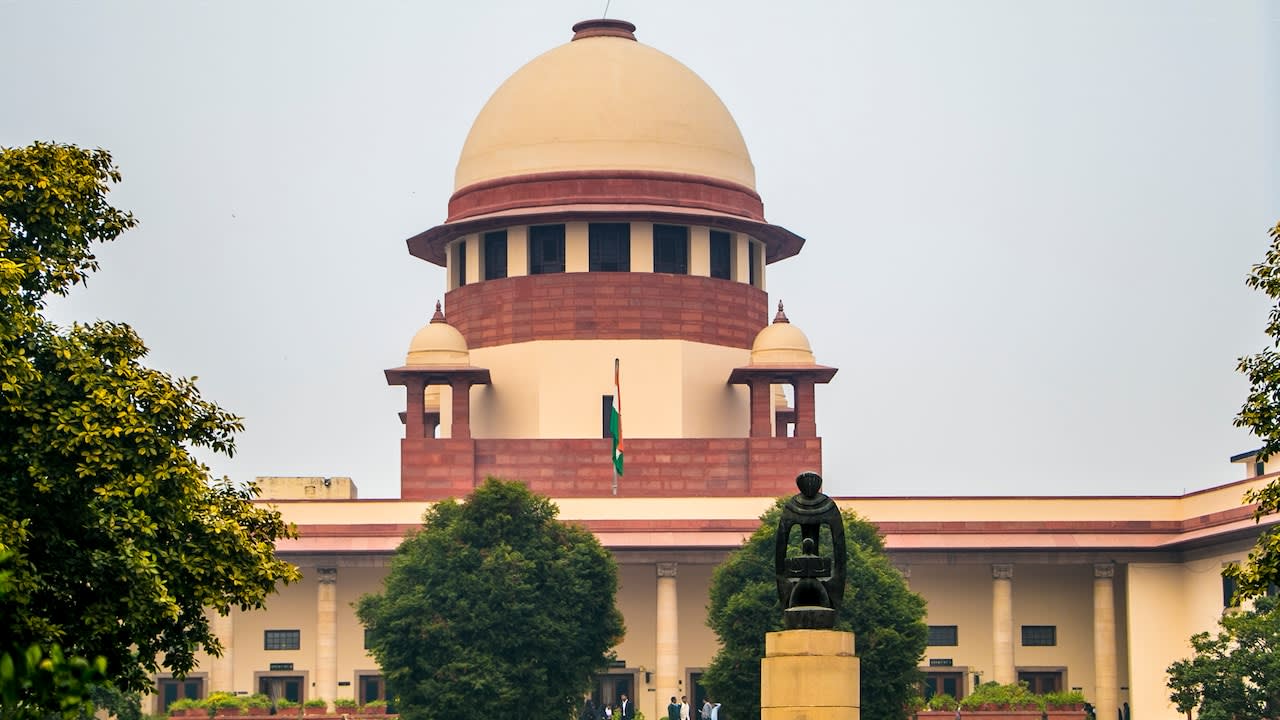
The Supreme Court has overturned an Allahabad High Court ruling, favoring a property owner in a 40-year-old tenancy dispute. The court recognized the owner's 'genuine need' for the premises, concluding a decades-long legal battle.
Supreme Court Resolves Four-Decade Tenancy Dispute
In a significant judicial development, the Supreme Court of India has intervened to resolve a protracted legal battle that spanned four decades. The dispute, which originated from a conflict between a property owner and a tenant, had previously seen the Allahabad High Court rule in a manner that the apex court found unsatisfactory. By setting aside the High Court's order, the Supreme Court has underscored the importance of balancing tenant protections with the fundamental rights of property owners.
The Doctrine of 'Genuine Need'
At the heart of this ruling is the legal concept of 'genuine need.' Rent control laws across various Indian states were historically designed to prevent the arbitrary eviction of tenants. However, these laws also contain provisions that allow owners to reclaim their property if they can demonstrate a legitimate, bona fide requirement for personal use. In this instance, the Supreme Court’s decision suggests that the lower court failed to adequately weigh the owner’s long-standing requirement for the premises against the tenant’s occupancy.
Historical Context of Tenancy Litigation
Tenancy disputes in India are notoriously slow, often lingering in the judicial system for generations. This specific case, lasting 40 years, serves as a poignant example of the systemic delays that plague civil litigation in the country. Such prolonged disputes create significant financial and emotional burdens for both parties, often resulting in properties falling into disrepair or remaining underutilized due to the legal uncertainty surrounding their possession.
Judicial Oversight and Precedent
By overturning the Allahabad High Court's decision, the Supreme Court has reaffirmed its role as the final arbiter in ensuring that lower court interpretations of property law remain consistent with the principles of equity. This decision sets a precedent for how 'genuine need' should be assessed, potentially influencing future cases where owners seek to reclaim property after long periods of stagnant litigation. It signals a shift toward a more pragmatic approach to property rights.
Broader Implications for Property Law
This ruling carries broader implications for the real estate landscape in India. As urbanization accelerates, the demand for clear and efficient dispute resolution mechanisms becomes increasingly critical. The recognition of an owner's 'genuine need' after such a long interval highlights the judiciary's intent to uphold the rights of property holders, which may, in turn, encourage more investment in the rental market by reducing the perceived risks associated with long-term tenancy.
Conclusion: A Path Forward
Ultimately, the Supreme Court’s intervention brings a long-awaited conclusion to a 40-year saga. While the ruling provides relief to the owner, it also serves as a reminder of the need for structural reforms in the judicial system to prevent civil disputes from stretching across decades. This case stands as a landmark for property owners seeking to enforce their rights, signaling a more rigorous judicial standard for evaluating the legitimacy of possession claims.
Verification Required?