Assembly’s remaining tenure no ground to delay anti-defection pleas, rules Supreme Court
Source Entity
Latest News: Todays Latest News Headlines from India & World | Hindustan Times
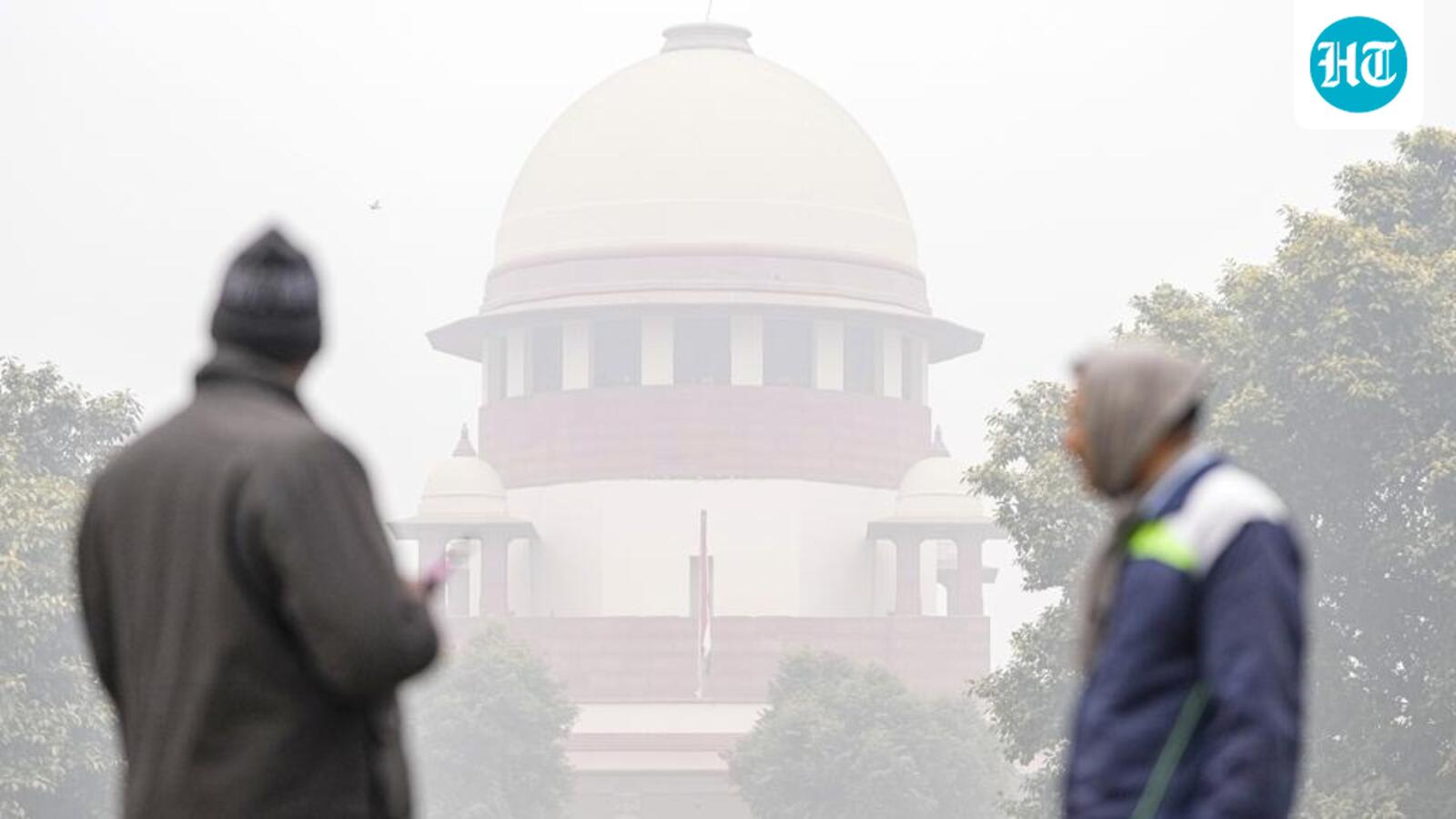
The Supreme Court has ruled that Assembly Speakers must decide anti-defection cases expeditiously, regardless of the remaining tenure of the assembly. The court specifically ordered the Madhya Pradesh Speaker to resolve the case of Congress MLA Nirmala Sapre within two months.
Supreme Court Mandates Timely Resolution for Anti-Defection Pleas
In a significant judicial intervention, the Supreme Court of India has reaffirmed the necessity for constitutional authorities to handle anti-defection proceedings with urgency. By directing the Madhya Pradesh Assembly Speaker to conclude the disqualification petition against Congress MLA Nirmala Sapre within two months, the bench—led by Chief Justice Surya Kant—has sent a clear message that the Tenth Schedule of the Constitution cannot be rendered toothless by administrative delays.
The Erosion of the Tenth Schedule
Historically, the anti-defection law, introduced via the 52nd Amendment in 1985, was designed to curb political instability caused by the frequent shifting of party loyalties. However, the efficacy of this law has often been undermined by Speakers who delay adjudicating disqualification petitions. By ruling that an assembly’s remaining tenure is no excuse for inaction, the Supreme Court is actively closing a loophole that has long allowed political maneuvering to supersede constitutional discipline.
Judicial Oversight and Speaker Discretion
This ruling clarifies the boundary between the Speaker’s quasi-judicial role and the oversight of the judiciary. While the Tenth Schedule grants the Speaker the power to decide disqualification, the Supreme Court’s intervention emphasizes that this power is not absolute or immune to timeline requirements. When High Courts decline to intervene under the guise of respecting legislative autonomy, they inadvertently permit the subversion of the democratic mandate, a practice the Supreme Court has now explicitly discouraged.
Implications for Madhya Pradesh Politics
The specific case of MLA Nirmala Sapre serves as a litmus test for the judiciary’s new, firmer stance. By setting a strict two-month deadline, the court is prioritizing the integrity of the electoral process over the potential political convenience of the state assembly. This move directly addresses the concerns raised by the Leader of the Opposition, who sought judicial intervention to resolve the uncertainty surrounding the MLA's status.
Setting a National Precedent
Beyond the state of Madhya Pradesh, this judgment serves as a national precedent. It reinforces the principle that constitutional duties must be discharged within a reasonable timeframe. Future petitions in other states will likely lean on this ruling to prevent Speakers from indefinitely sitting on disqualification pleas, thereby forcing a more transparent and accountable legislative environment.
Conclusion: Strengthening Democratic Accountability
Ultimately, the Supreme Court’s decision is a vital step in maintaining the sanctity of the electoral process. By mandating prompt rulings, the court ensures that the anti-defection law serves its intended purpose: to protect the voter's choice and prevent the destabilization of elected governments. This ruling serves as a cornerstone for future legal challenges regarding political ethics and legislative conduct in India.
Verification Required?