SC stays Madras HC order on Chidambaram temple
Source Entity
India Latest News: Top National Headlines Today & Breaking News | The Hindu
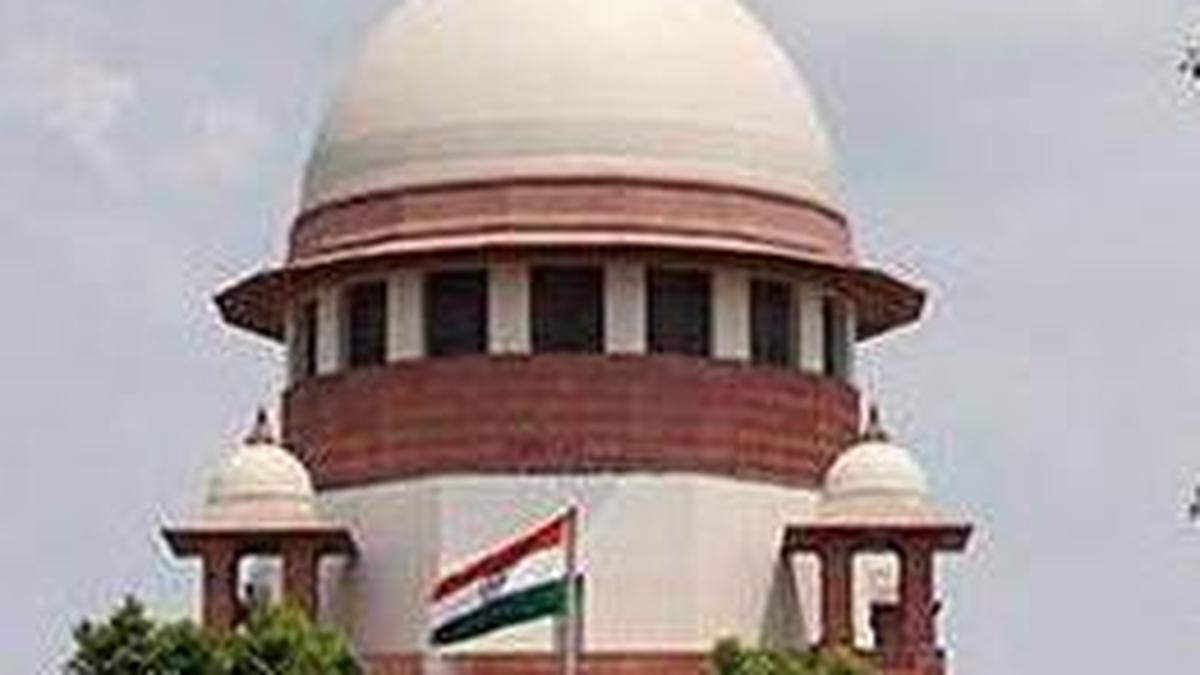
The Supreme Court has stayed a Madras High Court order that sought to appoint a board to manage the Chidambaram Sabanayagar Temple. The apex court is now examining the legal scope of 'parens patriae' jurisdiction regarding religious institutions across different faiths.
Legal Intervention in Chidambaram Temple Governance
On November 4, 2026, the Supreme Court of India intervened in a long-standing dispute regarding the administration of the ancient Chidambaram Sabanayagar Temple in Tamil Nadu. A Bench comprising Justices Aravind Kumar and Vipul M. Pancholi stayed the October 30 order of the Madras High Court, which had sought to establish a Board of Management to oversee the temple's operations. This stay provides a significant reprieve for the Podhu Dikshidar, the hereditary community of priests who have managed the temple since the Supreme Court's 2014 mandate.
The Question of Parens Patriae Jurisdiction
The most critical aspect of the Supreme Court's scrutiny involves the doctrine of parens patriae, or the 'state as parent.' The Bench raised fundamental questions regarding whether State High Courts possess the authority to exercise this guardian jurisdiction exclusively over public temples, or if such powers should be applied uniformly across places of worship belonging to other faiths. This query suggests that the court is looking to define the boundaries of judicial oversight regarding religious institutions to ensure parity and constitutional consistency.
Historical Conflict and Administrative Claims
The Madras High Court’s initial order was prompted by allegations of maladministration against the Podhu Dikshidar. The High Court had appointed retired judges V. Bharathidasan and R. Suresh Kumar to oversee the temple's administration, citing a need to restore the temple 'back to glory.' The Podhu Dikshidar, however, challenged this intervention, arguing that their hereditary rights and the 2014 Supreme Court ruling granted them the legitimacy to manage the temple’s affairs without state-appointed boards.
Broader Implications for Religious Institutions
This case highlights the ongoing tension between state regulation of religious institutions and the autonomy of hereditary religious communities. By challenging the High Court’s ability to unilaterally appoint management boards, the Supreme Court is addressing a broader debate on the extent to which secular courts should intervene in the internal governance of temples. The outcome of this case could set a vital precedent for how temple administration is handled across India, potentially impacting the balance of power between state authorities and religious trusts.
Future Trends in Judicial Oversight
As the Supreme Court continues to examine the notice issued to the State of Tamil Nadu, the legal community will be watching closely for a definitive ruling on the scope of judicial intervention. If the court determines that parens patriae jurisdiction must be applied equitably or restricted in specific ways, it could fundamentally alter the legal landscape for thousands of religious institutions nationwide. This case serves as a reminder of the intricate interplay between constitutional law, state policy, and traditional religious practices in India.
Multiple Citing Sources
Verification Required?