Corruption allegations without credible evidence can ‘tarnish’ reputation of judicial officers, SC says
Source Entity
India Latest News: Top National Headlines Today & Breaking News | The Hindu
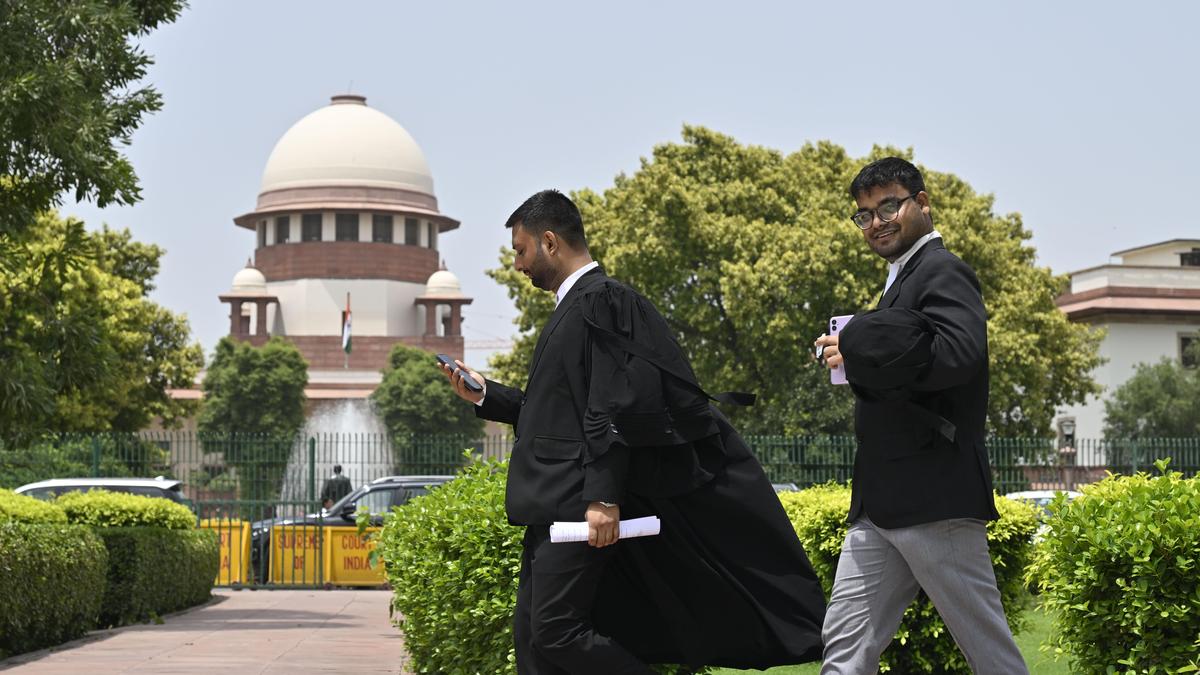
The Supreme Court has warned that baseless corruption allegations against judges can irreparably damage their reputations. This observation came during the hearing of a plea by activist Gulshan Pahuja, who faces imprisonment for criminal contempt.
The Integrity of the Judiciary and the Peril of Unsubstantiated Allegations
On July 20, 2026, the Supreme Court of India issued a stern cautionary note regarding the rising trend of levelling corruption allegations against judicial officers without credible evidence. During a hearing involving activist Gulshan Pahuja, a Bench comprising Justices Dipankar Datta and Sheel Nagu underscored the catastrophic potential of digital discourse to dismantle the reputation of a judge. This intervention highlights a growing friction between the freedom of expression and the necessity of protecting the sanctity of the judicial institution.
The Case of Gulshan Pahuja
The court's observations were made in the context of a plea filed by Gulshan Pahuja, who sought an extension of time to surrender following a conviction for criminal contempt. Pahuja had been sentenced to six months of imprisonment for producing and disseminating derogatory videos targeting judicial officers. The High Court had previously denied his request for a timeline extension, prompting him to move the apex court. Despite expressing personal sympathies, the Bench remained firm that the legal process cannot be utilized to shield individuals who cast aspersions on the judiciary without a foundation of truth.
The Impact of Social Media Virality
A central theme of the court's commentary was the speed and reach of social media. In an era where digital content can go viral within minutes, the bench noted that unsubstantiated claims of corruption serve to "tarnish" a judge's career in ways that are often irreparable. Unlike traditional defamation, the digital footprint of a false allegation is difficult to scrub, potentially creating a lasting cloud of suspicion over a judicial officer’s professional record, regardless of the eventual outcome of the accusations.
Accountability vs. Malicious Campaigning
The judiciary has historically maintained that while the public has a right to criticize the functioning of the courts, such criticism must be grounded in facts and evidence. The Supreme Court's stance reflects a broader protective measure for judicial independence. If judges were to operate under the constant threat of baseless, viral corruption allegations, the fear of public backlash could inadvertently influence judicial temperament and decision-making, thereby undermining the rule of law.
Legal Precedents and Future Trends
This case serves as a critical reminder of the thin line between transparency and harassment. By reinforcing the standard that charges of corruption must be supported by credible evidence, the Supreme Court is setting a high bar for those who utilize digital platforms to influence public perception of the judiciary. Future trends suggest that the courts may continue to adopt a zero-tolerance policy toward contemptuous behavior that threatens to erode the public's trust in the legal system.
Conclusion
In conclusion, the Supreme Court’s observations in the Pahuja case emphasize that the protection of judicial reputation is not merely about shielding individuals, but about preserving the integrity of the institution itself. As the digital landscape continues to evolve, the judiciary is clearly signaling that it will defend its officers against malicious, unsubstantiated attacks, ensuring that accountability is pursued through due process rather than public vilification.
Verification Required?