Surviving "The Graduate"
Source Entity
Hacker News
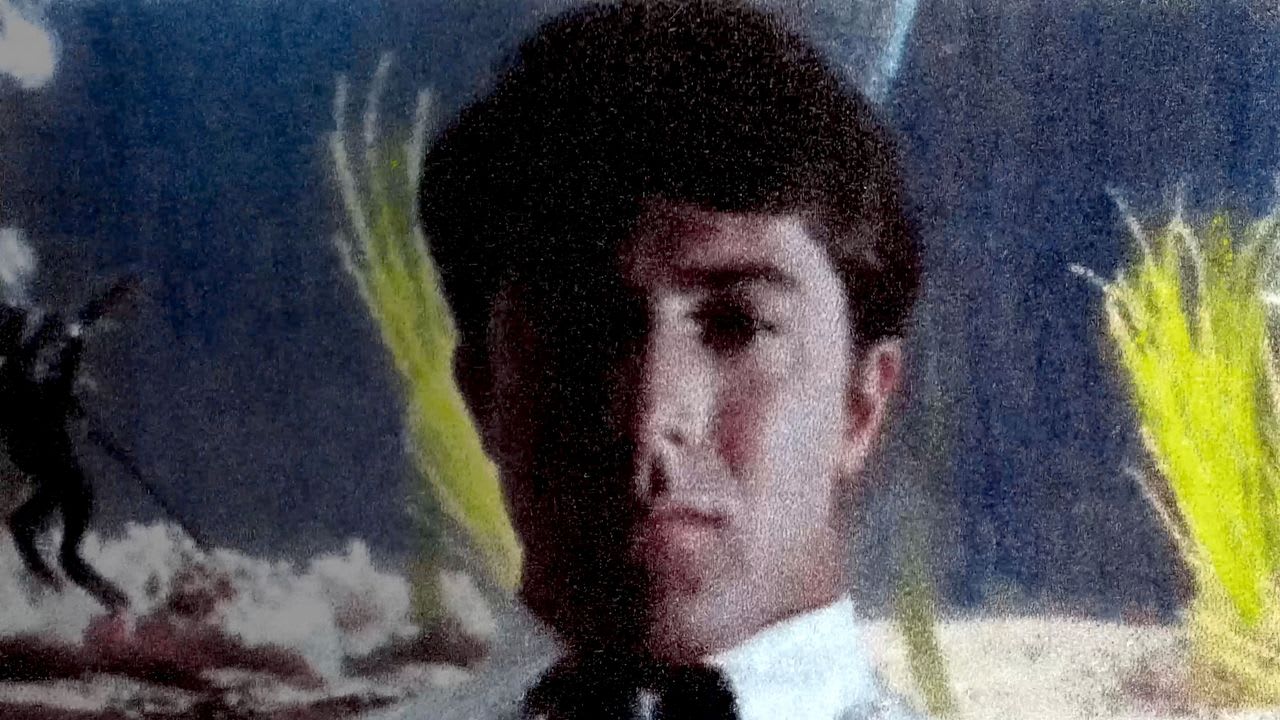
This narrative explores the casting process of the iconic film 'The Graduate,' highlighting the internal conflict of the lead actor regarding his suitability for the role. It reflects on director Mike Nichols' persuasive approach and the cultural perceptions of identity in 1960s Hollywood.
The Casting Conundrum of a Cinematic Classic
The production of the 1967 cinematic landmark The Graduate remains a fascinating case study in artistic intuition and the complexities of casting. At the center of this narrative is the interaction between director Mike Nichols and his lead actor, who expressed profound hesitation regarding his suitability for the role of Benjamin Braddock. The actor’s reluctance was rooted in a deep-seated concern that he did not possess the physical or cultural archetype—specifically the 'six-foot gentile' persona—that he believed the character demanded.
The Shadow of Established Success
Mike Nichols entered this project with considerable momentum. His debut feature, Who’s Afraid of Virginia Woolf?, had secured thirteen Academy Award nominations, establishing him as a directorial force capable of balancing raw emotion with technical precision. Furthermore, Nichols’ pedigree in Broadway theater, including his acclaimed direction of Barefoot in the Park, and his legendary comedy partnership with Elaine May, positioned him as a visionary who understood the nuance of timing and character. Despite this, the lead actor remained skeptical of Nichols’ vision for him.
Identity and the Cultural Archetype
The actor’s resistance was not merely a matter of self-doubt; it was an engagement with the prevailing cultural standards of the era. By pointing to a Time magazine cover featuring a quintessential 'handsome, blond, athletic' American youth, the actor highlighted the specific, idealized image of the 'Twenty-five and Under' demographic in the mid-1960s. He felt his own identity, explicitly cited as being Jewish, stood in stark contrast to the visual shorthand for the American collegiate experience that the film aimed to capture.
Nichols’ Persuasive Directorial Style
Nichols’ response to this hesitation is telling. Rather than dismissing the actor's concerns, he challenged the premise of the actor's logic. When asked who would be 'right' for the part, the actor’s deflection toward the Time magazine cover served as a catalyst for a pivotal conversation. Nichols’ insistence on questioning the actor’s internalized limitations demonstrates the collaborative, often confrontational nature of their working relationship, which ultimately shaped the film's unique, authentic tone.
Legacy and Artistic Authenticity
Looking back, this interaction underscores the broader implications of casting against type. The tension between the actor's perception of his own background and the director's vision likely contributed to the film's lasting impact. By refusing to conform to a homogenous image of 'American youth,' the production avoided the pitfalls of generic casting. Instead, the film captured a sense of alienation and displacement that resonated deeply with the era's counter-cultural shift.
Concluding Reflections
Ultimately, the casting of The Graduate serves as a lesson in the importance of directorial conviction. Mike Nichols successfully navigated the actor’s insecurities, proving that the essence of a character is often found in the subversion of expectations rather than the fulfillment of stereotypes. The film’s enduring success is a testament to the fact that artistic truth often requires looking past the surface to find a deeper, more resonant connection to the material.